
Blue Pea Flower: Nature’s Magical Blue Elixir for Wellness and Beauty

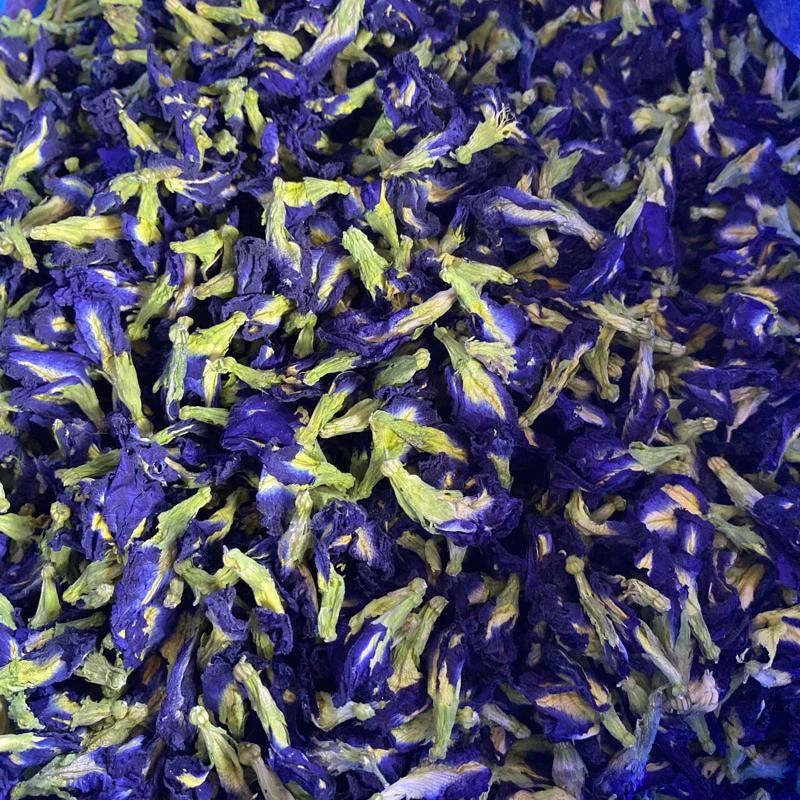
Have you ever watched a drink change colors right before your eyes? The blue pea flower isn’t just another herbal tea—it’s a centuries-old wellness secret that transforms from deep sapphire blue to vibrant purple with a simple squeeze of lemon. This stunning flower has captivated traditional healers in Southeast Asia for generations, and modern science is finally catching up to what ancient practitioners always knew.
Whether you’re seeking better brain function, glowing skin, or simply a caffeine-free ritual that delights your senses, this comprehensive guide reveals everything you need to know about the butterfly pea flower and why it deserves a permanent place in your wellness routine.
What is Blue Pea Flower?
Blue pea flower, scientifically known as Clitoria ternatea, is a climbing plant native to Southeast Asia, particularly Thailand, Malaysia, and Indonesia. Also called butterfly pea, Asian pigeonwings, or Aparajita (meaning “unconquered” in Sanskrit), this vibrant indigo flower belongs to the legume family and has been treasured in Ayurvedic and traditional Thai medicine for centuries.
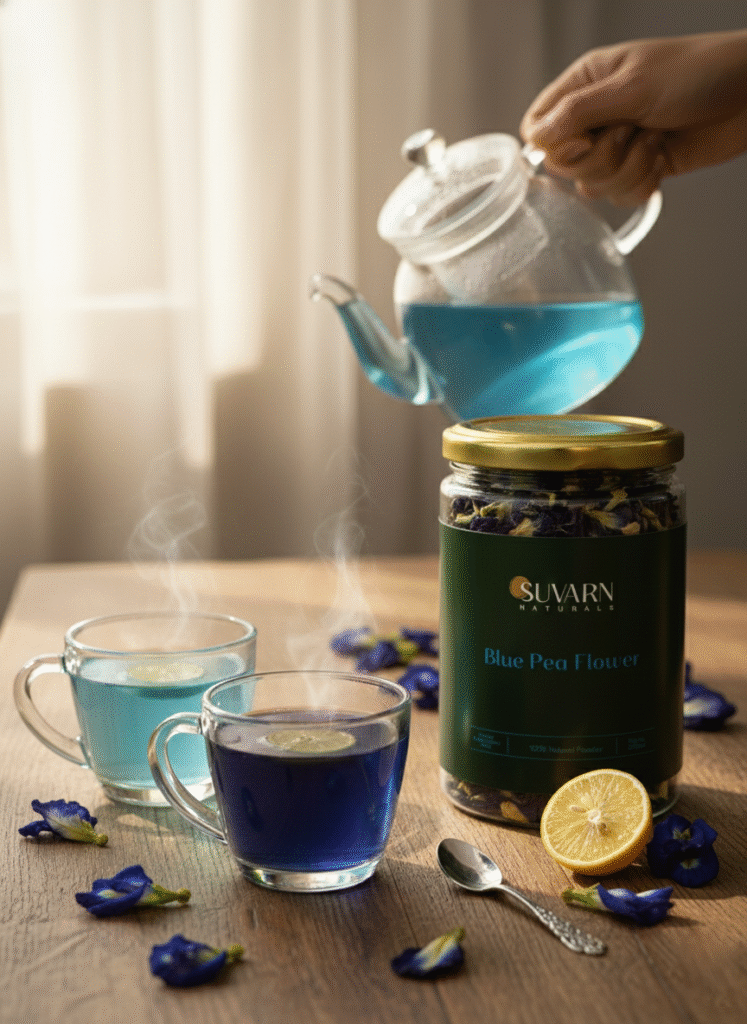
The flower’s most striking feature is its vivid blue color, created by powerful antioxidant compounds called anthocyanins—specifically ternatins. These are the same beneficial compounds found in blueberries and blackberries, but in even higher concentrations. When steeped in hot water, blue pea flower creates a naturally caffeine-free herbal tea with an earthy, subtly floral flavor that’s gentler and sweeter than green tea.
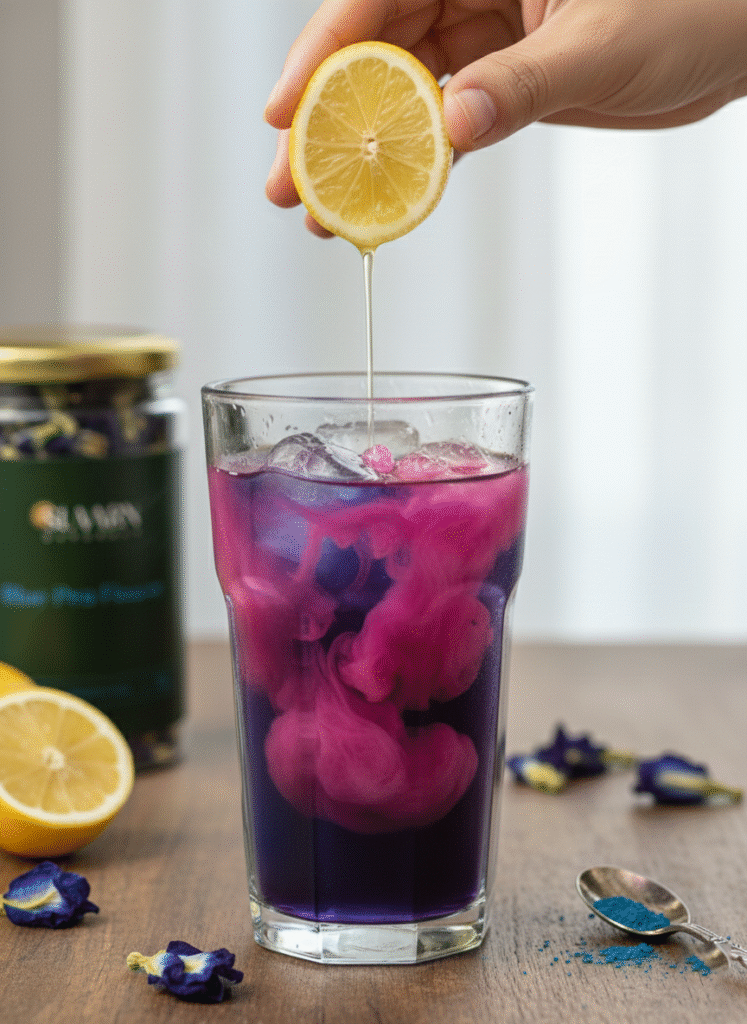
What makes this flower truly magical is its pH-sensitive properties. Add a squeeze of lemon or lime, and the blue liquid instantly transforms into brilliant purple or pink. This color-changing spectacle isn’t just visually stunning—it’s chemistry in action, making blue pea flower tea an educational delight for children and adults alike.
The Science-Backed Benefits of Blue Pea Flower
Powerful Antioxidant Protection
Blue pea flower is loaded with anthocyanins, particularly ternatins, which rank among nature’s most potent antioxidants. These compounds actively neutralize harmful free radicals in your body—unstable molecules that contribute to premature aging, cellular damage, and chronic diseases.
Research demonstrates that these antioxidants help combat oxidative stress, which plays a role in everything from wrinkles and sagging skin to serious health conditions. By including blue pea flower in your daily routine, you’re giving your cells extra protection against environmental stressors like pollution, UV radiation, and even the natural aging process.
The flower also contains kaempferol, quercetin, and other flavonoids that work synergistically to boost your overall antioxidant defense system.
Enhances Brain Function and Memory
One of the most celebrated benefits in traditional Ayurvedic medicine is blue pea flower’s ability to support cognitive health. Studies on animals suggest that regular consumption may increase levels of acetylcholine, a crucial neurotransmitter involved in learning, memory formation, and mental clarity.
The flower’s bioactive compounds may help improve blood circulation to the brain, potentially enhancing focus, alertness, and reaction time without the jittery effects of caffeine. Some research indicates it could even offer neuroprotective benefits, helping to reduce age-related memory decline.
Unlike stimulants that can cause crashes and anxiety, blue pea flower works gently to promote mental sharpness while simultaneously calming the nervous system—a unique combination that makes it ideal for students, professionals, and anyone seeking better cognitive performance.
Promotes Radiant Skin and Healthy Hair
Blue pea flower has earned its place in beauty routines across Asia for good reason. Its rich antioxidant profile actively fights the free radicals responsible for wrinkles, fine lines, and premature aging. According to a 2021 study, topical application of butterfly pea extract increased skin hydration by an impressive 70% just one hour after use.
The flower’s anti-inflammatory properties help soothe irritated skin, reduce redness, and promote an even complexion. Many skincare enthusiasts incorporate blue pea flower into face masks, toners, and serums to harness these beautifying benefits.
For hair health, the flower nourishes follicles and may promote growth while reducing hair fall. A 2024 study found that shampoos containing 20% butterfly pea extract helped reduce dandruff severity with minimal side effects, likely due to its effects on sebum management and its antimicrobial properties.
Supports Healthy Blood Sugar Levels
Preliminary research suggests that blue pea flower may help stabilize blood sugar levels. Studies indicate that consuming butterfly pea flower extract with meals may reduce post-meal spikes in blood glucose and insulin levels compared to meals without it.
The flower appears to influence how your body absorbs sugar from the bloodstream, potentially making it a valuable addition to a balanced diet for those concerned about blood sugar management. While it’s not a replacement for medication, it could serve as a supportive tool when combined with proper nutrition and medical guidance.
Aids Weight Management Naturally
Some research points to blue pea flower’s potential role in supporting healthy weight management. Test-tube studies have found that extracts may slow the formation of new fat cells by regulating specific cellular pathways involved in adipogenesis (fat cell development).
The flower’s ternatins may also help inhibit new fat synthesis. Additionally, some users report that blue pea flower tea acts as a natural appetite suppressant, helping them feel more satisfied and reducing cravings throughout the day.
When combined with a balanced diet and regular physical activity, blue pea flower tea offers a natural, caffeine-free way to support your wellness goals.
Promotes Heart and Eye Health
The anthocyanins in blue pea flower may benefit cardiovascular health by helping reduce inflammation and supporting healthy cholesterol levels. Some studies suggest the extract may help regulate blood pressure and improve blood lipid profiles after meals.
For your eyes, the flower’s antioxidants—particularly proanthocyanidins—may protect against oxidative stress caused by blue light exposure from screens. This could help reduce eye fatigue and support long-term vision health in our screen-heavy modern world.
Natural Stress Relief and Better Sleep
Unlike caffeinated teas that can leave you wired, blue pea flower provides gentle relaxation. Its natural calming properties help ease tension and promote emotional balance without causing drowsiness during the day.
The flower’s compounds appear to modulate stress responses by reducing oxidative stress and supporting neurotransmitter balance. Many people enjoy a cup in the evening as part of their wind-down ritual, finding it helps them transition into restful sleep more easily.
Supports Digestive Wellness
Traditional medicine has long valued blue pea flower for soothing digestive discomfort. The tea’s anti-inflammatory and antioxidant properties may help calm stomach muscles, reduce bloating, and support healthy digestion.
Its gentle diuretic properties can help flush toxins from your system, while its antimicrobial effects may support a healthy gut environment. Some practitioners also note its traditional use as an anthelmintic, helping prevent intestinal parasites.
How Blue Pea Flower Works: The Science Behind the Magic
The blue pea flower’s impressive benefits come from its unique phytochemical profile. At the heart of its magic are ternatins—specialized anthocyanin compounds that give the flower its signature blue color and potent antioxidant activity.
These ternatins are polyacylated derivatives of delphinidin 3,3′,5′-triglucoside, which is scientific speak for saying they’re exceptionally stable and powerful antioxidants. When you consume blue pea flower tea, these compounds are absorbed into your bloodstream where they go to work neutralizing free radicals throughout your body.
The flower also contains cyclotides—cyclic peptides with a unique cystine knot structure that makes them remarkably stable and bioactive. These contribute to the flower’s antimicrobial and insecticidal properties (which is why the plant thrives so well in nature).
The pH-sensitive color change occurs because anthocyanins act as natural pH indicators. In neutral or alkaline solutions, they appear blue. When acid is introduced (lowering the pH), the molecular structure shifts, changing the wavelength of light they reflect and turning the liquid purple or pink. This same chemistry that creates visual magic also enhances the bioavailability of certain nutrients when you add citrus.
Who Should Use Blue Pea Flower?
Blue pea flower is ideal for a wide range of people seeking natural wellness support:
Health-Conscious Individuals looking for caffeine-free alternatives to coffee and energy drinks will appreciate the gentle focus and sustained energy without crashes or jitters.
Students and Professionals who need mental clarity and concentration but want to avoid overstimulation can benefit from the flower’s cognitive-enhancing properties.
Those Managing Stress and Anxiety will find the natural calming effects help promote emotional balance and relaxation without sedation.
People Focused on Anti-Aging and skincare can harness the powerful antioxidants both internally through tea and externally in beauty routines.
Individuals Monitoring Blood Sugar may find the flower helpful as part of a comprehensive approach to maintaining healthy glucose levels (always consult your healthcare provider).
Anyone Seeking Better Sleep Quality can incorporate evening blue pea flower tea into their nighttime routine for natural relaxation.
Creative Enthusiasts and Social Hosts love using the color-changing properties to create stunning beverages and foods that wow guests.
Children (with parental supervision) can safely enjoy diluted blue pea flower tea and learn about natural chemistry through its color-changing magic.
How to Use Blue Pea Flower: Step-by-Step Guide
Making Traditional Blue Pea Flower Tea (Hot)
Ingredients:
- 1 teaspoon (4-5 grams) dried blue pea flowers or 8-10 fresh flowers
- 1 cup (240 ml) boiling water
- Optional: honey, lemon, lime, mint leaves
Method:
- Prepare Your Flowers: If using fresh flowers, remove the green stems by pinching them off (they can make tea bitter). Dried flowers can be used as-is.
- Boil Water: Heat water until it reaches a rolling boil, then remove from heat and let it cool for about 30 seconds to just below boiling (around 200°F/93°C).
- Steep the Tea: Place flowers in a tea strainer or directly in your cup. Pour hot water over the flowers. Cover with a plate or lid to trap heat and essential compounds.
- Wait and Watch: Steep for 5-8 minutes. You’ll see the water gradually transform into a deep, rich blue. Don’t over-steep beyond 10 minutes or the flavor may become too strong.
- Strain and Serve: Remove flowers and enjoy your blue tea hot. Add honey for sweetness if desired.
- Create the Color Change: Squeeze fresh lemon or lime juice into your tea and watch it transform from blue to purple before your eyes!
Making Iced Blue Pea Flower Tea
Method:
- Follow steps 1-4 above to create a concentrated blue tea
- Let the tea cool to room temperature
- Transfer to a pitcher and refrigerate for 2-3 hours
- Serve over ice, adding lemon juice for the purple transformation
- Garnish with fresh mint, berries, or citrus slices
Pro Tips:
- For a stronger color, use more flowers or steep longer
- Make ice cubes from blue pea flower tea to add to any beverage without dilution
- Add a splash of coconut milk for a beautiful layered effect
Creative Ways to Use Blue Pea Flower
Blue Pea Flowerhttps://www.healthline.com/nutrition/butterfly-pea-flower-benefits Latte Whisk blue pea flower powder (or concentrated tea) with steamed milk of your choice (dairy, almond, oat, or coconut work beautifully). Sweeten with honey or maple syrup. The result is a stunning blue latte that rivals any café creation.
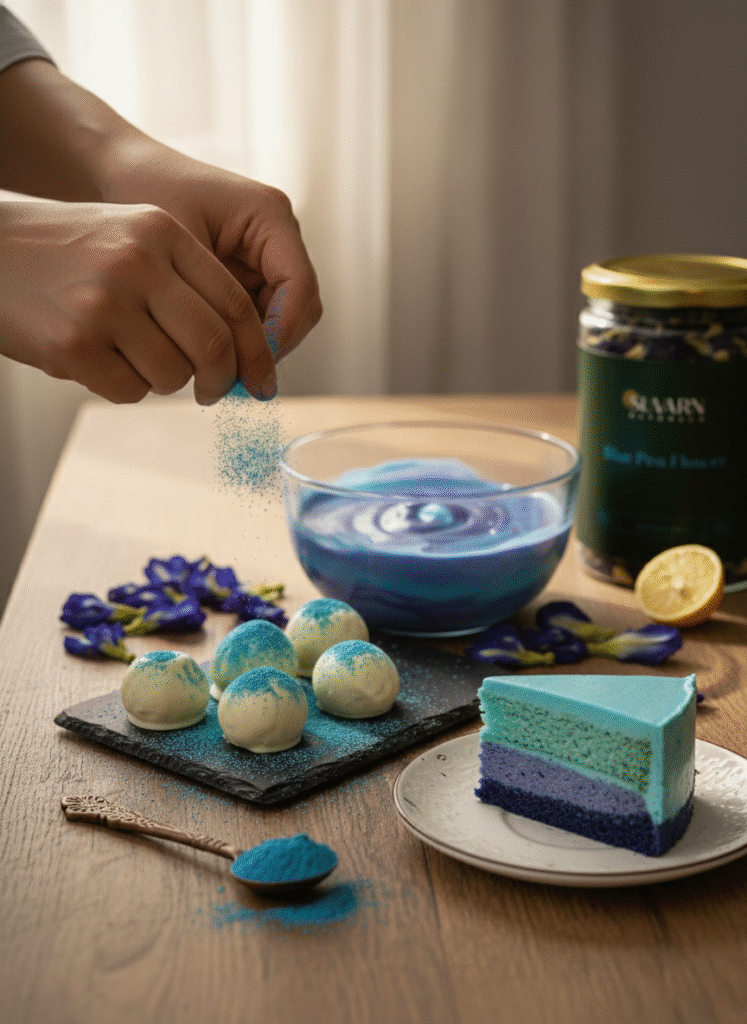
Natural Food Coloring Use concentrated blue pea flower tea or powder to color:
- Rice dishes (like Malaysian Nasi Kerabu)
- Desserts (cakes, cookies, frosting, icing)
- Smoothie bowls
- Pancakes and waffles
- Dumplings and baked goods
Cocktails and Mocktails Create show-stopping color-changing drinks by adding blue pea flower tea to lemonade, sparkling water, or your favorite spirits. The color transformation makes for incredible party entertainment.
Beauty Applications Add cooled blue pea flower tea to:
- Face masks (mix with honey and yogurt)
- Hair rinses (for shine and strength)
- Toners (apply with cotton pad)
- Bath soaks (add 1-2 cups of concentrated tea)
Proper Dosage and Best Practices
Daily Consumption: For most healthy adults, 1-3 cups of blue pea flower tea per day is considered safe and beneficial. Start with one cup to assess your body’s response.
Timing: Enjoy blue pea flower tea any time of day. Morning consumption may support focus and energy, while evening enjoyment promotes relaxation and better sleep quality.
Brewing Strength: Adjust the number of flowers to your preference—use fewer for a lighter taste and color, more for a bolder experience. Generally, 1 teaspoon of dried flowers per 8 ounces of water is a good starting point.
Storage: Keep dried blue pea flowers in an airtight container away from heat, light, and moisture. Properly stored, they maintain their potency and vibrant color for up to 12 months.
Quality Matters: Choose organic, pesticide-free blue pea flowers from reputable sources like Suvarn Naturals to ensure you’re getting the highest quality product without contaminants.
Side Effects and Precautions
Blue pea flower is generally safe for most people when consumed in moderate amounts, but it’s important to be aware of potential considerations:
Mild Digestive Effects
Some individuals may experience mild digestive discomfort, nausea, or stomach upset when consuming large quantities. Start with small amounts and gradually increase to find your comfortable level.
Blood Pressure Considerations
Blue pea flower may have mild blood pressure-lowering effects. If you already have low blood pressure or take blood pressure medications, consult your healthcare provider before regular use.
Blood Sugar Interactions
Since blue pea flower may influence blood glucose levels, individuals with diabetes or those taking anti-diabetic medications should monitor their levels closely and inform their doctor about consumption.
Pregnancy and Breastfeeding
There is insufficient research on the safety of blue pea flower during pregnancy and lactation. Out of an abundance of caution, pregnant and nursing mothers should avoid consumption or use only under medical supervision.
Allergic Reactions
While rare, some people may develop allergic reactions such as skin rashes, itching, or digestive upset. Those with known allergies to legumes (pea family) should exercise extra caution.
Medication Interactions
Blue pea flower may interact with certain medications, particularly those affecting blood sugar, blood pressure, or blood thinning. Always inform your healthcare provider about any herbal supplements you’re taking.
General Safety Tips:
- Start with small amounts to test tolerance
- Stick to moderate consumption (1-3 cups daily)
- Choose high-quality, organic products
- Don’t exceed recommended amounts
- Discontinue use if adverse effects occur
- Always consult a healthcare professional if you have underlying health conditions
Blue Pea Flower vs Other Popular Herbal Teas
Blue Pea Flower vs Green Matcha
Origin and Processing: Green matcha comes from shade-grown Camellia sinensis tea leaves that are stone-ground into powder. Blue pea flower (sometimes called “blue matcha”) comes from ground butterfly pea flower petals—a completely different plant.
Caffeine Content: Green matcha contains 25-70mg of caffeine per serving, providing gentle stimulation. Blue pea flower is completely caffeine-free, making it perfect for evening consumption or those avoiding stimulants.
Flavor Profile: Green matcha has a distinct earthy, slightly grassy taste with umami notes. Blue pea flower is milder, sweeter, and more subtly floral—closer to chamomile in gentleness.
Health Benefits: Both are antioxidant powerhouses, but they work differently. Matcha provides L-theanine for calm focus with caffeine, while blue pea flower offers acetylcholine support for memory without stimulation.
Color: Matcha produces a vibrant green color that stays consistent. Blue pea flower creates mesmerizing blue liquid that changes to purple with acid.
Best For: Choose matcha for energizing morning rituals and L-theanine benefits. Choose blue pea flower for relaxation, evening consumption, or when you want visual drama without caffeine.
Blue Pea Flower vs Chamomile
Calming Effects: Both promote relaxation, but through different mechanisms. Chamomile contains apigenin that binds to certain receptors in your brain. Blue pea flower works through antioxidant activity and stress modulation.
Additional Benefits: Chamomile excels at digestive support and sleep promotion. Blue pea flower offers broader benefits including cognitive enhancement, skin health, and blood sugar support.
Taste: Chamomile has a distinctive sweet, apple-like flavor. Blue pea flower is more neutral and earthy.
Visual Appeal: Chamomile tea is pale yellow. Blue pea flower creates stunning blue beverages that can transform colors.
Why Choose Suvarn Naturals Blue Pea Flower?
Not all blue pea flower products are created equal. At Suvarn Naturals, we understand that quality matters when it comes to your health and wellness. Our blue pea flowers are:
- 100% Organic and Natural: Grown without pesticides, chemicals, or artificial additives
- Sustainably Sourced: Harvested from eco-friendly farms that support local communities
- Lab-Tested for Purity: Rigorously tested to ensure you receive only the finest quality
- Vibrantly Colored: Deep blue hue indicates high anthocyanin content and maximum potency
- Carefully Processed: Dried using traditional methods that preserve beneficial compounds
- Versatile: Perfect for tea, cooking, beauty applications, and creative projects
Have you ever wondered why roses have been treasured in beauty rituals for thousands of years? From Cleopatra’s legendary rose
Frequently Asked Questions (FAQs)
Can I drink blue pea flower tea every day?
Yes, daily consumption is generally safe for most healthy adults. Stick to 1-3 cups per day and listen to your body. The tea is caffeine-free, so you can enjoy it morning, noon, or night.
Why does blue pea flower change color?
The anthocyanins in blue pea flower are pH-sensitive natural indicators. They appear blue in neutral or alkaline solutions and turn purple or pink when exposed to acids like lemon juice. The molecular structure changes based on pH, affecting how light reflects off the compounds
How long does blue pea flower tea last?
Freshly brewed tea keeps in the refrigerator for 2-3 days. Store dried flowers in an airtight container in a cool, dark place for up to 12 months to maintain potency.
Can rose petal powder remove dark circles?
Rose petal powder can help reduce dark circles caused by stress, poor circulation, or fatigue due to its anti-inflammatory properties and vitamin K content. However, genetic dark circles or those caused by hyperpigmentation require more targeted treatments. Apply gently around the eye area mixed with almond oil for best results.
Can blue pea flower help with weight loss?
While blue pea flower may support weight management through its effects on fat cell formation and potential appetite suppression, it’s not a magic weight loss solution. Combine it with a balanced diet and regular exercise for best results.
Is blue pea flower safe for children?
Yes, in moderation. Blue pea flower tea is caffeine-free and generally safe for children. Many parents dilute it and use the color-changing properties as an educational tool. Always supervise young children and start with small amounts.
What does blue pea flower tea taste like?
The taste is mild, earthy, and subtly floral—similar to chamomile but lighter. It’s much gentler than green tea, without bitterness or astringency. Many people describe it as smooth and slightly sweet.
Can I use blue pea flower while pregnant?
There’s insufficient safety data for pregnancy and breastfeeding. It’s best to avoid or consult your obstetrician or midwife before use during these sensitive periods.
Does blue pea flower interact with medications?
Potentially, yes. It may interact with diabetes medications, blood pressure drugs, and blood thinners. Always inform your healthcare provider about herbal supplements you’re taking, especially if you’re on prescription medications.
How is blue pea flower different from regular tea?
True “tea” comes from the Camellia sinensis plant (green, black, white, oolong tea). Blue pea flower is an herbal infusion or tisane, not technically tea. It’s naturally caffeine-free and offers different benefits than traditional tea.
Can I use fresh blue pea flowers instead of dried?
Absolutely! Fresh flowers work beautifully. Use about 8-10 fresh flowers per cup of tea. Just remember to remove the green stems, as they can impart bitterness.
Where can I buy high-quality blue pea flowers?
Look for reputable herbal brands like Suvarn Naturals that offer organic, sustainably sourced products. Check ingredient lists to ensure you’re getting pure blue pea flowers without fillers or additives.
Can I apply blue pea flower topically?
Yes! Cooled blue pea flower tea can be used as a toner, added to face masks, or used as a hair rinse. The antioxidants provide benefits for skin hydration and hair health when applied externally.
Your Path to Natural Wellness Starts Here
Blue pea flower represents the perfect fusion of ancient wisdom and modern wellness. This stunning flower offers far more than its Instagram-worthy appearance—it’s a genuine superfood packed with antioxidants, cognitive enhancers, and beauty-boosting compounds that have stood the test of time.
Whether you’re seeking mental clarity without caffeine, radiant skin, natural stress relief, or simply a delightful ritual that brings joy to your day, blue pea flower delivers. Its versatility means you can enjoy it as a hot tea, iced beverage, latte, food coloring, or beauty treatment—the possibilities are as limitless as your creativity.
At Suvarn Naturals, we’re committed to bringing you the highest quality herbal products that honor both tradition and science. Our blue pea flowers are carefully sourced, rigorously tested, and sustainably harvested to ensure you receive nature’s best in every cup.
Start your blue pea flower journey today. Transform your wellness routine, delight your senses, and experience the magic that has captivated healers and health enthusiasts for centuries. Your body—and your Instagram feed—will thank you.
Ready to experience the blue pea flower difference? Explore our premium organic blue pea flowers and discover why thousands trust Suvarn Naturals for their herbal wellness needs.
Disclaimer: This article is for informational purposes only and is not intended to diagnose, treat, cure, or prevent any disease. Always consult with a qualified healthcare professional before starting any new herbal supplement, especially if you have existing health conditions, are pregnant, nursing, or taking medications. Individual results may vary.
