
How to Use Amla Powder for Hair Growth: Complete Evidence-Based Guide (2026)

If you’ve been watching your hairline recede or noticing more strands in your brush than usual, you’re not alone. Hair concerns affect millions of people worldwide, and the search for natural, effective solutions has never been more important.
Enter amla powder, an ancient Ayurvedic remedy that’s gaining serious attention in modern hair care circles. But here’s what matters most: does it actually work, and more importantly, are you using it correctly?
This comprehensive guide reveals everything you need to know about using amla powder for hair growth, backed by scientific research and practical experience. Whether you’re dealing with thinning hair, premature graying, or simply want healthier locks, you’ll discover actionable strategies that deliver real results.
What is Amla Powder and Why Does it Work for Hair Growth?
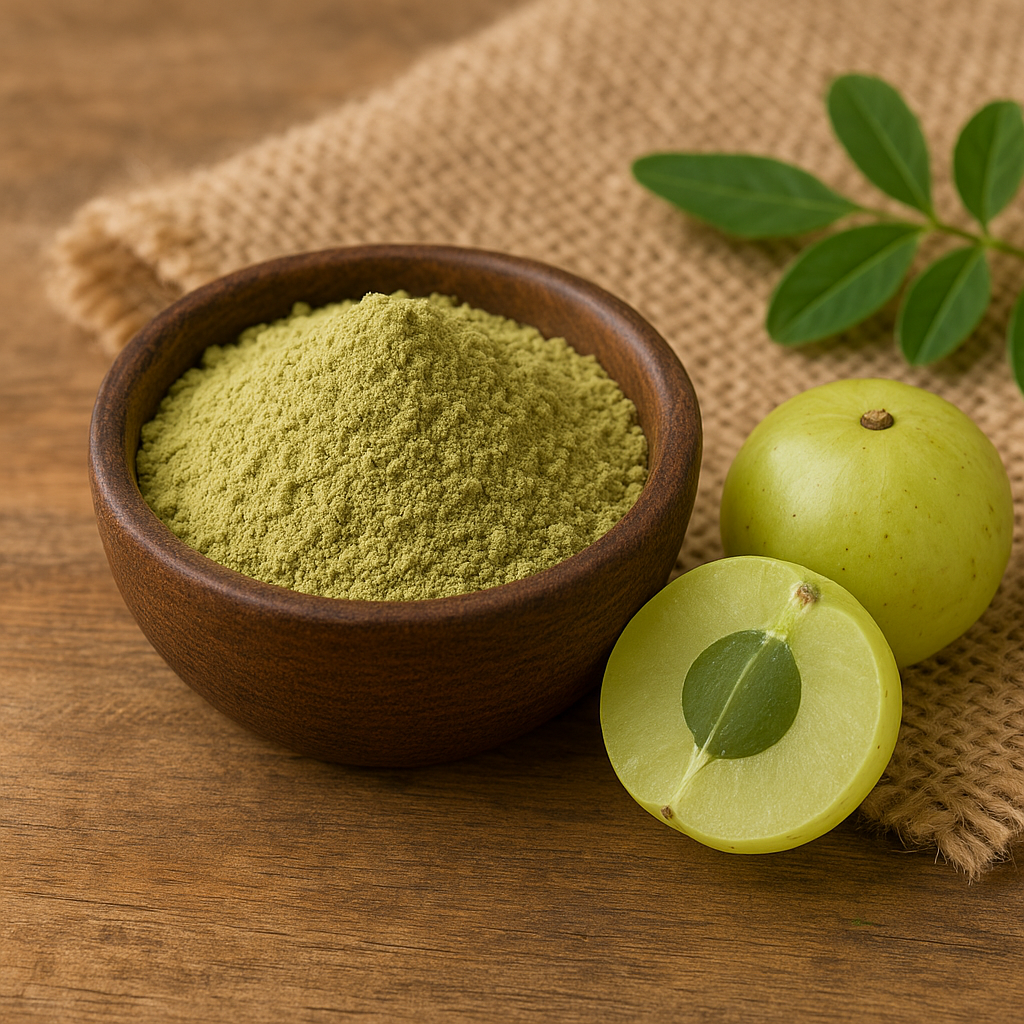
Amla powder comes from dried and ground Indian gooseberry (Phyllanthus emblica), a small, nutrient-dense fruit that’s been treasured in traditional medicine for over 3,000 years. Unlike synthetic hair products that mask problems temporarily, amla powder works at the cellular level to address the root causes of hair concerns.
The science behind amla’s effectiveness lies in its extraordinary nutritional profile. This humble powder contains nearly 20 times more vitamin C than oranges, along with powerful antioxidants, tannins, and essential minerals like calcium, iron, and phosphorus.
When applied to your scalp, these compounds don’t just sit on the surface. Research from clinical trials demonstrates that amla extract can inhibit the enzyme 5-alpha reductase, which is directly linked to hair loss patterns. A 2024 study published in the Journal of Ethnopharmacology found that women using amla syrup for 12 weeks experienced significantly improved anagen-to-telogen ratios, meaning more hair follicles entered the active growth phase.
What makes amla particularly interesting is how it compares to conventional treatments. Animal studies have shown that herbal formulations containing amla demonstrated hair growth effects comparable to minoxidil (the active ingredient in Rogaine), without the harsh side effects like scalp irritation or dependency issues.
7 Science-Backed Benefits of Amla Powder for Your Hair
Understanding what amla powder can do for your hair helps you set realistic expectations and measure your progress effectively.
Stimulates Faster Hair Growth
The vitamin C content in amla powder triggers collagen production in your scalp. Collagen forms the structural foundation that strengthens hair follicles and accelerates the growth phase. Studies indicate that consistent amla application can improve blood circulation to the scalp, delivering oxygen and nutrients that hair follicles need to thrive.
Most users report noticing stronger, more resilient hair within 2-3 weeks, with visible length improvements appearing after 6-8 weeks of regular use.
Reduces Hair Fall Significantly
Excessive hair shedding often stems from weakened follicles and oxidative stress. Amla’s potent antioxidants neutralize free radicals that damage hair cells at their core. The iron and carotene content specifically targets hair fall caused by nutritional deficiencies, environmental pollution, and chronic stress.
Clinical observations suggest that amla treatments can reduce daily hair loss by strengthening the hair shaft from root to tip.
Prevents Premature Graying
Gray hair appears when melanin production slows down, often accelerated by oxidative stress. Amla powder’s exceptional antioxidant properties combat this cellular damage while its natural pigmentation compounds help maintain your hair’s original color for longer.
The tannins in amla also act as natural astringents that help darken hair gradually, making it particularly valuable for those noticing early signs of graying.
Adds Natural Shine and Volume
Dull, lifeless hair is often a sign of damaged cuticles and moisture loss. Amla’s slightly acidic pH (around 3.5-4.0) helps seal hair cuticles, creating that coveted glossy finish naturally. Unlike silicone-based shine serums that build up over time, amla delivers sustainable results by improving your hair’s actual structure.
Regular amla treatments can make hair appear fuller and more voluminous without weighing it down.
Treats Dandruff and Scalp Conditions
A healthy scalp is the foundation of healthy hair growth. Amla powder possesses natural antibacterial and antifungal properties that address common scalp issues like dandruff, itching, and inflammation. Its cooling effect soothes irritated skin while balancing sebum production.
The vitamin C content also supports scalp cell regeneration, creating an optimal environment for new hair growth.
Strengthens Hair from Within
Weak, brittle hair that breaks easily needs structural reinforcement. Amla’s amino acids and essential fatty acids penetrate the hair shaft, fortifying it against mechanical damage from brushing, styling, and environmental stressors. This internal strengthening reduces split ends and breakage significantly.
Protects Against Environmental Damage
Urban living exposes your hair to pollution, UV radiation, and harsh chemicals daily. Amla’s antioxidant shield protects hair strands from these external aggressors while its nutritive properties help repair existing damage naturally.
How Amla Powder Works: The Science Behind the Benefits
Understanding the mechanism helps you appreciate why consistency matters with natural remedies.
Amla powder functions through multiple pathways simultaneously. The high vitamin C concentration drives collagen synthesis, which forms the structural framework of hair follicles. This protein matrix determines how strong and resilient your hair shafts will be.
At the scalp level, amla’s compounds improve microcirculation. Better blood flow means more nutrients and oxygen reaching hair follicles, directly impacting growth rate and hair quality. The polyphenols and flavonoids in amla act as powerful antioxidants, protecting cells from oxidative damage that leads to premature aging and hair loss.
In Ayurvedic terms, amla is classified as a “Rasayana” herb, meaning it rejuvenates the entire system while balancing the three doshas (Vata, Pitta, Kapha). This holistic approach explains why amla benefits extend beyond just hair to overall wellness.
Modern research confirms these traditional insights. Studies show that amla extracts can modulate inflammatory pathways in the scalp, reduce DHT levels (the hormone linked to pattern baldness), and even reactivate dormant hair follicles.
Who Should Use Amla Powder for Hair Growth?
Amla powder works effectively for most people, but certain situations benefit particularly well.
Ideal Candidates:
- Individuals experiencing gradual hair thinning or increased shedding
- Those noticing early signs of premature graying
- People with dry, damaged hair from chemical treatments or heat styling
- Anyone seeking natural alternatives to chemical hair products
- Those with dandruff or scalp sensitivity issues
- Individuals wanting to improve overall hair texture and shine
Consider Alternatives If:
- You have severe, sudden hair loss (consult a dermatologist first)
- You’re allergic to amla or have extremely sensitive skin
- You’re pregnant or nursing (consult your healthcare provider)
- You have active scalp infections or open wounds
The beauty of amla powder lies in its versatility. It works across all hair types, from straight to coily, though you may need to adjust application methods and carrier ingredients based on your specific hair texture.
How to Use Amla Powder for Hair Growth: Step-by-Step Methods
Success with amla powder depends on proper preparation and application. Here are the most effective methods, tested and refined over years of use.
Method 1: Basic Amla Hair Mask (Best for Beginners)
This simple yet powerful mask works for all hair types and concerns.
What You’ll Need:
- 2-3 tablespoons pure amla powder
- 4-6 tablespoons warm water (adjust for consistency)
- Mixing bowl (non-metallic)
- Application brush or gloves
Step-by-Step Instructions:
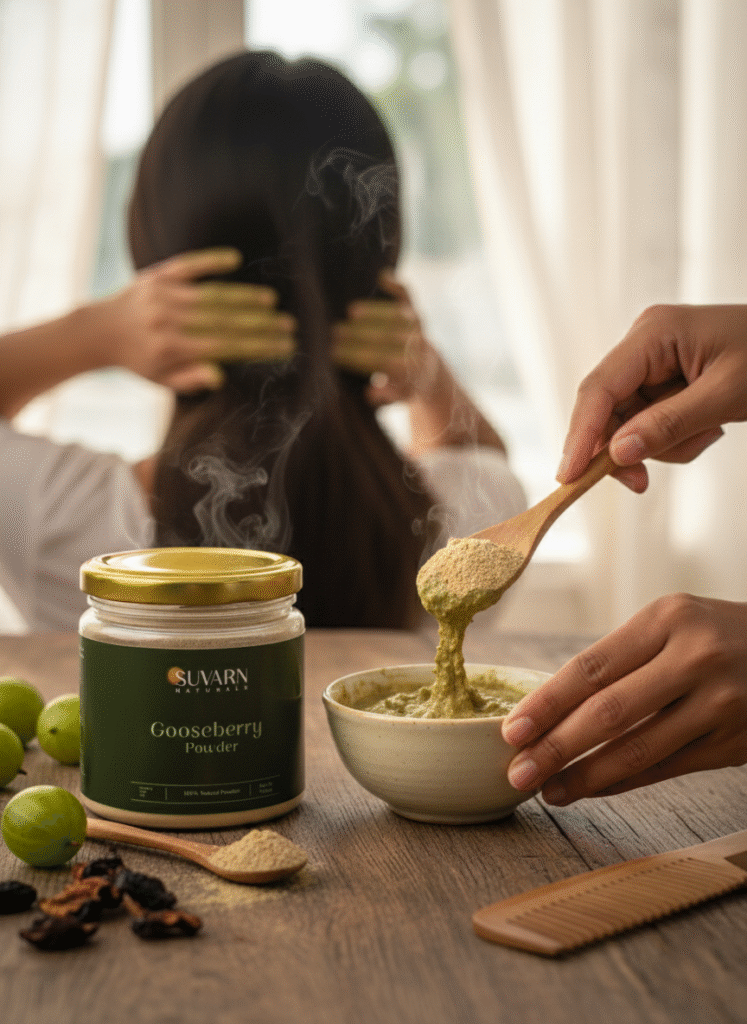
- Prepare the Paste: In your mixing bowl, add amla powder first. Gradually pour warm water while stirring continuously to avoid lumps. Aim for a smooth, yogurt-like consistency that spreads easily but doesn’t drip excessively.
- Pre-Treatment: For best results, apply the mask to slightly damp, freshly washed hair. This helps the nutrients penetrate more effectively.
- Section Your Hair: Divide your hair into 4-6 sections using clips. This ensures even application and prevents missing spots.
- Apply to Scalp First: Using your fingertips or an application brush, massage the paste directly onto your scalp in circular motions. Spend 5-10 minutes on this massage step as it stimulates blood flow.
- Coat the Hair Strands: Once your scalp is covered, work the remaining paste through the length of your hair, focusing on areas prone to dryness or damage.
- Timing is Crucial: Leave the mask on for 30-45 minutes. Don’t let it dry completely on your hair, as this can make rinsing difficult. If it starts to dry, lightly mist with water.
- Rinse Thoroughly: Use lukewarm water to rinse out the powder completely. Follow with a mild, sulfate-free shampoo if needed. Some powder residue is normal; a second rinse usually removes it.
- Frequency: Apply this mask 1-2 times weekly for optimal results.
Method 2: Amla Oil Treatment (For Deep Nourishment)
Oil-based treatments penetrate deeper and provide intensive conditioning.
Ingredients:
- 1 tablespoon amla powder
- 4-5 tablespoons coconut or olive oil
- Small saucepan
Process:
- Heat the oil in a saucepan over low heat until warm (not hot).
- Add amla powder and stir continuously for 3-5 minutes until the oil turns slightly brown and develops a musky aroma.
- Remove from heat immediately when small bubbles form.
- Cover and let steep for 24 hours at room temperature.
- Strain through a fine mesh or muslin cloth into a sterilized glass jar.
- Warm slightly before each use and massage into scalp for 10-15 minutes.
- Leave in for at least 1 hour or overnight for intensive treatment.
- Wash out with a gentle shampoo.
Pro Tip: Store your amla oil in a cool, dark place. It stays fresh for up to 2 months.
Method 3: Amla with Yogurt (For Dry, Damaged Hair)
This protein-rich combination repairs and moisturizes simultaneously.
Mix Together:
- 2 tablespoons amla powder
- 3 tablespoons plain yogurt (full-fat works best)
- 1 teaspoon honey (optional, for extra moisture)
Apply as in Method 1, leaving on for 30-40 minutes. The lactic acid in yogurt gently exfoliates the scalp while protein strengthens hair strands.
Method 4: Amla Hair Rinse (Quick Maintenance)
Perfect for busy schedules or as a weekly boost between deeper treatments.
Instructions:
- Boil 2 cups of water
- Add 1-2 tablespoons amla powder
- Let it steep until cool, then strain
- After shampooing, pour this rinse over your hair as a final step
- No need to rinse out
This method removes product buildup while delivering amla’s benefits quickly.
Method 5: Amla with Fenugreek (For Severe Hair Fall)
Combining amla with fenugreek seeds creates a powerful hair loss remedy.
Preparation:
- 2 tablespoons amla powder
- 1 tablespoon fenugreek powder
- Enough water to make a paste
Mix, apply, and leave for 45 minutes. Note that fenugreek makes the mixture runnier, so adjust consistency accordingly.
Important Dos and Don’ts for Using Amla Powder
DO:
- Always perform a patch test 24-48 hours before full application
- Use organic, pure amla powder without additives
- Dilute amla powder adequately to prevent dryness
- Massage your scalp gently to improve absorption
- Be consistent with your application schedule
- Rinse hair thoroughly to prevent residue buildup
- Store amla powder in an airtight container in a cool, dark place
- Combine with complementary ingredients like coconut oil or aloe vera
DON’T:
- Apply undiluted amla powder directly to your scalp
- Use metal bowls or spoons when mixing (can react with tannins)
- Leave the mask on until completely dry
- Apply to broken skin or active scalp infections
- Expect overnight results (natural remedies take time)
- Skip the patch test, even if you’ve used it before
- Use if you notice any allergic reactions
- Apply too frequently (2-3 times weekly maximum)
Side Effects and Precautions: What You Need to Know
While amla powder is generally safe, being informed about potential side effects helps you use it confidently.
Common Side Effects
Temporary Increased Shedding: Some users experience slightly more hair fall during the first 1-2 weeks. This actually signals that amla is working, pushing out weak, damaged hair to make room for healthier growth. This shedding should decrease after the adjustment period.
Mild Scalp Irritation: The acidic nature of amla can cause tingling, itching, or slight redness in people with sensitive scalps. Always dilute properly and reduce frequency if this occurs.
Dryness: Overuse or insufficient dilution can strip natural oils, leading to dry, brittle hair. Combat this by mixing amla with moisturizing ingredients like yogurt, aloe vera, or oils.
Color Changes: Light-colored or chemically-treated hair may develop a slight greenish or yellowish tint, though this typically washes out within a few shampoos.
Eye Irritation: If amla paste drips into your eyes, it can cause burning due to its high acidity. Rinse immediately with cool water if this happens.
Who Should Exercise Caution
- Pregnant and nursing women: Always consult your healthcare provider before starting any new treatment
- Children: Not recommended for infants or children under 12
- People with autoimmune conditions: Discuss with your doctor first
- Those on blood-thinning medications: Amla’s high vitamin C content may interact
- Individuals with chronic skin conditions: May exacerbate conditions like eczema or psoriasis
Safety Measures
Always conduct a patch test before using amla extensively. Apply a small amount of diluted amla paste to your inner forearm, cover with a bandage, and wait 24-48 hours. Any redness, itching, or hives indicates you should not use amla on your scalp.
Start with once-weekly applications and gradually increase frequency based on how your scalp responds. Listen to your body and adjust accordingly.
Amla Powder vs. Modern Hair Growth Solutions: A Honest Comparison
How does this ancient remedy stack up against contemporary options?
Amla Powder vs. Minoxidil (Rogaine)
Effectiveness: Research indicates that herbal formulations containing amla show hair growth rates comparable to 3% minoxidil in animal studies. A human clinical trial found significant improvements in the anagen phase (active growth) after 12 weeks of amla use.
Side Effects: Minoxidil commonly causes scalp irritation, dryness, unwanted facial hair growth, and requires continuous use to maintain results. Stopping minoxidil often leads to shedding of new hair. Amla powder, when used properly, has minimal side effects and doesn’t create dependency.
Cost: Minoxidil costs significantly more over time. Amla powder offers exceptional value, with high-quality organic powder available at a fraction of the cost.
Approach: Minoxidil targets symptoms; amla addresses root causes through nutrition and cellular health.
Amla Powder vs. Finasteride
Finasteride works by blocking DHT (the hormone linked to pattern baldness) but comes with potential hormonal side effects including decreased libido and is contraindicated during pregnancy. Amla also modulates DHT naturally through enzyme inhibition but without the hormonal disruption.
Amla Powder vs. Biotin Supplements
Biotin supports hair growth from within, while amla works both internally (when consumed) and externally. Combining both approaches often yields better results than either alone.
The Bottom Line
Amla powder excels as a holistic, side-effect-minimal option particularly suited for those seeking natural solutions. It may not produce results as rapidly as pharmaceutical options, but the quality of hair growth tends to be healthier and more sustainable.
For severe hair loss conditions, consulting a dermatologist for a comprehensive treatment plan that may include both conventional and natural remedies makes the most sense.
Choosing Quality Amla Powder: What to Look For
Not all amla powder is created equal. The quality of your powder directly impacts your results.
Quality Indicators
1. Organic Certification: Choose USDA organic or equivalent certified products to avoid pesticide residues and ensure pure ingredients.
2. Color and Texture: High-quality amla powder should be light green to brownish-green in color with a fine, uniform texture. Avoid powder that appears overly processed or has an off smell.
3. Sourcing Transparency: Reputable brands disclose where their amla is grown and how it’s processed. Indian-sourced amla, particularly from regions like Uttar Pradesh, is traditionally considered superior.
4. Minimal Processing: Sun-dried and stone-ground amla retains more nutrients than commercially processed alternatives.
5. No Additives: Pure amla powder should contain exactly one ingredient: dried amla fruit. Avoid products with fillers, preservatives, or artificial colors.
6. Packaging: Look for airtight, light-protected packaging that preserves freshness.
7. Testing and Certifications: Third-party testing for heavy metals and contaminants adds an extra layer of safety assurance.
Storage Tips
Store your amla powder in an airtight glass or ceramic container away from direct sunlight and heat. Proper storage extends shelf life to 12-18 months. If making amla paste, refrigerate any unused portions and use within 5-7 days.
At Suvarn Naturals, we source our amla powder from organic farms in India, ensuring you receive the purest, most potent product for your hair care journey.
Timeline: When to Expect Results from Amla Powder
Setting realistic expectations prevents disappointment and keeps you motivated.
Week 1-2: Initial adjustment period. Hair may feel slightly different as it adapts to the treatment. Some users experience temporary increased shedding as weak hair is released.
Week 3-4: Scalp health improvements become noticeable. Dandruff reduction, less itching, and improved scalp comfort are common first signs.
Week 6-8: Hair texture changes. Strands feel stronger, shinier, and more manageable. Breakage decreases noticeably.
Week 8-12: Growth becomes visible. New hair growth along the hairline and fuller-looking hair overall. Reduced hair fall is clearly evident.
3-6 Months: Significant transformation. Length increase, volume improvement, and sustained health benefits. This is when people typically notice dramatic differences in before-and-after comparisons.
Remember: Natural remedies work gradually but sustainably. Consistency matters more than intensity. Two applications weekly over six months will outperform daily applications for two weeks.
Troubleshooting Common Issues with Amla Powder
“The paste is too thick/thin”
Adjust water-to-powder ratio gradually. Start with less liquid and add more as needed. Different brands may absorb water differently.
“My hair feels dry after using amla”
You’re likely overusing it or not diluting enough. Reduce frequency to once weekly and mix amla with moisturizing ingredients like yogurt, honey, or oils.
“I’m not seeing any results”
Ensure you’re using quality amla powder, applying it correctly to the scalp (not just hair ends), and maintaining consistency. Results vary by individual; some people respond faster than others.
“The powder is difficult to rinse out”
Use lukewarm water for initial rinse. If residue persists, follow with a diluted apple cider vinegar rinse or use a clarifying shampoo occasionally.
“I experienced scalp irritation”
Dilute more heavily, reduce frequency, and consider adding soothing ingredients like aloe vera. If irritation persists, discontinue use and consult a dermatologist.
Maximizing Your Results: Pro Tips from Hair Care Experts
- Combine Internal and External Use: Drink amla juice or take amla supplements alongside topical treatments for comprehensive benefits.
- Pair with Scalp Massage: Spend at least 5-10 minutes massaging your scalp during application. This improves blood circulation significantly.
- Protect Your Hair Between Treatments: Use satin pillowcases, minimize heat styling, and avoid harsh chemical products that counteract amla’s benefits.
- Stay Hydrated and Eat Well: External treatments work best when supported by proper nutrition and hydration from within.
- Track Your Progress: Take photos monthly in consistent lighting. Hair growth happens gradually; visual documentation helps you appreciate changes.
- Rotate with Other Ayurvedic Herbs: Combine amla with shikakai, reetha, or brahmi for enhanced results. Each offers complementary benefits.
- Be Patient and Consistent: Natural remedies require commitment. Stick with your routine for at least 12 weeks before evaluating effectiveness.
Frequently Asked Questions About Amla Powder for Hair Growth
Q: Can I use amla powder daily on my hair?
A: Daily use isn’t necessary and may lead to dryness. For most people, 1-2 applications per week delivers optimal results. Those with very oily scalps might benefit from 2-3 weekly applications, while dry or chemically-treated hair should stick to once weekly.
Q: Will amla powder change my hair color?
A: Amla has natural pigmentation properties that can slightly darken hair over time, which is why it’s often used to prevent premature graying. Light-colored or chemically-treated hair may develop temporary tints that wash out within a few shampoos. If you have recently colored hair, test on a hidden section first.
Q: Can men use amla powder for male pattern baldness?
A: Absolutely. Amla powder works equally well for both men and women. Research shows it can inhibit the 5-alpha reductase enzyme linked to male pattern baldness. While it may not completely reverse advanced hair loss, it can slow progression and improve overall hair health.
Q: Is amla powder safe during pregnancy?
A: While amla is generally safe, hormonal changes during pregnancy can increase skin sensitivity. Always consult your healthcare provider before starting any new treatment during pregnancy or while nursing.
Q: How long does homemade amla oil last?
A: When stored properly in a sterilized glass jar in a cool, dark place, homemade amla oil stays fresh for up to 2 months. Refrigeration can extend this to 3 months. Discard if you notice any off smell or cloudiness.
Can I leave amla powder in my hair overnight?
A: While some people do overnight treatments, it’s not necessary for effectiveness and can be messy. For most masks, 30-45 minutes provides sufficient contact time. If you do overnight treatments, use a shower cap and protect your pillows.
Q: Will amla powder work on already bald areas?
A: Amla powder works best on thinning hair and areas with dormant follicles that can be reactivated. Completely bald areas where follicles are permanently damaged are unlikely to regrow hair with any natural remedy alone. For advanced hair loss, consult a dermatologist for comprehensive treatment options.
Q: Can I mix amla powder with commercial hair masks?
A: While possible, mixing natural ingredients with commercial products containing silicones or sulfates may reduce amla’s effectiveness. For best results, use amla in its pure form with natural carriers like oils, yogurt, or water.
Q: Why does my scalp tingle when I apply amla?
A: A slight tingling sensation is normal due to amla’s acidic nature and its circulation-boosting properties. However, if you experience burning, intense itching, or pain, rinse immediately and dilute more heavily next time.
Q: Can I use amla powder on children’s hair?
A: Amla powder is not recommended for infants or children under 12. Children’s scalps are more sensitive and may react adversely. For older children, use highly diluted versions and consult a pediatrician first.
Q: Does amla powder expire?
A: Properly stored amla powder lasts 18-24 months. Check for off smells, color changes, or moisture clumping, which indicate degradation. Fresh powder is always more potent.
Q: Can I use amla powder with other hair treatments like keratin or protein treatments?
A: Yes, but space them appropriately. Wait at least 3-4 weeks after chemical treatments before starting amla powder to avoid overloading your hair with protein, which can cause brittleness.
Your Path to Healthier Hair Starts Today
Hair transformation doesn’t happen overnight, but with amla powder, you’re choosing a time-tested, scientifically-supported approach that nourishes your hair from the root up rather than masking problems temporarily.
The journey to healthier, fuller hair requires three things: quality ingredients, proper technique, and consistency. You now have the complete roadmap for using amla powder effectively. The science backs it, traditional wisdom supports it, and countless success stories prove it works.
Your hair deserves natural, effective care that addresses real problems without introducing new ones. Amla powder delivers exactly that when used correctly.
Ready to begin your hair transformation journey? At Suvarn Naturals, we provide premium, organic amla powder sourced directly from sustainable farms in India. Our commitment to purity and potency ensures you get the most effective natural hair care solution available.
Start with one application per week, document your progress, and trust the process. Your future self with healthier, more vibrant hair will thank you for taking this step today.
Medical Disclaimer: This article is for informational purposes only and does not constitute medical advice. Individual results may vary. Consult a qualified healthcare professional or dermatologist for diagnosis and treatment of specific hair loss conditions. If you experience severe hair loss, scalp disorders, or adverse reactions, seek professional medical attention immediately.
