
Moringa Powder: The Complete Guide to Nature’s Most Powerful Superfood (2026)

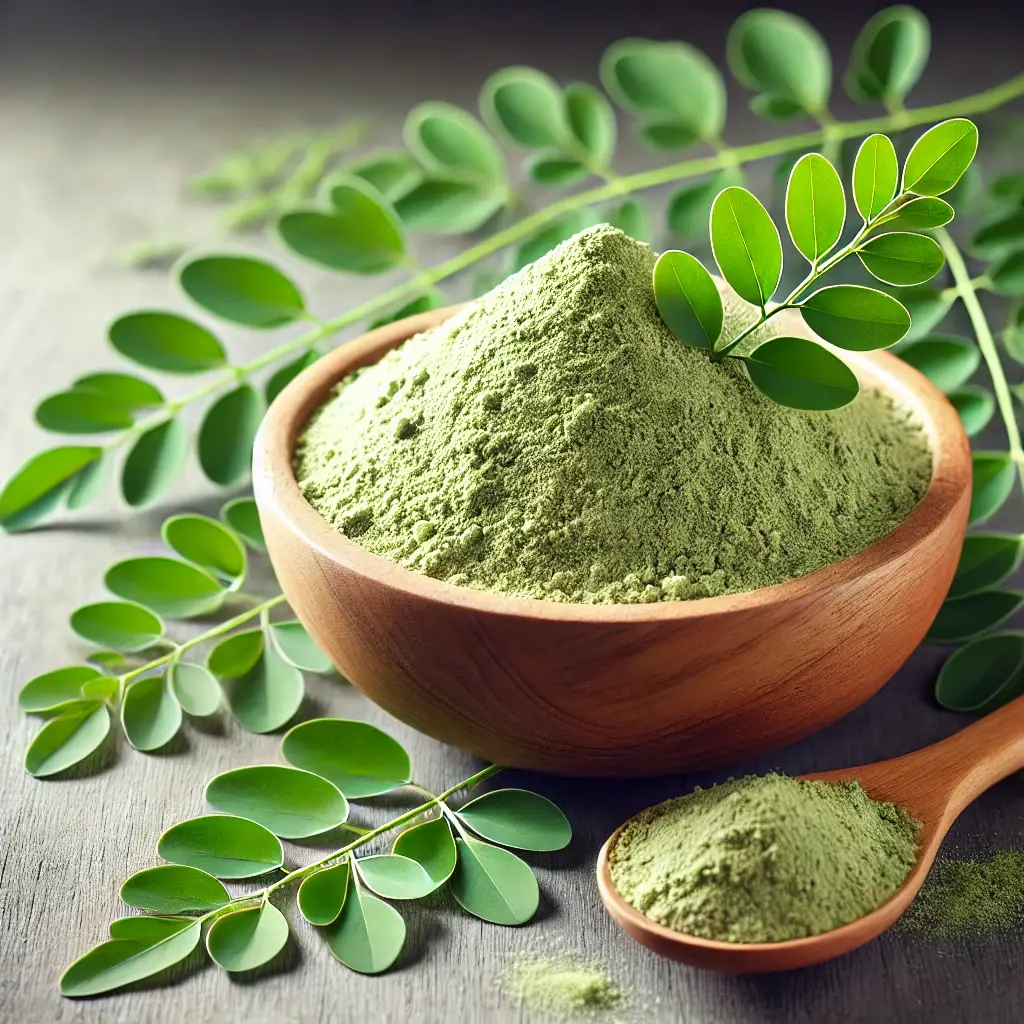
What if a single teaspoon of green powder could give you more iron than spinach, more calcium than milk, and more vitamin C than oranges? Welcome to the world of moringa powder—a ancient superfood that modern science is finally catching up with.
For thousands of years, healers in India and Africa have turned to the moringa tree, calling it the “miracle tree” and “tree of life.” Today, this humble green powder is transforming lives across the globe, from busy professionals seeking natural energy to fitness enthusiasts looking for plant-based protein, and health-conscious families wanting to boost their nutrition without synthetic supplements.
In this comprehensive guide, you’ll discover everything you need to know about moringa powder: its remarkable nutritional profile, science-backed health benefits, proper usage methods, potential side effects, and how it compares to other popular superfoods. Whether you’re new to moringa or looking to deepen your understanding, this guide will empower you to make informed decisions about incorporating this powerful superfood into your daily routine.
What is Moringa Powder?
Moringa powder comes from the dried leaves of the Moringa oleifera tree, a fast-growing plant native to the foothills of the Himalayas in northern India. Also known as the drumstick tree, horseradish tree, or ben oil tree, this remarkable plant has been a cornerstone of traditional medicine for over 4,000 years.
The transformation from leaf to powder is simple yet crucial for preserving nutrients. Fresh moringa leaves are carefully harvested at dawn (before sunlight can degrade their delicate nutrients), washed with purified water, and then shade-dried to maintain their nutritional integrity. Once dried, the leaves are ground into a fine, vibrant green powder that can be stored for months without refrigeration.
What makes moringa powder truly exceptional is its complete nutritional profile. Unlike most plant-based foods, moringa contains all nine essential amino acids, making it a rare complete plant protein. This dense nutritional makeup has earned it recognition from organizations worldwide, including being studied by the United Nations as a solution to malnutrition in developing countries.
The Nutritional Powerhouse Inside Every Teaspoon
Just 10 grams (about 2 teaspoons) of moringa powder delivers an impressive array of nutrients:
Vitamins:
- Vitamin A (from beta-carotene): Supports eye health and immune function
- Vitamin C: More per gram than oranges, boosting immunity and collagen production
- Vitamin E: Powerful antioxidant protecting cells from oxidative damage
- Vitamin K: Essential for blood clotting and bone health
- B Vitamins (B1, B2, B3, B6): Support energy metabolism and nervous system function
Minerals:
- Iron: Approximately 50% of daily recommended intake in just 10g
- Calcium: More than milk, supporting bone and teeth health
- Potassium: Regulates blood pressure and heart function
- Magnesium: Supports muscle and nerve function
- Zinc: Boosts immune system and wound healing
Other Nutrients:
- Complete Plant Protein (25% protein content)
- Dietary Fiber (24% fiber content)
- Essential Amino Acids (all 9 types)
- Powerful Antioxidants (quercetin, chlorogenic acid, beta-carotene)
- Polyphenols and flavonoids
This remarkable concentration of nutrients explains why moringa powder has become a go-to supplement for those seeking comprehensive nutritional support from a single natural source.
12 Science-Backed Benefits of Moringa Powder
Modern research has begun validating what traditional healers have known for centuries. Here are the most compelling, evidence-based benefits of incorporating moringa powder into your daily routine:
1. Exceptional Antioxidant Protection
Moringa powder ranks among the highest antioxidant-containing foods on Earth. Its rich supply of quercetin, chlorogenic acid, and beta-carotene helps neutralize free radicals—unstable molecules that damage cells and accelerate aging.
These antioxidants work throughout your body, protecting vital organs like your heart, liver, kidneys, and lungs from oxidative stress. Research indicates that the antioxidant activity in moringa may help reduce inflammation markers and protect DNA from damage, potentially lowering the risk of chronic diseases.
2. Natural Blood Sugar Regulation
For individuals managing diabetes or prediabetes, moringa powder shows promising results. Clinical studies have demonstrated that consuming moringa leaf powder can help reduce fasting blood glucose levels and post-meal blood sugar spikes.
The chlorogenic acid in moringa helps regulate how cells absorb or release glucose after eating. Research involving type 2 diabetic patients found that taking moringa powder daily resulted in reduced fasting plasma glucose, lower HbA1c levels, and improved overall blood sugar control. While more extensive research is ongoing, these findings suggest moringa could be a valuable addition to diabetes management plans when used alongside proper medical care.
3. Heart Health and Cholesterol Management
Your cardiovascular system may benefit significantly from regular moringa consumption. Studies have shown that moringa powder can help lower total cholesterol, reduce LDL (bad cholesterol), and decrease triglyceride levels while maintaining healthy HDL (good cholesterol) levels.
The quercetin in moringa acts as a natural antihypertensive compound, helping to relax blood vessels and support healthy blood pressure levels. Combined with its anti-inflammatory properties, moringa creates a comprehensive approach to heart health. However, if you’re taking blood pressure or cholesterol medications, consult your healthcare provider before adding moringa to avoid interactions.
4. Powerful Anti-Inflammatory Effects
Chronic inflammation lies at the root of many modern health challenges, from arthritis to heart disease. Moringa powder contains powerful anti-inflammatory compounds, including isothiocyanates, that help suppress inflammatory enzymes and proteins throughout your body.
Traditional medicine has long used moringa to treat joint pain and swelling, and contemporary research supports these applications. The plant’s anti-inflammatory properties may help reduce symptoms in conditions like inflammatory bowel disease, arthritis, and other inflammation-related disorders.
5. Complete Plant-Based Protein Source
Vegetarians, vegans, and athletes take note: moringa powder provides an exceptional 25% protein content by weight, containing all nine essential amino acids your body cannot produce on its own. This makes it one of the few plant sources of complete protein, rivaling animal-based options.
This high-quality protein supports muscle growth and repair, making moringa powder an excellent addition to post-workout smoothies or pre-workout meals. It’s particularly valuable for those who struggle to meet their protein needs through plant-based diets alone.
6. Enhanced Energy and Reduced Fatigue
Unlike caffeine-based energy boosters, moringa powder provides sustained, natural energy without the crash. Its rich iron content helps combat fatigue by supporting healthy red blood cell production and oxygen transport throughout your body.
The B vitamins in moringa play crucial roles in energy metabolism, helping convert food into usable energy at the cellular level. Many people report feeling more alert, focused, and energized within a few weeks of consistent moringa consumption, making it an ideal natural alternative to excessive coffee consumption.
7. Immune System Strengthening
Your immune system requires a diverse array of nutrients to function optimally, and moringa powder delivers them in abundance. The high concentration of vitamin C, vitamin A, iron, and various antioxidants work synergistically to strengthen your body’s defense mechanisms.
The antimicrobial and antibacterial properties of moringa have been documented in research, showing effectiveness against various pathogens including bacteria responsible for gastric ulcers and certain foodborne illnesses. Regular consumption may help you maintain resilience against common infections and seasonal illnesses.
8. Digestive Health and Gut Support
The 24% fiber content in moringa powder makes it excellent for digestive health. It contains both soluble and insoluble fiber, which work together to promote regular bowel movements, support healthy gut bacteria, and improve overall digestive function.
Research suggests moringa may help protect the digestive system from ulcers, reduce stomach acid secretion, and provide anti-inflammatory benefits to the intestinal lining. Some studies indicate potential benefits for managing conditions like ulcerative colitis and other inflammatory bowel disorders, though more human research is needed.
9. Liver Protection and Detoxification
Your liver works tirelessly to filter toxins from your body, and moringa powder may offer it valuable support. Studies have shown that moringa extracts can help protect liver cells from damage, reduce fat accumulation in the liver (important for preventing fatty liver disease), and support the organ’s natural detoxification processes.
The antioxidants and anti-inflammatory compounds in moringa help reduce oxidative stress on liver tissue, potentially protecting against chronic liver conditions when used as part of a healthy lifestyle.
10. Brain Health and Cognitive Function
The neuroprotective properties of moringa are gaining attention in research circles. Its high antioxidant content may help protect brain cells from oxidative damage, while specific compounds show potential for supporting cognitive function and memory.
Early research suggests moringa might play a role in supporting neurotransmitter activity and reducing neuroinflammation, factors important for maintaining mental clarity and potentially protecting against age-related cognitive decline. While more human studies are needed, the preliminary findings are encouraging.
11. Skin and Hair Nourishment
The beauty benefits of moringa extend beyond internal health. When consumed regularly, its high vitamin E, vitamin A, and antioxidant content support skin health from within, helping protect against premature aging and promoting a natural glow.
Applied topically, moringa oil (extracted from the seeds) has been used for centuries to moisturize skin, accelerate wound healing, and soothe dry or irritated skin. For hair health, moringa powder’s rich zinc and vitamin E content helps strengthen hair follicles, reduce dandruff, and support healthy hair growth.
12. Weight Management Support
While moringa powder isn’t a magic weight-loss solution, it can support healthy weight management in several ways. Its high protein and fiber content help increase satiety, reducing unhealthy snacking and overeating. The plant compounds may also help boost metabolism and support healthy insulin sensitivity.
Research on weight management effects is still emerging, with most evidence coming from animal studies. However, as part of a balanced diet and active lifestyle, moringa powder can be a valuable nutritional ally in your wellness journey.
How Moringa Powder Works: The Science Behind the Benefits
Understanding how moringa powder creates these remarkable effects helps you appreciate its true value. At the cellular level, several mechanisms work in harmony:
Antioxidant Defense System: The diverse antioxidants in moringa (quercetin, chlorogenic acid, polyphenols) neutralize free radicals before they can damage cellular structures, DNA, and proteins. This protection extends throughout your entire body, supporting every organ system.
Anti-Inflammatory Pathways: Moringa’s bioactive compounds, particularly isothiocyanates, suppress the production of inflammatory mediators like COX-2 enzymes and pro-inflammatory cytokines. This helps reduce chronic low-grade inflammation linked to numerous health conditions.
Metabolic Regulation: The chlorogenic acid and other phytonutrients in moringa influence how your body processes glucose and lipids. They help regulate the release and uptake of blood sugar, support healthy insulin function, and may influence fat metabolism.
Nutrient Synergy: Perhaps most importantly, the comprehensive nutrient profile works synergistically. Iron absorption is enhanced by vitamin C, bone health benefits from the calcium-magnesium-vitamin K combination, and the B vitamins support countless enzymatic reactions throughout your body.
This multifaceted approach explains why moringa powder can influence so many aspects of health—it’s not targeting a single pathway but supporting fundamental biological processes.
Who Should Use Moringa Powder?
Moringa powder can benefit a wide range of people, but it’s particularly valuable for:
Health-Conscious Individuals: If you’re proactive about nutrition and want to maximize your nutrient intake from natural sources, moringa powder offers comprehensive daily nutritional support.
Vegetarians and Vegans: The complete protein profile and high iron content make moringa especially valuable for plant-based eaters who may struggle to get all essential amino acids and sufficient iron from their diets.
Athletes and Fitness Enthusiasts: The combination of complete protein, natural energy support, and anti-inflammatory properties makes moringa an excellent addition to pre- and post-workout nutrition.
Busy Professionals: Those with demanding schedules who need sustained energy, mental clarity, and immune support without relying on excessive caffeine will find moringa powder to be a valuable ally.
Individuals Managing Chronic Conditions: People dealing with diabetes, high blood pressure, high cholesterol, or inflammatory conditions may benefit from moringa powder as a complementary approach (always under medical supervision).
Those Seeking Natural Beauty Support: If you want to support healthy skin, hair, and nails from within using natural nutrients rather than synthetic supplements, moringa powder delivers.
Anyone with Nutrient Deficiencies: If blood tests reveal deficiencies in iron, calcium, vitamin A, or other nutrients abundant in moringa, this superfood can help address multiple deficiencies simultaneously.
People Recovering from Illness: The dense nutritional profile supports the body’s healing and recovery processes, making it valuable during convalescence.
How to Use Moringa Powder: Dosage and Practical Guide
Getting the most from moringa powder requires understanding proper dosing and usage methods. Here’s your complete guide:
Recommended Dosage
For Beginners: Start with 1/2 to 1 teaspoon (approximately 1-2 grams) daily for the first week. This allows your digestive system to adjust to the increased fiber and nutrients.
For Regular Maintenance: Gradually increase to 1-2 teaspoons (2-5 grams) daily. This dosage provides substantial nutritional benefits while remaining well within safety limits.
For Therapeutic Purposes: Under healthcare guidance, some people consume up to 2-3 teaspoons (5-10 grams) daily to address specific health goals like diabetes management or chronic inflammation.
Maximum Safe Limit: Research indicates that up to 70 grams of fresh leaf equivalent (approximately 11 teaspoons of powder) appears safe, though most people will never need such high amounts.
Best Times to Take Moringa Powder
Morning (Recommended): Taking moringa powder first thing in the morning or with breakfast provides sustained energy throughout your day. The iron and B vitamins support alertness without caffeine jitters.
Midday: A lunchtime dose can help combat afternoon energy slumps while supporting steady blood sugar levels.
Avoid Before Bedtime: While moringa isn’t caffeinated, its energizing properties may interfere with sleep for some people. Take your last dose no later than early evening.
10 Delicious Ways to Use Moringa Powder
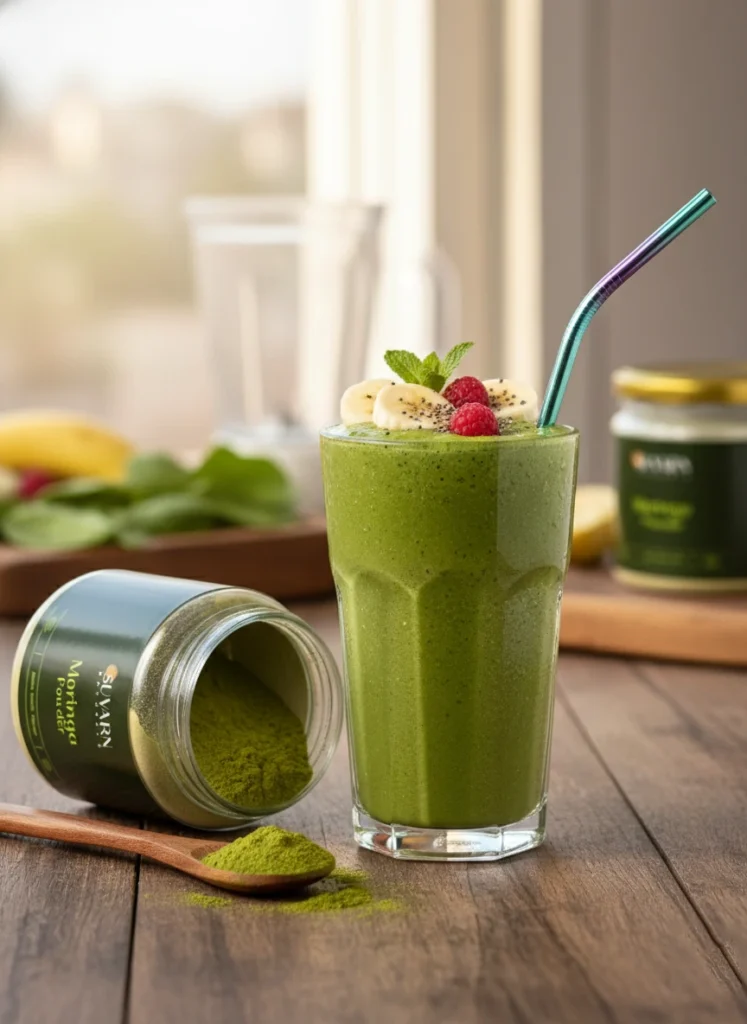
1. Green Smoothie Boost Add 1-2 teaspoons to your favorite smoothie recipe. The mild, slightly earthy flavor pairs beautifully with banana, mango, pineapple, or berries. The sweetness of fruit balances moringa’s natural taste.
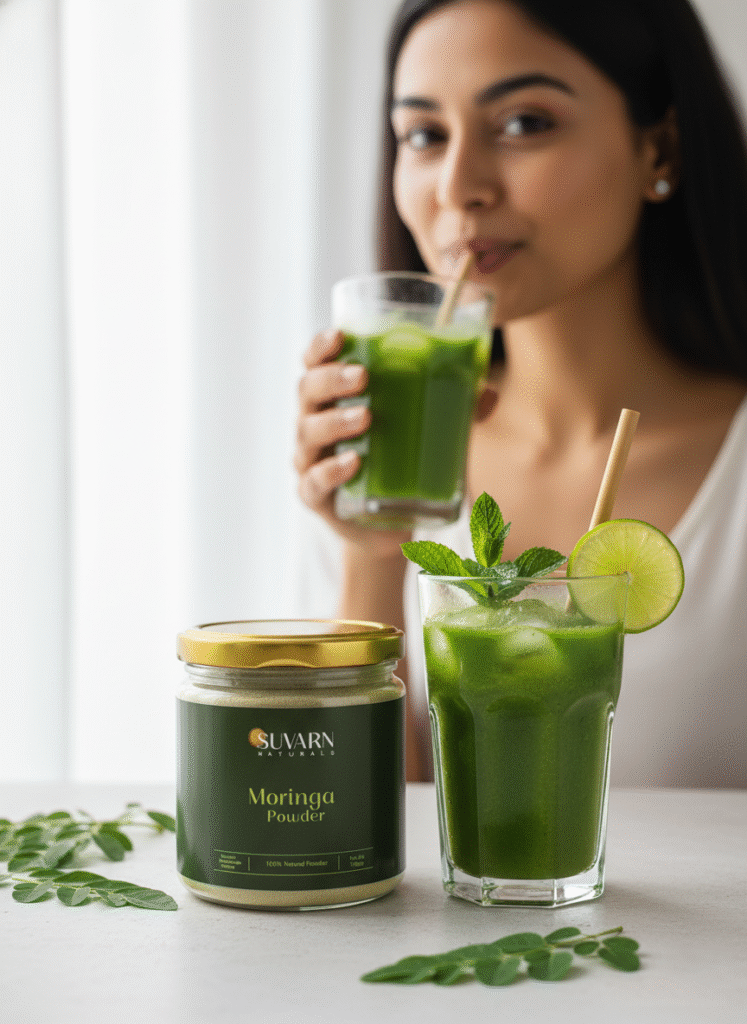
2. Morning Water or Juice Stir into a glass of water, coconut water, or fresh fruit juice. For enhanced flavor and digestive benefits, add a splash of lemon juice or apple cider vinegar.
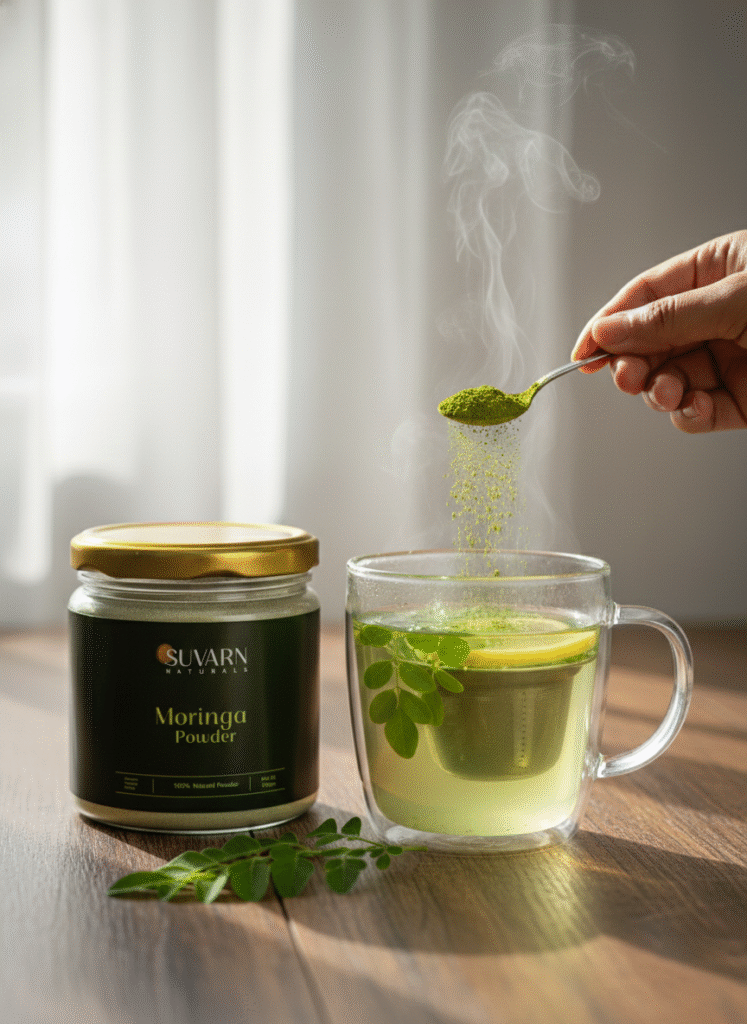
3. Warm Moringa Tea Mix 1 teaspoon into hot water with honey, fresh ginger, and a squeeze of lemon. This creates a soothing, nutrient-rich beverage perfect for any time of day.
4. Creamy Moringa Latte Blend moringa powder with your favorite plant-based milk, a touch of honey or maple syrup, and a sprinkle of cinnamon. Heat gently and enjoy a caffeine-free, nourishing latte.
5. Protein-Packed Energy Balls Mix moringa powder into homemade energy balls with dates, nuts, seeds, and coconut. Perfect for pre- or post-workout snacks.
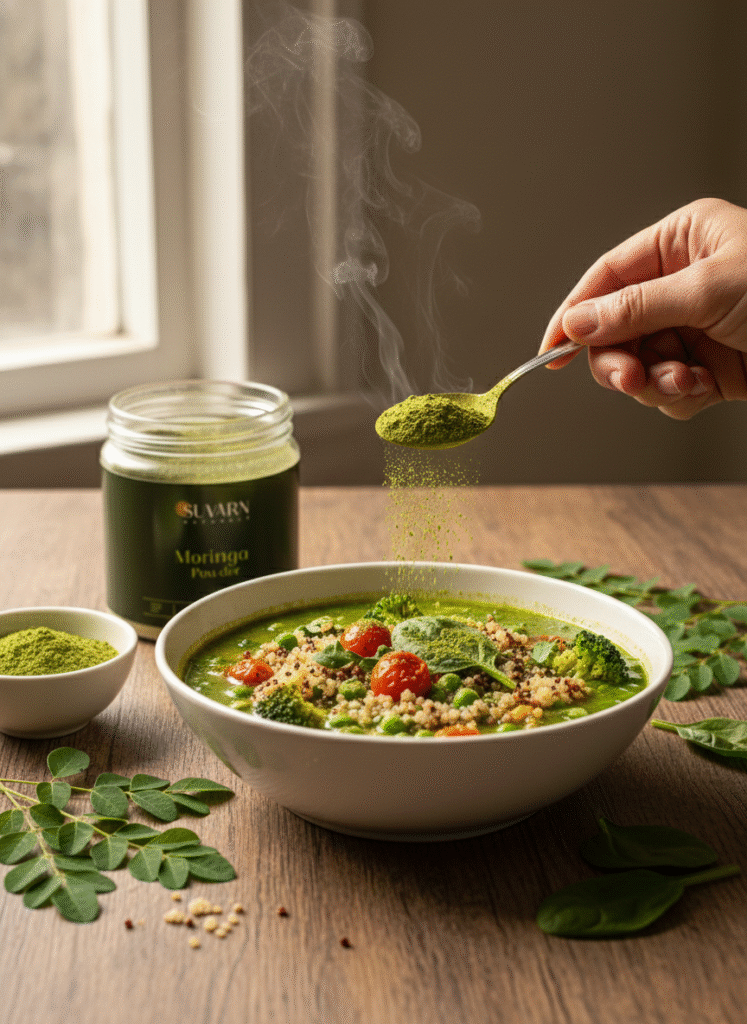
6. Soup and Stew Enhancer Stir moringa powder into soups, lentil dal, or vegetable stews after cooking (avoid prolonged heating to preserve nutrients). It adds nutritional value without overwhelming the dish’s flavor.
7. Salad Dressing Upgrade Whisk moringa powder into homemade salad dressings, combining it with olive oil, lemon juice, garlic, and herbs for a nutritious topping.
8. Yogurt or Oatmeal Topping Sprinkle moringa powder over yogurt bowls, oatmeal, or overnight oats. It pairs well with fruits, nuts, and seeds for a complete breakfast.
9. Baked Goods Addition Incorporate moringa powder into muffins, energy bars, or healthy treats. The cooking process may reduce some heat-sensitive vitamins, but many nutrients remain intact.
10. Savory Seasoning Use moringa powder as you would any dried herb, sprinkling it over roasted vegetables, rice dishes, quinoa bowls, or avocado toast for an extra nutritional boost.
Pro Tips for Maximum Benefits
- Take with Food: Moringa powder is best absorbed when consumed with a meal containing some healthy fats, which help absorb fat-soluble vitamins.
- Stay Consistent: Like most natural supplements, moringa powder works best with regular, daily use rather than sporadic consumption.
- Avoid Overheating: Add moringa powder to foods after cooking when possible to preserve heat-sensitive nutrients like vitamin C.
- Store Properly: Keep your moringa powder in an airtight container away from direct sunlight and moisture to maintain freshness and potency.
- Listen to Your Body: Start slowly and pay attention to how your body responds. Everyone’s tolerance and ideal dosage may vary slightly.
Side Effects and Precautions: What You Need to Know
While moringa powder is generally recognized as safe for most people, being informed about potential side effects and precautions demonstrates the responsible approach we take at Suvarn Naturals.
Common Side Effects (Usually Mild and Temporary)
Digestive Discomfort: The high fiber content may cause temporary bloating, gas, or loose stools, especially when starting or taking large amounts. This typically resolves as your digestive system adjusts. Starting with small doses and gradually increasing helps minimize these effects.
Nausea: Taking moringa powder on an empty stomach or in excessive amounts may cause mild nausea in some people. Taking it with food usually prevents this issue.
Laxative Effect: Due to its fiber and cleansing properties, moringa may have a mild laxative effect, particularly in higher doses. This can actually be beneficial for those dealing with constipation but may be undesirable for others.
Important Precautions and Contraindications
Pregnancy: Pregnant women should exercise extreme caution and avoid moringa root, bark, and flowers, as they contain compounds that may stimulate uterine contractions and potentially cause miscarriage. Moringa leaf powder in small amounts appears safer but should only be used under medical supervision during pregnancy.
Breastfeeding: While some traditional practices use moringa to support milk production, scientific evidence is mixed. Breastfeeding mothers should consult their healthcare provider before use.
Blood Sugar Medications: Moringa powder may lower blood sugar levels, which could interact with diabetes medications, potentially causing hypoglycemia. If you’re taking insulin or other glucose-lowering drugs, monitor your blood sugar carefully and work with your doctor to adjust medications if needed.
Blood Pressure Medications: The blood pressure-lowering effects of moringa may enhance the effects of antihypertensive medications, potentially causing blood pressure to drop too low. Regular monitoring and medical supervision are essential.
Thyroid Medications: Some research suggests moringa may affect thyroid function. If you’re taking thyroid medications, consult your healthcare provider before adding moringa to your routine.
Blood Thinners: Vitamin K in moringa may interfere with anticoagulant medications like warfarin. Maintain consistency in your moringa intake and work closely with your doctor if you’re on blood thinners.
Upcoming Surgery: Due to its effects on blood sugar and blood clotting, stop taking moringa powder at least two weeks before scheduled surgery.
Allergic Reactions
Though rare, some people may experience allergic reactions to moringa, particularly those with allergies to plants in the Moringaceae family. Symptoms may include:
- Skin rashes, hives, or itching
- Swelling of face, lips, or tongue
- Difficulty breathing
- Digestive upset
If you experience any signs of an allergic reaction, discontinue use immediately and seek medical attention.
Quality Matters: Choose Organic, Third-Party Tested Moringa
To minimize risks and maximize benefits, always choose high-quality, organic moringa powder from reputable sources. At Suvarn Naturals, our moringa powder undergoes rigorous testing to ensure it’s free from:
- Heavy metals and contaminants
- Pesticides and herbicides
- Harmful bacteria and pathogens
- Adulterants and fillers
This commitment to quality ensures you receive pure, potent moringa powder that delivers genuine health benefits without unwanted additives.
Moringa Powder vs. Other Superfoods: How Does It Compare?
In the crowded superfood market, how does moringa powder stack up against other popular green supplements? Let’s examine the key differences:
Moringa vs. Spirulina
Nutritional Profile:
- Protein: Spirulina wins with approximately 60% protein content compared to moringa’s 25%, making it the superior choice for pure protein supplementation.
- Iron: Moringa provides significantly more iron (approximately 50% of daily needs per 10g serving) compared to spirulina.
- Vitamins: Moringa contains more vitamin A, calcium, and fiber, offering broader nutritional diversity.
- Omega Fatty Acids: Spirulina contains beneficial omega-3 and omega-6 fatty acids not found in significant amounts in moringa.
Taste and Usability: Moringa has a mild, slightly earthy taste similar to matcha, making it easier to incorporate into various foods and drinks. Spirulina has a strong, oceanic flavor that many find challenging to tolerate, often requiring capsules or heavy masking in smoothies.
Best For:
- Choose moringa for comprehensive nutritional support, easier palatability, and better mineral content (iron, calcium).
- Choose spirulina for maximum protein supplementation, omega fatty acids, and specific detoxification goals.
Moringa vs. Wheatgrass
Nutritional Profile:
- Chlorophyll: Wheatgrass is approximately 70% chlorophyll, making it superior for detoxification and blood health.
- Complete Protein: Moringa contains all nine essential amino acids, while wheatgrass does not, making moringa the better protein source.
- Vitamin Content: Moringa provides more vitamin E and K, while wheatgrass offers more vitamin A and C.
- Mineral Content: Moringa delivers significantly more iron, calcium, and fiber compared to wheatgrass.
Taste and Usability: Both have somewhat acquired tastes, though moringa’s flavor is generally considered more versatile. Wheatgrass is traditionally consumed as a concentrated shot due to its strong, grassy flavor.
Best For:
- Choose moringa for well-rounded daily nutrition, complete protein, and sustained energy without detox discomfort.
- Choose wheatgrass for intensive detoxification, chlorophyll benefits, and supporting blood health.
Moringa vs. Matcha
Nutritional Profile:
- Caffeine: Matcha contains caffeine (providing energy and alertness), while moringa is caffeine-free but still energizing through nutrients.
- Antioxidants: Both are exceptionally high in antioxidants, with matcha’s EGCG and moringa’s quercetin offering different protective compounds.
- Protein and Minerals: Moringa provides substantially more protein, iron, calcium, and other minerals than matcha.
- L-Theanine: Matcha contains this calming amino acid that balances caffeine effects, which moringa lacks.
Best For:
- Choose moringa for caffeine-free energy, comprehensive nutrition, and avoiding caffeine sensitivity.
- Choose matcha for mental alertness with caffeine, specific antioxidant benefits from EGCG, and traditional ceremonial tea experiences.
The Verdict: Why Moringa Stands Out
While each superfood has unique strengths, moringa powder offers the most comprehensive nutritional profile for daily wellness. Its combination of complete plant protein, exceptional iron and calcium content, diverse vitamin array, powerful antioxidants, and versatile usability makes it an excellent all-in-one superfood supplement.
For those seeking maximum benefits, consider rotating between superfoods or even combining them (like adding both moringa and spirulina to smoothies) to capture the unique benefits of each.
Frequently Asked Questions About Moringa Powder
1. Can I take moringa powder every day?
Yes, daily consumption of moringa powder is generally safe and recommended for most people. Consistent daily use (1-2 teaspoons) allows you to experience the full nutritional benefits. Start with smaller amounts and gradually increase to allow your digestive system to adjust. Most people notice increased energy, better digestion, and improved well-being within 1-3 weeks of regular use.
2. When is the best time to take moringa powder?
The optimal time is morning or early afternoon, as moringa provides natural energy that you’ll want during active hours. Taking it with breakfast or lunch ensures the nutrients are absorbed efficiently with food. Avoid taking moringa close to bedtime, as its energizing properties might interfere with sleep for some individuals.
3. Does moringa powder help with weight loss?
Moringa powder can support weight management efforts but isn’t a standalone weight loss solution. Its high protein and fiber content increase satiety and reduce cravings, while potentially boosting metabolism. However, sustainable weight loss requires a balanced diet, regular exercise, and healthy lifestyle habits. Consider moringa as a valuable nutritional support tool within a comprehensive wellness plan.
4. Can I take moringa powder if I’m on medication?
If you’re taking medications for diabetes, blood pressure, thyroid conditions, or blood thinning, consult your healthcare provider before adding moringa powder. It may enhance the effects of these medications, potentially requiring dosage adjustments. Always inform your doctor about all supplements you’re taking to avoid adverse interactions.
5. Is moringa powder safe during pregnancy and breastfeeding?
Pregnant women should avoid moringa root, bark, and flowers due to compounds that may stimulate uterine contractions. Moringa leaf powder in small amounts may be safer but should only be used under medical supervision. For breastfeeding mothers, evidence on safety and effectiveness is mixed—consult your healthcare provider before use.
6. How long does moringa powder take to show results?
Most people notice increased energy and improved digestion within the first week of consistent use. More significant benefits like improved immunity, better blood sugar control, and enhanced skin health typically become apparent after 2-4 weeks of regular consumption. For chronic conditions, longer-term use (2-3 months) may be needed to see substantial improvements.
7. Can children take moringa powder?
Yes, children over the age of 2 can consume moringa powder in smaller doses (starting with 1/4 teaspoon) under parental guidance. Moringa’s rich nutrient profile can help address nutritional deficiencies common in children. However, always start with very small amounts to ensure tolerance and consult a pediatrician, especially for children with health conditions.
8. Does moringa powder expire? How should I store it?
When stored properly, moringa powder can maintain its quality for 12-24 months. Store it in an airtight container in a cool, dark place away from direct sunlight and moisture. Refrigeration can extend shelf life but isn’t necessary. Signs of spoilage include off-odors, discoloration, or clumping beyond normal powder texture.
9. Can I mix moringa powder with hot liquids?
Yes, but be mindful that prolonged high heat can degrade some heat-sensitive nutrients like vitamin C. For tea, add moringa powder to water that’s hot but not boiling (around 160-180°F or 70-80°C), or add it after removing from heat. For soups and cooked dishes, stir in moringa powder after cooking when possible.
10. What’s the difference between organic and non-organic moringa powder?
Organic moringa powder is grown without synthetic pesticides, herbicides, or chemical fertilizers, making it a purer product. Since leaves absorb compounds from their environment, organic certification ensures minimal exposure to harmful chemicals. At Suvarn Naturals, we exclusively offer certified organic moringa powder, ensuring the highest quality and safety for your health.
11. Can I use moringa powder topically on my skin?
While moringa powder is primarily consumed, it can be mixed with water, aloe vera gel, or carrier oils to create face masks or hair treatments. Its antioxidant and anti-inflammatory properties may benefit skin when applied topically. However, moringa seed oil is more commonly used for topical applications. Always do a patch test before applying any new substance to your skin.
12. Is moringa powder better than moringa capsules?
Both forms contain the same powdered moringa leaves. Powder offers versatility—you can add it to foods and drinks—and is often more cost-effective. Capsules provide convenience, pre-measured doses, and bypass moringa’s taste, making them ideal for travel or those who dislike the flavor. Choose based on your lifestyle and preferences; both deliver equivalent nutritional benefits.
Final Thoughts: Is Moringa Powder Right for You?
After exploring the comprehensive benefits, usage methods, and precautions of moringa powder, you may be wondering: is this superfood right for your unique health journey?
If you’re seeking a natural way to:
- Fill nutritional gaps in your diet with real, plant-based nutrients
- Support sustained energy without caffeine dependence
- Strengthen your immune system naturally
- Manage blood sugar or cholesterol levels as part of a holistic approach
- Reduce inflammation and support overall wellness
- Get complete plant-based protein
- Nourish your body with ancient wisdom backed by modern science
Then moringa powder deserves a place in your daily routine.
The beauty of moringa lies not in miraculous overnight transformations, but in its ability to provide comprehensive, foundational nutritional support that empowers your body to function optimally. It’s about giving yourself the building blocks for health—vitamins, minerals, protein, antioxidants, and beneficial plant compounds—all from a single, pure source.
Why Choose Suvarn Naturals Moringa Powder
At Suvarn Naturals, we understand that quality determines effectiveness. That’s why our moringa powder is:
- 100% Organic & Pure: No additives, fillers, or artificial ingredients—just pure moringa leaf powder
- Sustainably Sourced: Ethically harvested from carefully selected farms that honor traditional growing practices
- Shade-Dried for Maximum Nutrients: Our gentle drying process preserves the delicate vitamins and phytonutrients
- Third-Party Tested: Every batch undergoes rigorous testing for purity, potency, and safety
- Fresh & Vibrant: Packaged in protective containers to maintain freshness and nutritional integrity
Our commitment extends beyond selling a product—we’re dedicated to supporting your wellness journey with education, transparency, and the highest quality herbal supplements nature has to offer.
Your Next Steps
Starting your moringa journey is simple:
- Begin Small: Start with 1/2 to 1 teaspoon daily and observe how your body responds
- Be Consistent: Make moringa part of your daily routine for at least 3-4 weeks to experience its benefits
- Listen to Your Body: Adjust your dosage and timing based on how you feel
- Track Your Progress: Notice changes in your energy, digestion, and overall well-being
- Consult Professionals: Work with healthcare providers if you have specific health concerns or take medications
Remember, true wellness is a journey, not a destination. Moringa powder isn’t a magic bullet, but it can be a powerful ally in your commitment to living healthier, feeling stronger, and thriving naturally.
Disclaimer: This information is for educational purposes only and is not intended to diagnose, treat, cure, or prevent any disease. Always consult with a qualified healthcare professional before starting any new dietary supplement, especially if you have existing health conditions, are pregnant or nursing, or are taking medications. Individual results may vary.
