
Build Immunity Naturally: Ayurvedic Herbs + Modern Science

Published: 17 June 2026 | By Suvarn Naturals Team | 5-min read
📋 TL;DR — Quick Summary
• Immunity (Vyadhikshamatva in Ayurveda) is your body’s ability to fight infection and recover fast.
• Amla, moringa, ashwagandha & blue pea flower may support immune health through antioxidants and adaptogens.
• Women with PCOS, hormonal imbalance, or high stress often have compromised immunity.
• A simple 3-minute morning ritual using these herbs can be easy to maintain daily.
• A 2023 study confirmed ashwagandha withanolides may support immune cell activity in adults under stress. • Try Suvarn Naturals Amla Powder or Moringa Powder to start your immunity ritual today
Try it: Explore our full herbal range →
Every winter, you catch every cold that comes around. Every season change brings a sore throat. If this sounds familiar, your immunity may need some attention — and you are not alone., this guide explores how traditional Ayurvedic herbs like amla, moringa, and ashwagandha may support immune health, backed by what modern science is finding. Whether you are managing PCOS, recovering postpartum, or simply exhausted from a busy schedule, this is your honest, practical guide to stronger immunity — no jargon, no unrealistic promises.
What Is Immunity?
Immunity is your body’s natural defence system. It identifies harmful bacteria, viruses, and toxins — and works to neutralise them before they cause illness. A well-functioning immune system helps you recover faster, feel more energetic, and get sick less often.
In Ayurveda, immunity is described through Vyadhikshamatva — literally ‘the power to resist disease.’ It is governed by Ojas, the subtle essence of all seven body tissues (Dhatus). When Ojas is strong, you feel vibrant and resistant to illness. When it is depleted — through stress, poor sleep, or processed food — you become vulnerable.
Modern science maps this to two arms: innate immunity (your rapid first-line response) and adaptive immunity (the slower, targeted response that creates memory). Key players include white blood cells, cytokines (immune signalling proteins), antioxidants, and the gut microbiome — which houses roughly 70% of your immune cells.
The Science + Ayurvedic Perspective on Immunity
Building strong immunity is not about taking one magic supplement. It is about reducing oxidative stress, balancing inflammation, and supporting your body’s natural response — which is exactly what Ayurvedic herbs have been doing for centuries.
Ayurveda classifies immunity support under Rasayana therapy — rejuvenating practices that rebuild Ojas and slow cellular ageing. Classic Rasayana herbs like amla, ashwagandha, and moringa work by modulating the immune response, reducing cortisol (the stress hormone that suppresses immunity), and providing micronutrients your immune cells need.
A 2023 review published in Phytomedicine confirmed that withanolides — the active compounds in ashwagandha — may significantly reduce markers of inflammation and support immune cell proliferation in adults under chronic stress.
In Ayurvedic Dosha terms: Vata types tend toward anxiety-driven immunity depletion (sleep disruption, nervous system stress). Pitta types may experience inflammatory immune responses (skin flares, recurring infections). Kapha types build immunity more slowly but may face mucus-related congestion issues.
MYTH VS FACT
| Myth | Fact |
| Taking Vitamin C supplements alone is enough for immunity. | Vitamin C is one piece. Research suggests a combination of antioxidants, adaptogens, zinc, and gut health is more effective than isolated supplementation. |
| You only need immunity support during winter. | Immunity is year-round. Stress, poor sleep, and hormonal changes affect immune function across all seasons — especially during monsoon transitions in India. |
| Herbal remedies work too slowly to be useful. | Ayurvedic herbs like amla and moringa show measurable changes in antioxidant markers within 4–8 weeks of consistent use, according to recent clinical studies. |
Benefits of Boosting Immunity — Especially for Women
Women’s immune systems are uniquely influenced by hormonal cycles, pregnancy, postpartum recovery, and perimenopause. Here is what consistent immune support may do for you.
May Reduce Frequency of Common Infections
Amla powder contains one of the highest natural concentrations of Vitamin C among plant foods — up to 600–700 mg per 100g. Vitamin C may support the production and function of white blood cells. Research suggests consistent amla intake may reduce the duration and severity of respiratory infections.
| ✦ Quick Tip: Add half a teaspoon of Suvarn Naturals Amla Powder to warm water each morning before breakfast for a gentle daily dose. |
May Support Hormonal Balance and Immune Health Together
PCOS and hormonal imbalances often come with chronic low-grade inflammation — which directly suppresses immunity. Ashwagandha may help by reducing cortisol and supporting adrenal function. A 2022 randomised controlled trial found that women taking ashwagandha extract reported significantly reduced stress scores and improved overall energy.
| ✦ Quick Tip: Mix a quarter teaspoon of ashwagandha powder into warm milk or a golden latte before bed. |
May Improve Energy and Reduce Fatigue
Moringa powder is rich in iron, magnesium, and B-vitamins — all critical for energy metabolism and immune cell production. Women who are anaemic or postpartum are particularly vulnerable to immune fatigue. Moringa may bridge nutritional gaps that keep energy and immunity low.
| ✦ Quick Tip: Blend one teaspoon of Suvarn Naturals Moringa Powder into a smoothie or stir into dal for an invisible nutrient boost. |
May Support Gut Health — Where Immunity Begins
Nearly 70% of immune cells reside in the gut lining. Blue pea flower contains anthocyanins — potent antioxidants that may reduce gut inflammation and support the integrity of the intestinal wall. A healthy gut lining means better nutrient absorption and a stronger immune response.
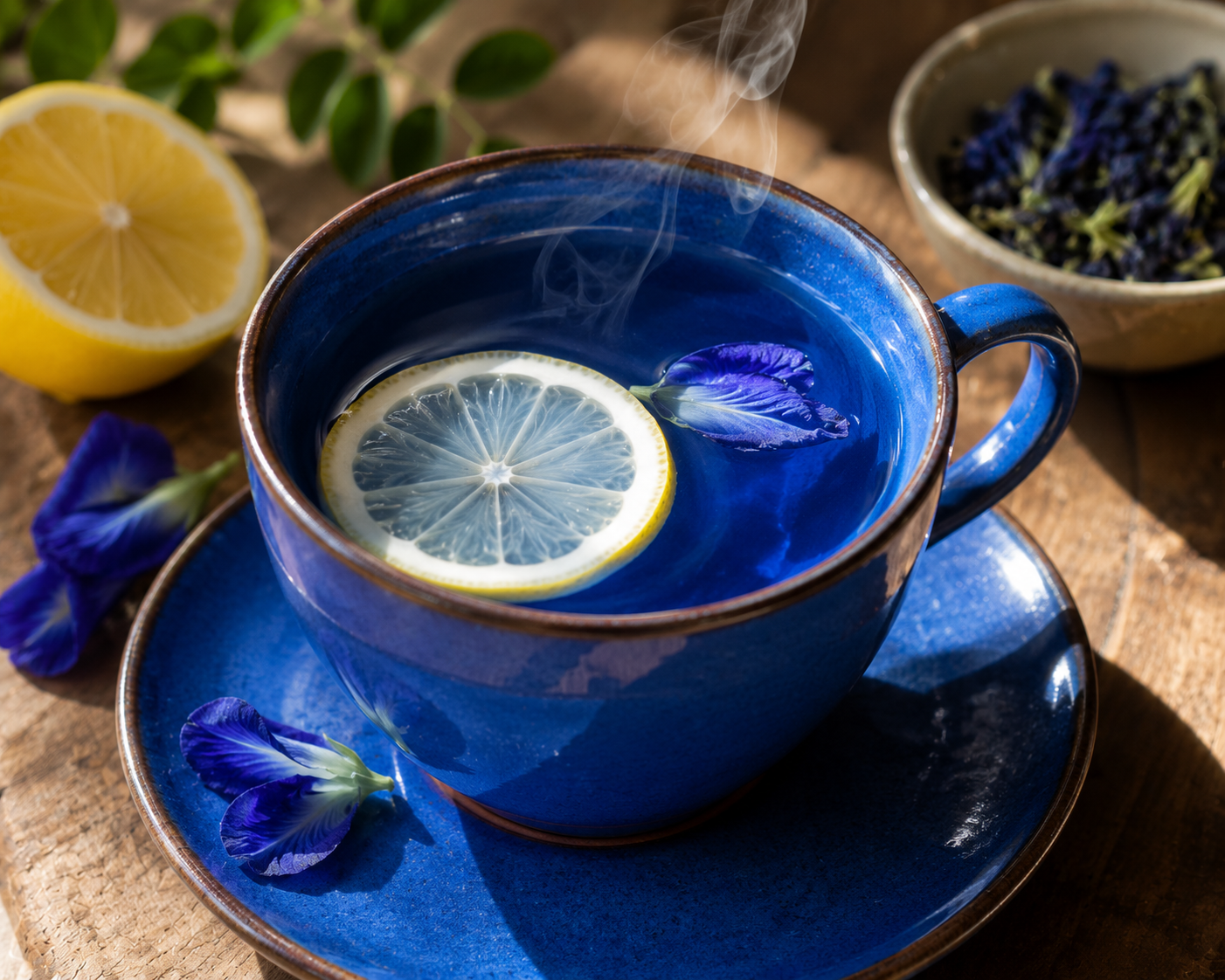
| ✦ Quick Tip: Brew a cup of blue pea flower tea after lunch. Its natural colour-change with lemon makes it a ritual worth looking forward to. |
May Help Manage Oxidative Stress
All four herbs — amla, moringa, ashwagandha, and blue pea flower — are rich in antioxidants that may neutralise free radicals. Chronic oxidative stress is now linked to faster immune ageing and higher susceptibility to illness. Traditional Ayurvedic Rasayana therapy was built around exactly this principle of cellular restoration.
| ✦ Quick Tip: Rotate between these herbs across the week for a broad spectrum of antioxidant support. |
Who Should Focus on Immunity Support?
Certain life stages and conditions make immune support especially important for women.
Women with PCOS
Chronic inflammation and insulin resistance associated with PCOS may suppress immune function. Herbs that reduce inflammation and cortisol — like ashwagandha and moringa — may be particularly beneficial.
Postpartum Women
Childbirth and breastfeeding place high nutritional demands on the body. Iron, Vitamin C, and adaptogens may help rebuild strength and immune resilience after delivery.
Women in Perimenopause
Declining oestrogen affects immune regulation and increases susceptibility to autoimmune responses. Antioxidant-rich herbs may help moderate this transition through your 40s and 50s.
Women Under Chronic Stress
Elevated cortisol from work, caregiving, or emotional stress suppresses immune function significantly. Ashwagandha as an adaptogen may help modulate this stress response over time.
Not Ideal If:
- You are pregnant (consult your doctor before taking ashwagandha specifically)
- You are on immunosuppressant medications
- You have an autoimmune condition without medical supervision
- You are under 12 years of age without paediatric guidance
How to Strengthen Immunity — Step by Step
Building immunity is not one dramatic action. It is a series of small, consistent habits. Here is a practical framework.
- Step 1: Start with amla every morning. Half a teaspoon in warm water or a smoothie. Best absorbed on an empty or light stomach. Avoid boiling — heat degrades Vitamin C.
- Step 2: Add moringa to one meal daily. One teaspoon stirred into dal, soups, or smoothies. Nearly tasteless in small amounts — the easiest herb to maintain.
- Step 3: Take ashwagandha at night. A quarter to half teaspoon in warm milk. Works alongside your body’s natural cortisol rhythm for better sleep and immune recovery.
- Step 4: Sip blue pea flower tea 2–3 times a week. Especially helpful during season changes or high-stress periods.
Dos and Don’ts
| ✓ Do | ✗ Don’t |
| Start with small amounts (quarter teaspoon) and gradually increase. | Take all herbs at once in large doses — this can cause digestive discomfort. |
| Use consistently for at least 4–8 weeks to observe results. | Expect overnight results — Rasayana therapy is a sustained practice. |
| Pair herbal support with adequate sleep, hydration, and whole foods. | Rely on herbs alone while maintaining poor sleep or a high-sugar diet. |
| Store powders in airtight containers away from moisture and sunlight. | Boil amla powder — heat degrades its Vitamin C content. |
| Consult a doctor if you have a chronic condition or take regular medications. | Use ashwagandha during pregnancy without medical clearance. |
Strengthen Your Hair Naturally with Gooseberry Powder
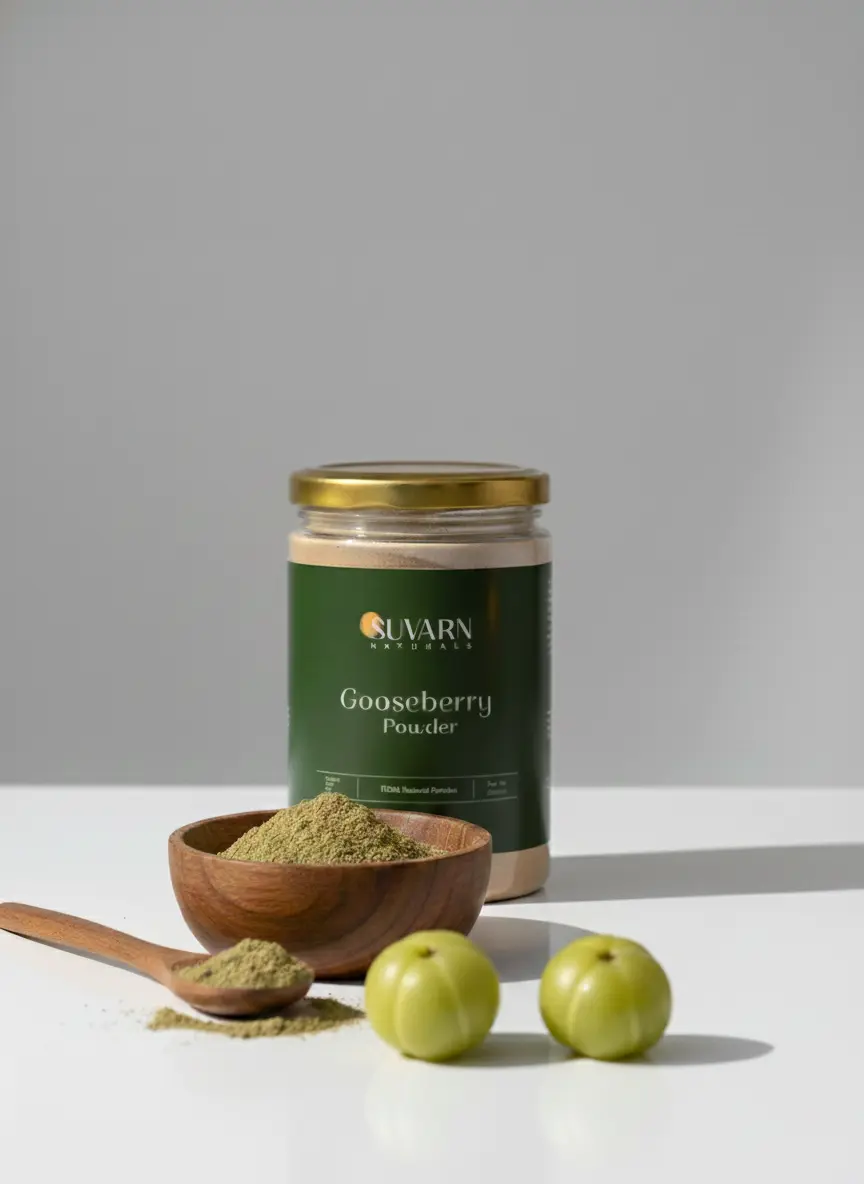
Made from premium-quality Indian Gooseberries (Amla), this traditional Ayurvedic powder is a versatile addition to your hair and beauty routine. Perfect for DIY hair masks and natural self-care rituals.
- ✔ Made from Premium Amla Fruits
- ✔ Ideal for Natural Hair Care Recipes
- ✔ Supports Healthy-Looking Hair
- ✔ 100% Pure with No Additives or Preservatives
The 3-Minute Morning Immunity Ritual
This is the section most wellness guides miss — a specific, easy ritual designed for busy women who want results without complexity.
Ingredients
- ½ tsp Suvarn Naturals Amla Powder
- ½ tsp Suvarn Naturals Moringa Powder
- ¼ tsp Suvarn Naturals Ashwagandha Powder (optional — or move to evening)
- 1 tsp raw honey
- 150 ml warm water (approx. 50°C)
Steps
- Warm your water to roughly 50°C — hot enough to dissolve powders but not destroy heat-sensitive Vitamin C.
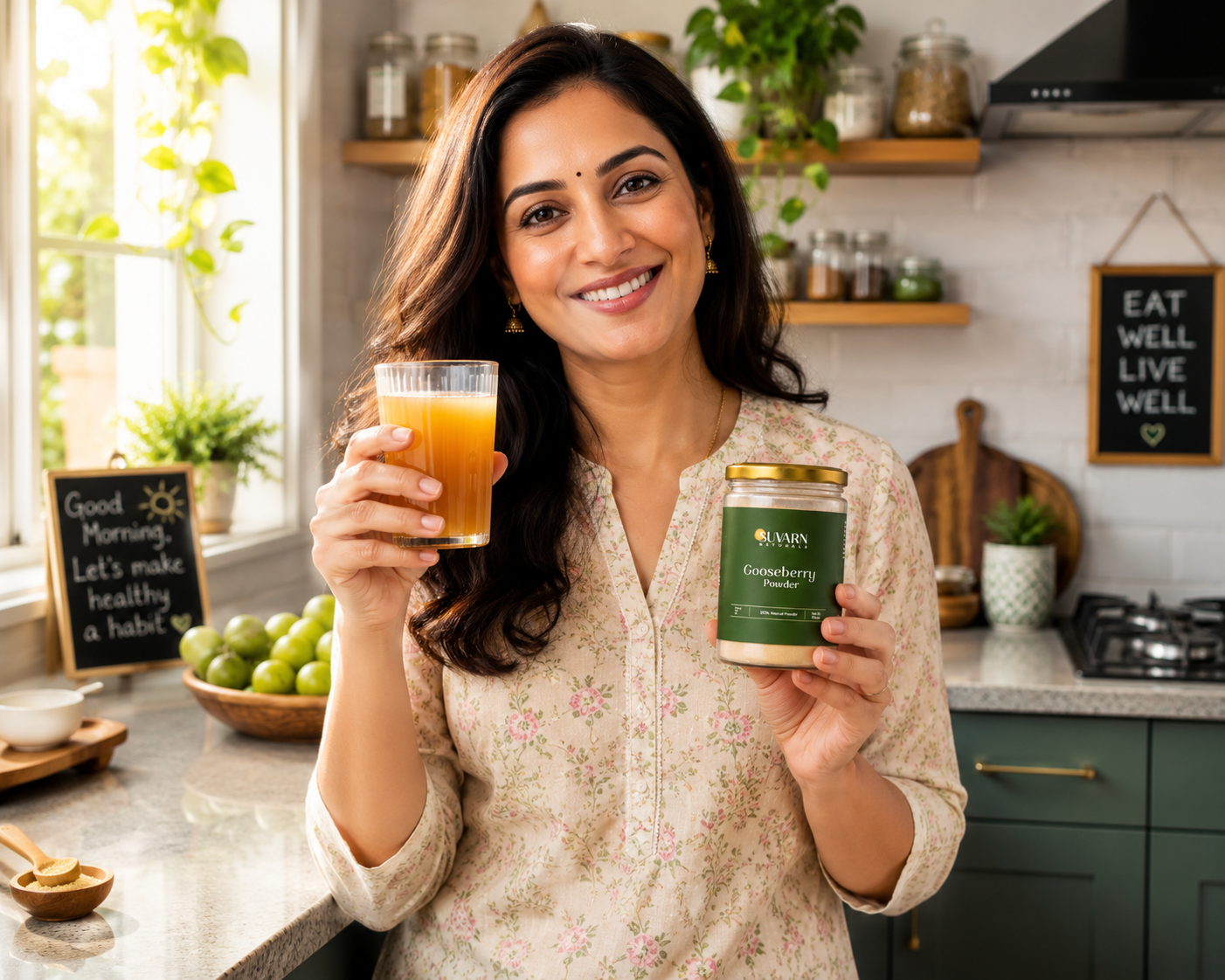
- Add amla powder first and stir until dissolved. It will turn the water a light amber colour.
- Add moringa powder and stir again. Moringa may clump slightly — whisk for 20 seconds.
- Stir in honey last. Honey should not be added to very hot water as it changes its composition.
- Drink slowly over 5 minutes. Do not eat anything for 15 minutes after.
| ✦ Quick Tip: Pro tip: On alternate evenings, brew a cup of our Blue Pea Flower tea to add a powerful anthocyanin boost. Its vivid indigo colour is a visual reminder that you are nourishing yourself. |
Explore our Blue Pea Flower to add to your weekly ritual.
Immunity Boosters Compared
Not all immunity support is equal. Here is how a consistent herbal routine compares to other common options, across five practical metrics.
| Metric | Suvarn Naturals Herbal Stack | Generic Supplements | Synthetic Vitamin C | No Supplementation |
| Ease of Use | Medium — small daily ritual | Easy — capsule form | Very easy — one tablet | N/A |
| Time to Results | 4–8 weeks with consistency | 4–12 weeks | 2–4 weeks (short-term) | N/A |
| Hormonal Friendliness | High — adaptogens support balance | Variable | Low — no hormonal support | N/A |
| PCOS Suitability | High — anti-inflammatory | Variable — check ingredients | Low | N/A |
| Monthly Cost (approx.) | INR 300–600 | INR 400–800 | INR 100–200 | Zero |
Note: Results vary based on individual health, diet, and consistency. No product prevents or treats any disease.
Side Effects and Precautions
Most Ayurvedic herbs are well-tolerated when taken in suggested amounts. Transparency is important here.
Amla
May cause mild acidity in some individuals when taken in large amounts. Start with half a teaspoon. May interact with blood-thinning medications — consult your doctor if you are on anticoagulants.
Moringa
Generally safe in food amounts. Very high doses (beyond 2–3 teaspoons daily) may cause digestive discomfort. Those on thyroid medication should check with their doctor before use.
Ashwagandha
Not recommended during pregnancy or breastfeeding without medical supervision. May interact with sedatives, thyroid medication, and immunosuppressants. Discontinue two weeks before any scheduled surgery.
Blue Pea Flower
Generally safe for most adults. Avoid in large amounts during pregnancy. Those on blood pressure medication should use in moderation.
When to see a doctor: If you experience recurring infections, persistent fatigue lasting more than 3–4 weeks, unexplained weight loss, or any allergic reaction to herbal products, please speak with a healthcare provider.
Myths and Mistakes Women Make About Immunity
Before you start your immunity journey, here are the common mistakes worth knowing about — and avoiding.
Myth 1: “I should only focus on immunity when I am sick”
This is perhaps the most common mistake. Immunity is built over weeks and months of consistent habits. When you are already unwell, your immune cells are already overwhelmed. The time to build immunity is when you are well.
Myth 2: “More herbs = better immunity”
More is not always better. Large doses of any herb — even beneficial ones — can strain digestion or the liver. A small, consistent dose across weeks is far more effective than large, sporadic doses.
Myth 3: “Synthetic supplements are more reliable than herbs”
Modern research continues to show that whole-food-sourced nutrients — like Vitamin C from amla — may be better absorbed and utilised than isolated synthetic versions. The food matrix matters.
Myth 4: “My immunity is genetic and I cannot change it much”
While genetics play a role, research consistently shows that lifestyle, diet, sleep, and stress management can significantly modify immune function. You have more influence over your immunity than you may think.
Myth 5: “Women’s immunity is the same as men’s”
Women’s immune systems are significantly different. Oestrogen generally enhances immune response — which is why women mount stronger immune reactions but are also more susceptible to autoimmune conditions. Immunity support for women should account for hormonal context.
Notes from the Suvarn Naturals Founder
| “At Suvarn Naturals, we believe wellness begins with consistent daily habits. Traditional ingredients like amla, moringa, and ashwagandha have been part of wellness routines for generations. Our goal is to make these natural ingredients easy to include in modern lifestyles.” |
When we first formulated our Amla Powder, our priority was colour and texture — both indicators of minimal processing. Our amla powder retains a natural greenish-beige hue, which tells you the antioxidants are largely intact. Over-processed amla tends to turn dull brown. We test every batch for heavy metals and microbial contamination because our customers are often women who are already managing health challenges — they deserve the cleanest product we can offer.
Our Moringa Powder has a characteristic mild grassy scent. If moringa powder smells harsh or metallic, that often signals poor sourcing or old stock. Ours is sourced from farms in southern India where moringa has been grown traditionally, and we keep batch sizes small so the product reaches you fresh.
We hear from customers regularly — women who started with half a teaspoon of amla in the morning and slowly built a full ritual. That consistency is what we designed for. Not dramatic transformations. Just steady, sustainable wellness.
Explore our full herbal range at Suvarn Naturals Shop.
Frequently Asked Questions
How long does it take to see results from immunity herbs?
Most people report noticeable changes in energy and reduced frequency of infections after 4–8 weeks of consistent use. Ayurvedic Rasayana therapy is designed as a sustained practice, not a quick fix. Track your energy levels, sleep quality, and how quickly you recover from minor illness as markers of progress.
Can women with PCOS safely take ashwagandha?
Research suggests ashwagandha may be beneficial for women with PCOS due to its cortisol-lowering and anti-inflammatory properties. A 2022 clinical trial found it may support hormonal balance and reduce stress scores in women. Always consult your gynaecologist before adding ashwagandha if you are on hormonal medication.
Is it safe to take amla powder daily?
Yes, for most adults, amla powder is safe for daily use in suggested amounts (half to one teaspoon). It has a long history of traditional daily use in Indian households. Those with acidity concerns should start with smaller amounts and take it with food.
Can I take all four herbs together?
You can, but starting with one or two at a time is better. This helps your body adjust and also helps you identify which herb is benefiting you most. The morning ritual combining amla and moringa is a good starting point.
Does moringa powder have a strong taste?
Suvarn Naturals Moringa Powder has a mild, slightly grassy flavour — much less strong than many commercial brands. In amounts of half to one teaspoon, it is nearly undetectable in smoothies, soups, or dal.
Is blue pea flower safe for teenagers?
Blue pea flower is generally considered safe as a food and beverage ingredient. It is used widely in South-east Asian cuisine. For those under 16, we recommend limiting to one cup per day. Avoid if on regular medication without checking with a doctor.
Can I take ashwagandha in the morning instead of at night?
You can, though most practitioners suggest evening use because ashwagandha may support cortisol reduction and sleep quality — both of which peak in their effect overnight. If morning use works better for your routine, it is still beneficial.
How do I know if my immunity is actually improving?
Track these markers: fewer colds and infections, faster recovery when you do fall ill, improved energy by mid-morning, better sleep quality, and reduced frequency of skin breakouts. Most women report meaningful change by week 6.
Are these herbs safe during breastfeeding?
Amla and moringa are generally considered safe in food amounts during breastfeeding and are even traditionally recommended for postpartum nutrition. Ashwagandha should be avoided during breastfeeding unless specifically approved by your doctor.
Where can I buy Suvarn Naturals immunity herbs?
You can find our Amla Powder, Moringa Powder, Ashwagandha Powder, and Blue Pea Flower on our website. Visit suvarnnaturals.com/shop to explore the full range.
Final Takeaway
Your immunity is not fixed. It responds to how you sleep, how you eat, how you manage stress — and which herbs you choose to support it. Whether you start with a daily amla shot or a moringa-laced dal, the key is consistency over time.
Ayurvedic Rasayana herbs work gently and cumulatively. You may not notice a dramatic change overnight, but in 6–8 weeks, you may find you are getting sick less often, recovering faster, and waking up with more energy. That is immunity at work — quietly, steadily, on your side.
Explore Suvarn Naturals Amla Powder and
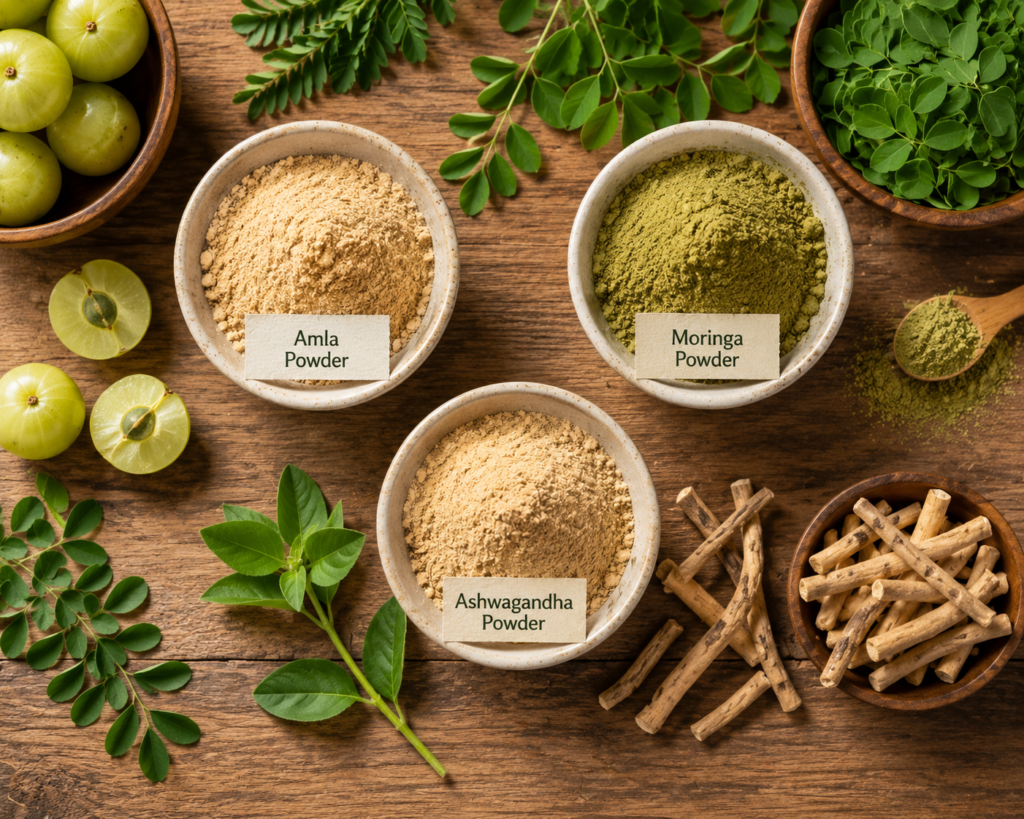
Moringa Powder to begin your ritual.