Multani Mitti Powder for Skin: Ayurveda’s Oil-Control Secret

Published: 1 June 2026 | By Suvarn Naturals Team
TL;DR
Curious whether oily, combination, or dry skin actually needs this clay? Check your skin type first →
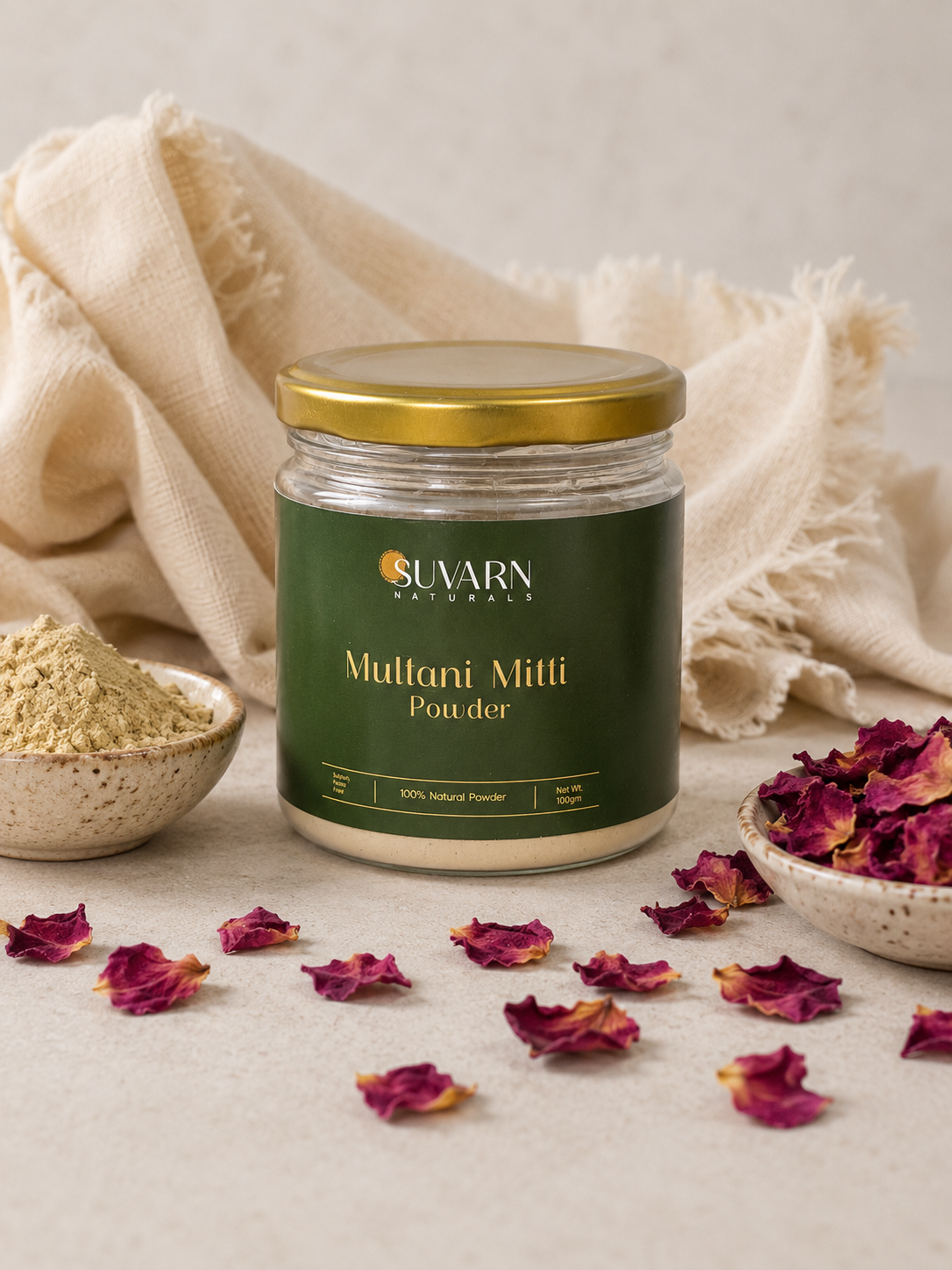
Multani Mitti Powder (Fuller’s Earth) is a mineral-rich clay traditionally used in Ayurveda to absorb excess oil and cleanse the skin.
It’s best suited for oily, combination, and acne-prone skin — not for very dry or Vata-dominant skin without added moisture.
Modern research on bentonite-type clays supports its oil-absorbing (adsorbent) action, though large human trials specific to multani mitti are still limited.
It does not lighten skin tone permanently — it removes tan and buildup, which can make skin look brighter.
Use it 1–3 times a week, mixed with rose water, milk, or aloe vera depending on your skin type, and always follow with a moisturiser.
If your T-zone is shiny by lunchtime, or your skin feels clogged after a humid Mumbai commute, you’ve probably heard someone in your family suggest multani mitti powder. It’s the clay your grandmother swore by, and it’s now back on ingredient lists in 2026. This guide breaks down what it actually does, what Ayurveda and modern research say about it, and — as promised — a note from the Suvarn Naturals founder on why we chose the batch we did.
What is Multani Mitti Powder?
Multani mitti powder is a natural, mineral-rich clay that absorbs excess oil, dirt, and impurities from the skin, making it a traditional Ayurvedic remedy for oily and acne-prone skin. It’s also called Fuller’s Earth in English.
The name comes from Multan, the region where it was historically mined. In Sanskrit and Ayurvedic texts, absorbent clays used for skin cleansing fall under lepa (external paste applications). Botanically and mineralogically, multani mitti isn’t a plant — it’s a hydrated aluminium silicate clay, closely related to bentonite and montmorillonite. Calcium bentonite or montmorillonite is the component that gives the clay its ability to absorb oil and impurities, and its mineral content typically includes magnesium, calcium, and silica.
The Science + Ayurvedic Perspective
In Ayurveda, multani mitti is considered cooling and drying, which is why it’s traditionally recommended for Kapha and Pitta skin types that run oily or inflamed — and used cautiously on Vata (dry) skin. Modern research backs part of this reasoning through the clay’s physical structure.
Traditional dosha context
Ayurveda categorises skin by dosha rather than “skin type” alone. Kapha skin tends to be oily and thick; Pitta skin runs warm, sensitive, and acne-prone; Vata skin is naturally dry and thin. Multani mitti’s cooling, oil-absorbing nature is why it has traditionally been paired with Kapha and Pitta concerns, while Vata skin is advised to use it sparingly and always with a moisturising binder like milk or honey.
What modern research suggests
Multani mitti belongs to the same clay family as bentonite, and clay research gives us the clearest window into how it may work. A 2021 review on clay-based materials highlighted their role in skin protection, including their ability to form a physical barrier and their high capacity for adsorbing sebum and skin surface lipids. More recently, a 2023 clinical study in Skin Research and Technology followed 75 adults with oily or combination skin using a bentonite-based clay mask twice weekly for four weeks, and measured a reduction in sebum content using a Sebumeter, with improvements visible from week one. Separately, 2024 research published in the journal Cosmetics notes that clay particles adsorb excess sebum and impurities, and that this absorption capacity is tied to the particle’s porosity.
It’s worth being precise here: this research is on bentonite clays broadly, and multani mitti-specific human trials are still limited. That’s an honest gap, not a reason to dismiss traditional use.
Myth vs Fact
| Myth | Fact |
|---|---|
| Multani mitti permanently lightens or “whitens” skin tone | It removes tan, dead skin, and surface buildup, which can make skin look brighter — it does not alter melanin production |
| It can be used on the face every single day | Daily use on most skin types may over-dry skin and disrupt its natural barrier; 1–3 times a week is the traditional and safer frequency |
| Any clay labelled “multani mitti” works the same | Grit size, mineral purity, and sourcing vary widely between suppliers, which changes how gentle or abrasive the paste feels on skin |
Benefits of Multani Mitti Powder — Especially for Women
For women managing hormonal breakouts, PCOS-related oiliness, or postpartum skin changes, multani mitti’s main value is oil control and gentle exfoliation rather than any dramatic “cure.” Each benefit below is tied to how it may show up for you specifically.
Oil control for hormonal breakouts
Hormonal fluctuations — around your cycle, PCOS, or perimenopause — often show up as excess T-zone oil and clogged pores. Multani mitti’s high cation exchange capacity allows it to bind and lift away excess oil and impurities from the skin’s surface.
Quick tip: Use it 2 days before your period, when oil production typically peaks, rather than daily.
Gentle exfoliation without harsh scrubbing
Its fine, gritty texture helps lift dead skin cells without the micro-tears that plastic-bead scrubs can cause.
Quick tip: Apply in slow, upward circles while the paste is still slightly damp — not once it has fully dried and cracked.
A calmer complexion during stress flare-ups
Traditionally considered cooling, multani mitti face packs are often used to soothe skin that’s reactive after a stressful week, sun exposure, or travel.
Quick tip: Pair with rose water instead of plain water for an extra calming effect on flushed or irritated skin.
Scalp oil control for hormonal hair fall
Many women dealing with PCOS-linked hair fall also deal with an oily scalp that worsens shedding. Used as a scalp mask, multani mitti can help reduce excess scalp oil between hair washes.
Quick tip: Leave it on hair for no more than 20 minutes — longer risks over-drying the scalp and increasing frizz.
A grounding self-care ritual for mood
There’s a real (if under-researched) mood benefit to a 10-minute face-pack ritual: it’s a forced pause. Women in WhatsApp wellness groups often describe it as their “phone-free 15 minutes.”
Quick tip: Do it while your hair oil or hair mask is also sitting, so the ritual doubles as a full self-care break.
Who Should Use Multani Mitti Powder?
Multani mitti is best suited for women with oily, combination, or acne-prone skin — including those managing PCOS-related oiliness, postpartum breakouts, or exam-season stress skin — but it’s not the right fit for everyone.
- Oily/combination skin, ages 18–35: Good as a twice-weekly mask to manage shine and small breakouts.
- PCOS-related hormonal acne: May help manage surface oil, though it doesn’t address the hormonal root cause — pair with medical care, not instead of it.
- Postpartum skin changes: Many women report oilier T-zones postpartum; a gentle, occasional mask can help, with a doctor’s clearance if breastfeeding.
- Exam or work-stress breakouts: Useful as an occasional reset mask rather than a daily habit.
Not ideal if:
- You have very dry, flaky, or Vata-dominant skin without adding a moisturising binder
- You have eczema, rosacea, or a compromised skin barrier
- You’re prone to skin allergies and haven’t patch-tested
- You’re pregnant or breastfeeding and haven’t checked with your doctor first
How to Use Multani Mitti Powder — Step by Step
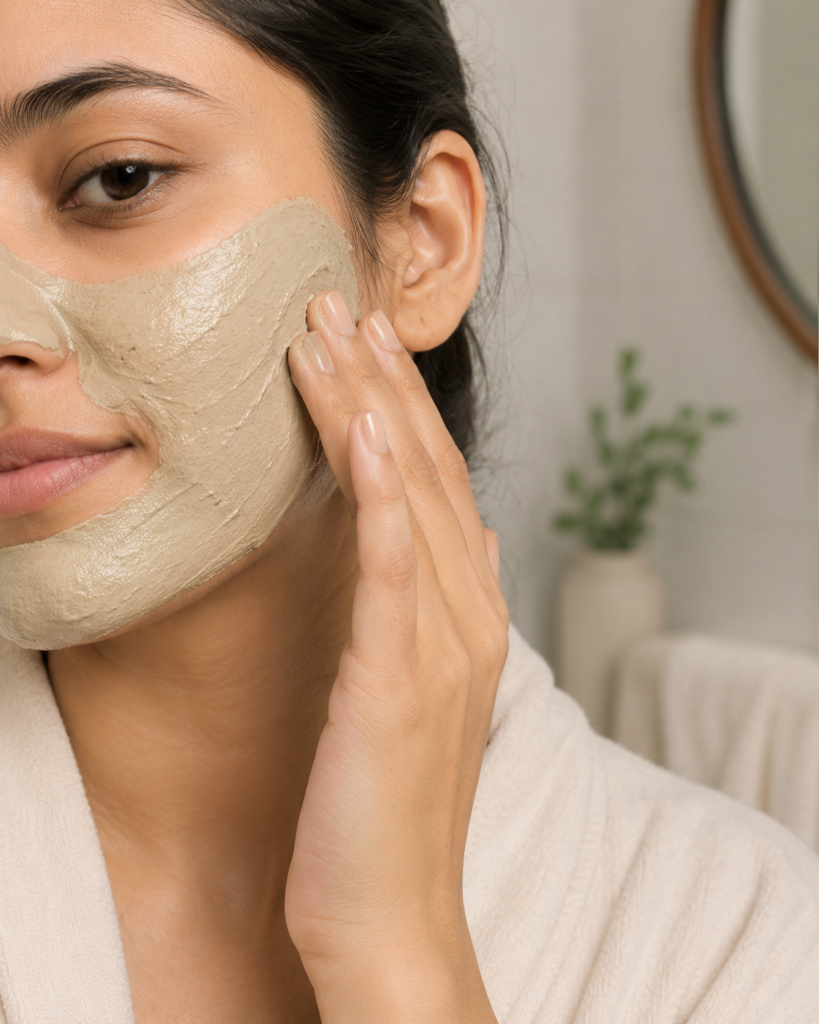
The safest way to use multani mitti is as an occasional face or scalp mask, mixed fresh each time with a liquid suited to your skin type, left on until just slightly damp — not bone dry — and rinsed off gently.
Basic method:
- Mix 1–2 teaspoons of multani mitti powder with rose water, milk, or aloe vera gel to form a smooth, lump-free paste.
- Apply an even layer to clean, dry skin, avoiding the eye area.
- Leave on for 10–15 minutes — stop before it fully hardens and cracks.
- Rinse with lukewarm water using gentle circular motions.
- Follow immediately with a moisturiser.
Best time to use it: Evenings, 2–3 times a week for oily skin, or once a week for combination/normal skin — never right before stepping into strong sun, since freshly exfoliated skin is more sun-sensitive.
Three formats:
- Loose powder (most traditional): Mix fresh each time; most control over consistency.
- Ready-made paste: More convenient but shorter shelf life once opened.
- Soap/cleanser blends: Milder daily option, though less concentrated than a mask.
| Do | Don’t |
|---|---|
| Mix in a glass or ceramic bowl | Use metal bowls or spoons, which some traditions say reduce potency |
| Patch-test on your inner arm first | Apply directly to broken or actively inflamed skin |
| Follow with a moisturiser every time | Let the mask fully dry and crack on your face |
| Use 1–3 times a week | Use as a daily face wash substitute |
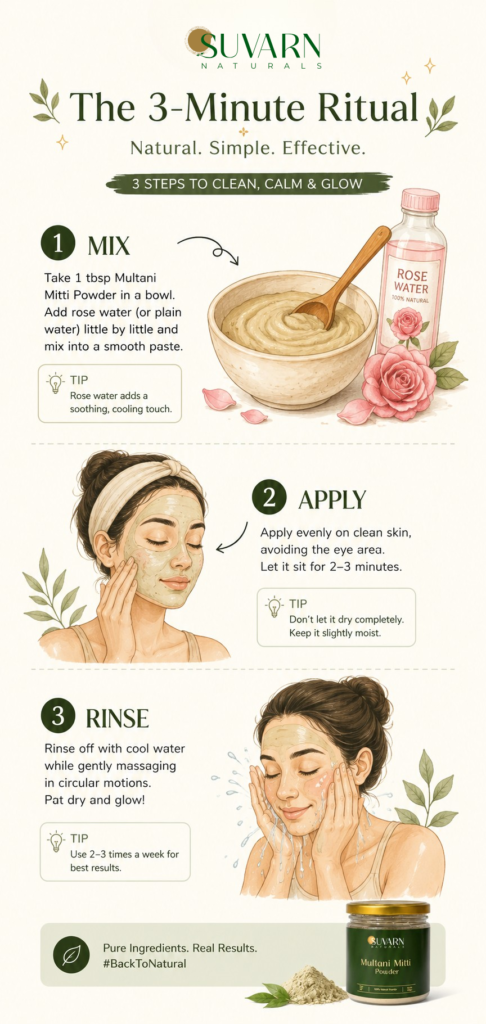
The 3-Minute Multani Mitti Ritual
A no-fuss version for busy mornings or late nights, designed around real routines.
Ingredients
- 1 tsp Suvarn Naturals Multani Mitti Powder
- 1 tsp rose water (or plain water for sensitive skin)
- Optional: a pinch of Suvarn Naturals Sandalwood Powder for extra cooling
Steps
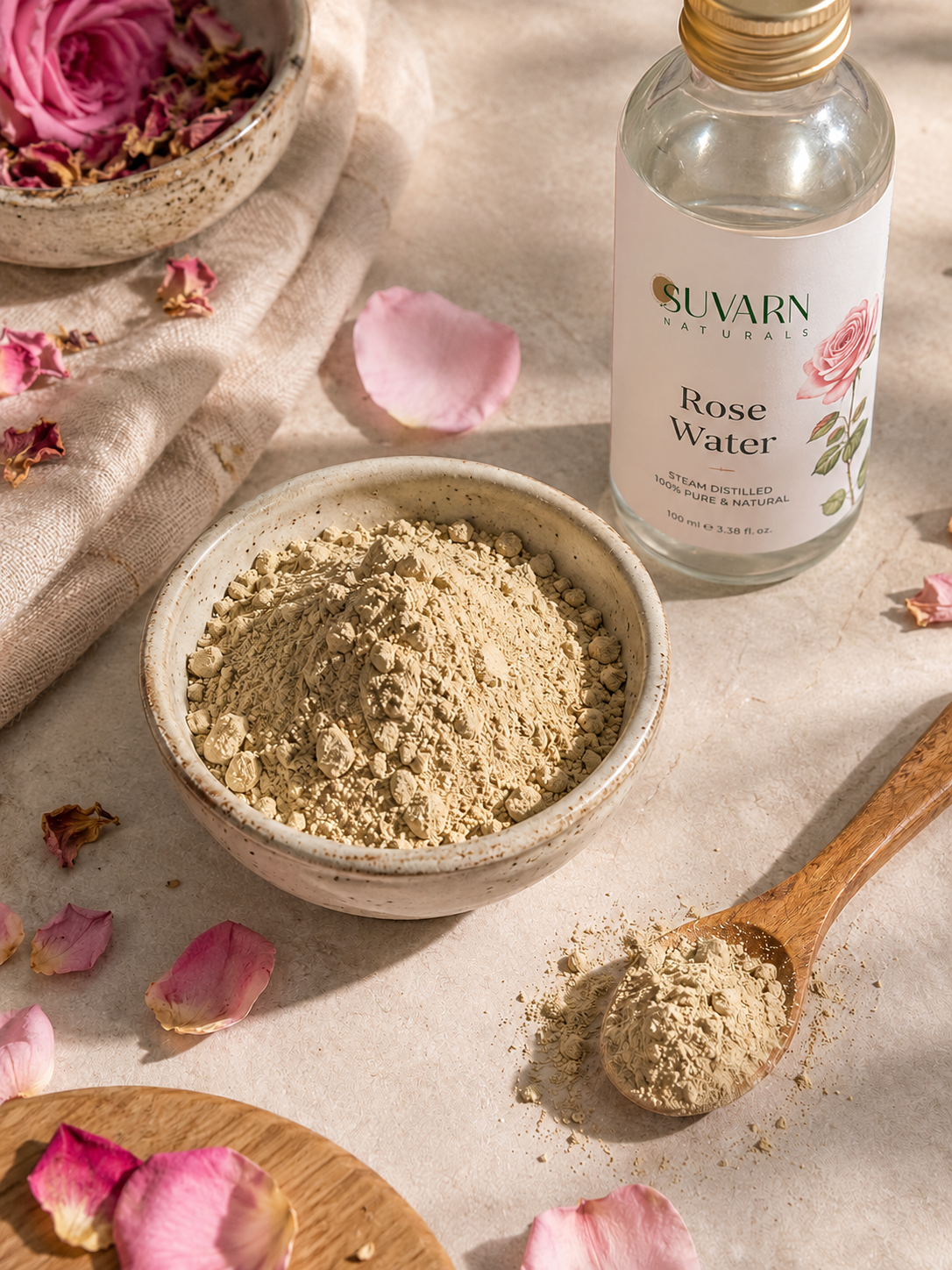
- Minute 1: Mix the powder and rose water into a smooth paste in a small bowl.
- Minute 2: Apply evenly over cleansed skin using your fingertips, avoiding eyes and lips.
- Minute 3: While it sits, splash your neck and hands with cool water — then rinse off the mask and pat dry.
Pro tip: For hormonal breakout weeks, mix with our Neem Powder instead of plain water for its traditionally cleansing properties, or follow up with Orange Peel Powder the next day for gentle brightening.
Multani Mitti vs Alternatives
| Metric | Suvarn Naturals Multani Mitti | Generic Loose Powder | Capsule/Tablet Form | Synthetic Clay Mask |
|---|---|---|---|---|
| Ease of use | Simple, mix-and-apply | Simple but inconsistent grit | Not applicable topically | Ready to use, no mixing |
| Time to visible results | 1–2 uses for oil control | Varies by sourcing | N/A for skin | 1 use, often temporary |
| Skin type suitability | Oily, combination, acne-prone | Unknown purity, risk for sensitive skin | N/A | Broad, but may contain irritants |
| PCOS-friendliness | Supports oil control as part of a routine | Inconsistent quality | Doesn’t address topical oiliness | May contain synthetic fragrance, riskier for reactive skin |
| Cost | Moderate, transparent sourcing | Often cheaper, less traceable | N/A | Usually higher per use |
No option here “cures” hormonal skin — this table compares how each format fits into a realistic weekly routine.
Side Effects and Precautions
Multani mitti is generally well tolerated for external use, but it can cause dryness, irritation, or allergic reactions in some people, so a patch test is essential before your first full application.
- Dryness: Fuller’s earth may cause minor skin irritation in some people, and in large concentrations or with prolonged, repeated exposure, it may cause more serious skin and eye irritation. Always rinse before it fully hardens.
- Inhalation risk: Being a fine powder, it may cause throat or respiratory discomfort if inhaled — mix it in a well-ventilated space, especially if you have asthma.
- Pregnancy/breastfeeding: Topical use is generally considered lower-risk than ingestion, but check with your doctor first, particularly for internal/oral use of any clay, which is not recommended without professional supervision.
- Drug interactions: No well-documented interactions with topical use exist, but oral consumption of clay is not advised due to potential mineral-absorption interference.
- When to see a doctor: If you notice persistent redness, swelling, or breakouts that worsen after use, discontinue and consult a dermatologist rather than continuing to “push through” a reaction.
Myths and Mistakes Women Make With Multani Mitti
- “It’ll instantly cure my acne.” It may help manage surface oil, but hormonal or cystic acne usually needs a dermatologist alongside any home remedy.
- “More is better.” Piling on a thick layer and leaving it for an hour doesn’t deep-clean faster — it just over-dries skin.
- “It lightens my skin tone.” As covered above, this is the biggest myth in the space — it removes buildup, not melanin.
- Skipping the patch test. Even “natural” ingredients can trigger reactions, especially on already-irritated hormonal skin.
- Using it daily as a cleanser. This is the most common mistake in PCOS and hormonal-acne communities — daily use strips natural oils and can trigger a rebound oil surge.
Notes From the Suvarn Naturals Founder
“Over the years, we’ve realised that the best skincare products aren’t necessarily the ones with the longest ingredient lists — they’re the ones that suit your skin type and fit into a consistent routine. At Suvarn Naturals, we focus on simple, recognisable botanical ingredients that can be used in everyday skincare.”
When I first tested our multani mitti formulation, what struck me was the texture — a genuinely fine, silty grind rather than the gritty, inconsistent batches we’d sampled from other suppliers. In our lab, we screen every batch for particle size and check for any grit that could feel abrasive on sensitive skin. We source from suppliers who test for heavy-metal content, because clay is, after all, mined earth — and not all of it is cosmetic-grade. What you get in the jar is meant to feel closer to the version women in Rajasthan and Punjab have used for generations, not a diluted, over-processed version of it.
Frequently Asked Questions
Is multani mitti good for oily skin?
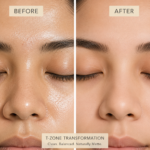
Yes — its adsorbent, clay-based structure is traditionally used to draw out excess oil, making it well suited for oily and combination skin when used 1–3 times a week.
Can multani mitti remove pimples?
It may help manage surface oil and mild breakouts, but it isn’t a treatment for hormonal or cystic acne, which typically needs dermatologist-guided care.
Is multani mitti safe for daily use?
Daily use isn’t generally recommended, as it can over-dry skin and disrupt its natural barrier — 1–3 times a week is the more traditional, safer frequency.
Can I use multani mitti if I have PCOS-related acne?
Many women with PCOS find it useful for surface oil control as part of a broader routine, though it doesn’t address the underlying hormonal cause.
What can I mix with multani mitti for dry skin?
Milk, honey, or aloe vera gel are traditionally used to offset its drying effect, making it gentler for dry or Vata-dominant skin.
Is multani mitti the same as bentonite clay?
They’re closely related clay minerals with similar adsorbent properties, though sourcing, mineral composition, and texture can differ between deposits.
Can multani mitti be used on the scalp for hair fall?
Yes, it’s traditionally used to cleanse an oily scalp, which can indirectly support a healthier environment for hair, though it doesn’t treat hair fall’s hormonal causes.
Does multani mitti help with pigmentation?
It may improve the appearance of surface tan and dullness through gentle exfoliation, but it does not change underlying melanin-driven pigmentation.
Is multani mitti safe during pregnancy?
Topical use is generally considered lower risk, but it’s best to confirm with your doctor first, and internal/oral use should be avoided entirely.
How do I know if multani mitti suits my skin type?
If you’re not sure whether your skin is oily, dry, or combination, it’s worth identifying your skin type first before building any clay-mask routine.
Final Takeaway
Multani mitti powder isn’t a miracle cure, and it’s not meant to be one. What it offers, backed by both generations of Ayurvedic use and emerging clay research, is a simple, low-cost way to manage excess oil and give your skin a reset — especially useful during hormonal shifts, stress weeks, or humid seasons. Start with a patch test, use it 1–3 times a week rather than daily, and pair it with the liquid that suits your skin type. If you’re still unsure where to start, our skin type guide is a good first stop, and our full herbal range is there when you’re ready to build a routine around it.
