Fungal Infections on the Scalp: 7 Causes, Signs & Ayurvedic Fixes

Published: 27July 2026 | By Suvarn Naturals Team
TL;DR
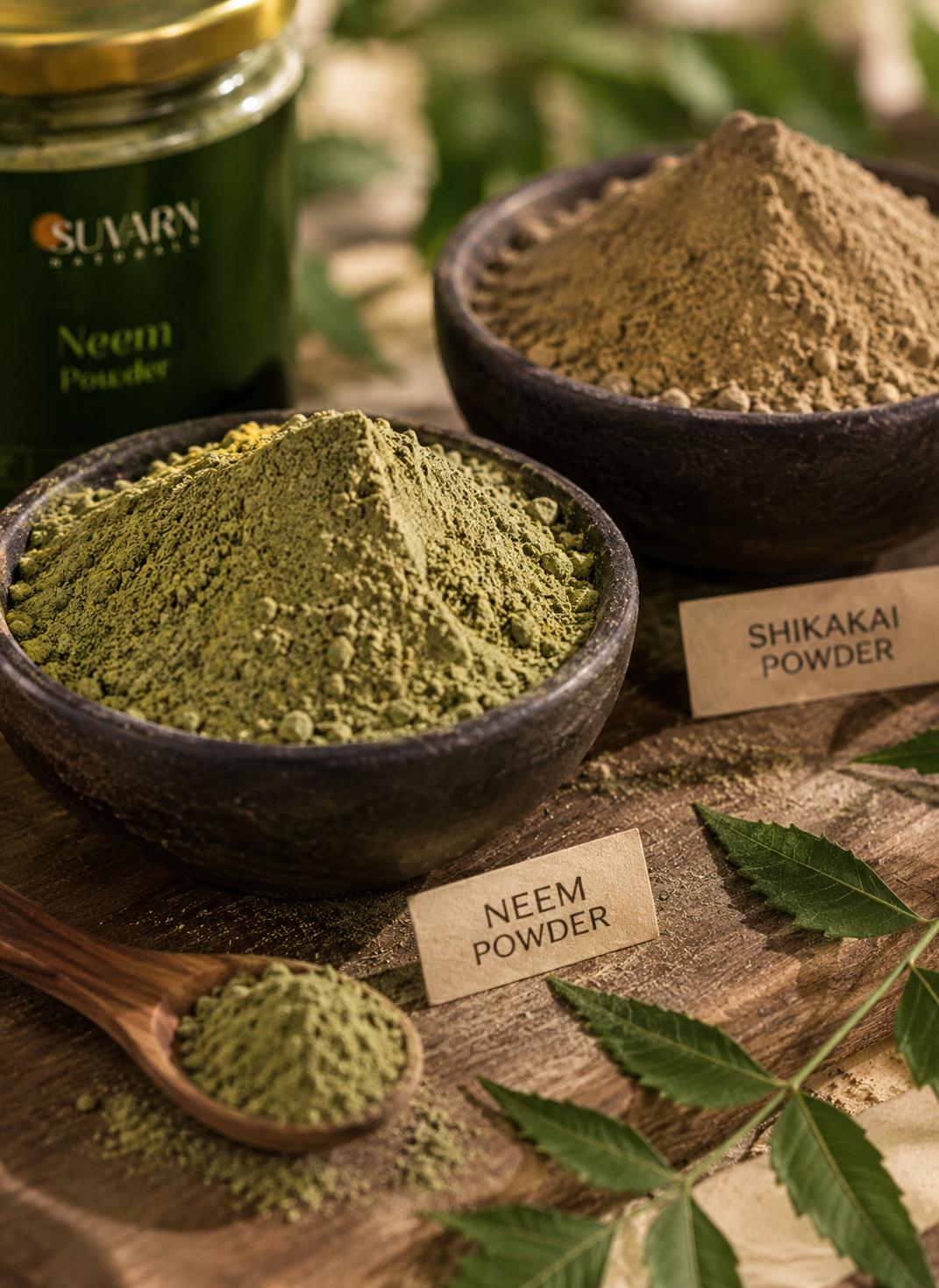
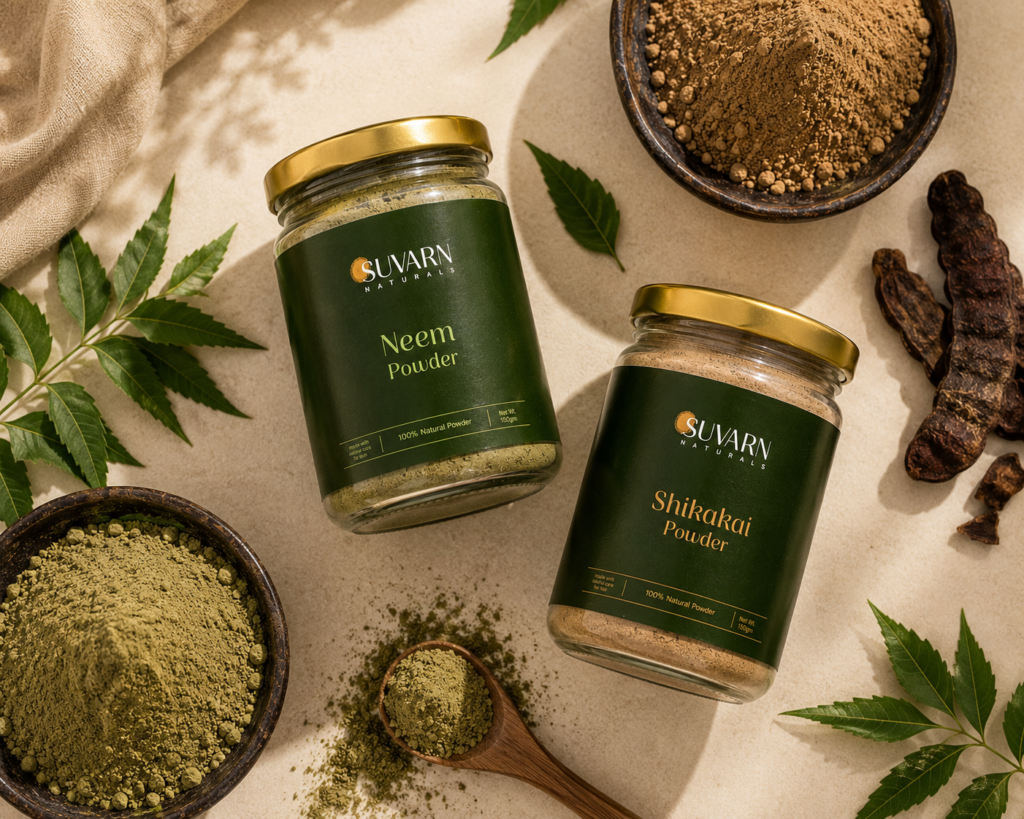
Pro tip: pair your wash routine with our Neem Powder and Shikakai Powder for a gentle, traditional cleanse.
Fungal infections on the scalp cause itching, flaking, redness, or patchy hair loss — usually from an overgrowth of Malassezia yeast, or less often, a dermatophyte (ringworm-type) infection called tinea capitis.
Ayurvedic herbs like Neem and Shikakai have shown antifungal and antimicrobial activity against the organisms linked to fungal infections on the scalp, in lab and clinical studies.
Herbal powders are not a replacement for medical antifungal treatment — a diagnosed fungal infection on the scalp, especially tinea capitis, usually needs a doctor’s prescription.
A simple 3-minute Neem-Shikakai ritual can slot into your weekly hair wash routine without stripping your scalp barrier.
Persistent itching, scaling, or bald patches deserve a dermatologist’s opinion — not guesswork.
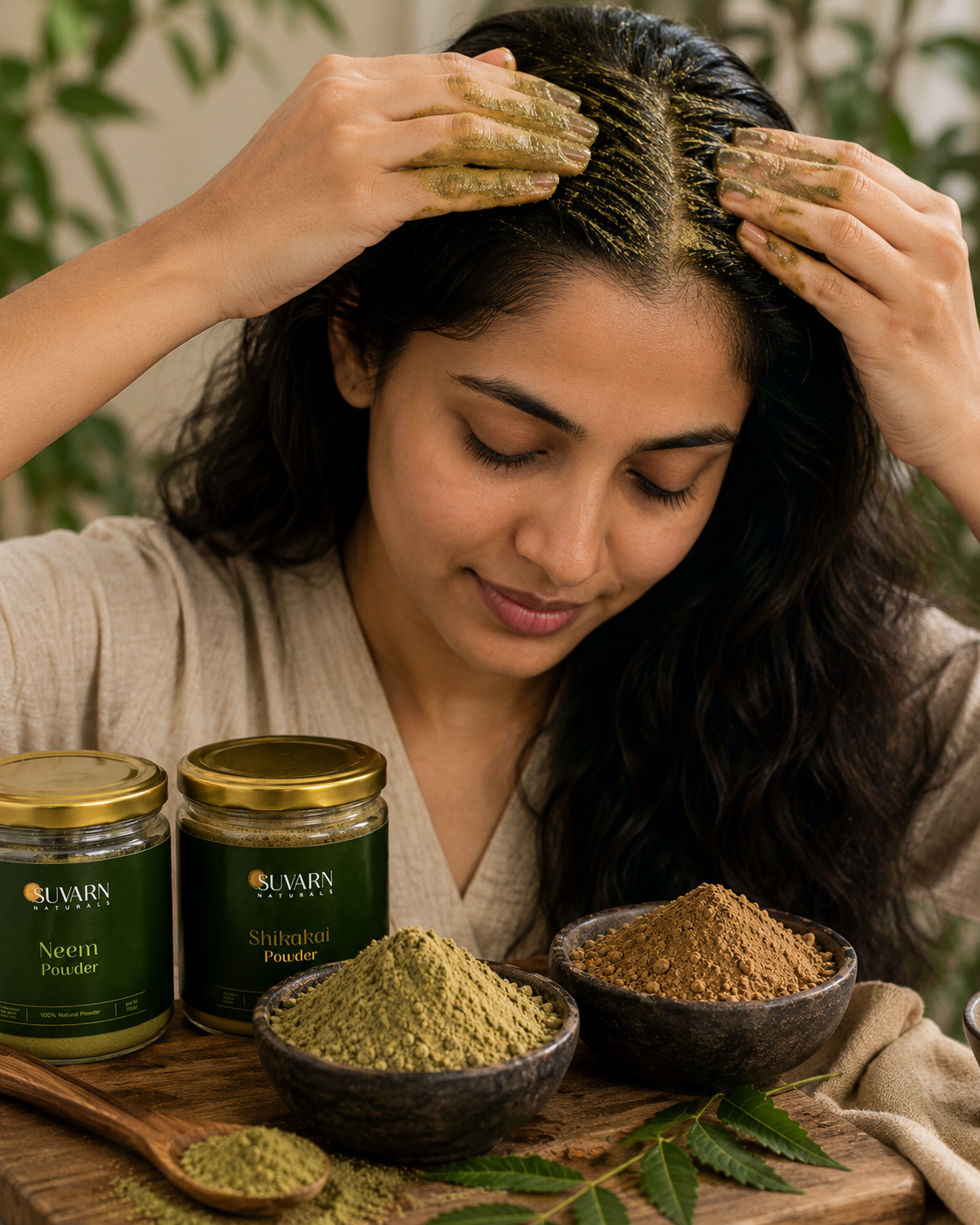
It’s 11pm, you’re scratching your scalp for the tenth time today, and Google isn’t giving you a straight answer. You’re not imagining it — persistent scalp itching and flaking is one of the most searched hair concerns among Indian women, especially during monsoon Fungal infections on the scalp are one of the most searched — and most misunderstood — hair concerns among Indian women, especially during monsoon and humid months. It’s 11pm, you’re scratching your scalp for the tenth time today, and Google isn’t giving you a straight answer. As of 25/07/2026, there’s growing research on how traditional Ayurvedic ingredients interact with the fungi behind these symptoms. This guide walks through what’s actually causing fungal infections on the scalp, what the evidence says about neem and shikakai, and when it’s time to stop DIY-ing and see a doctor.
What Causes Fungal Infections on the Scalp?
Fungal infections on the scalp happen when yeast or fungus overgrows on the skin, causing itching, flaking, redness, or hair thinning in the affected area. The two most common types are dandruff-related Malassezia overgrowth and, less commonly, tinea capitis (ringworm of the scalp).
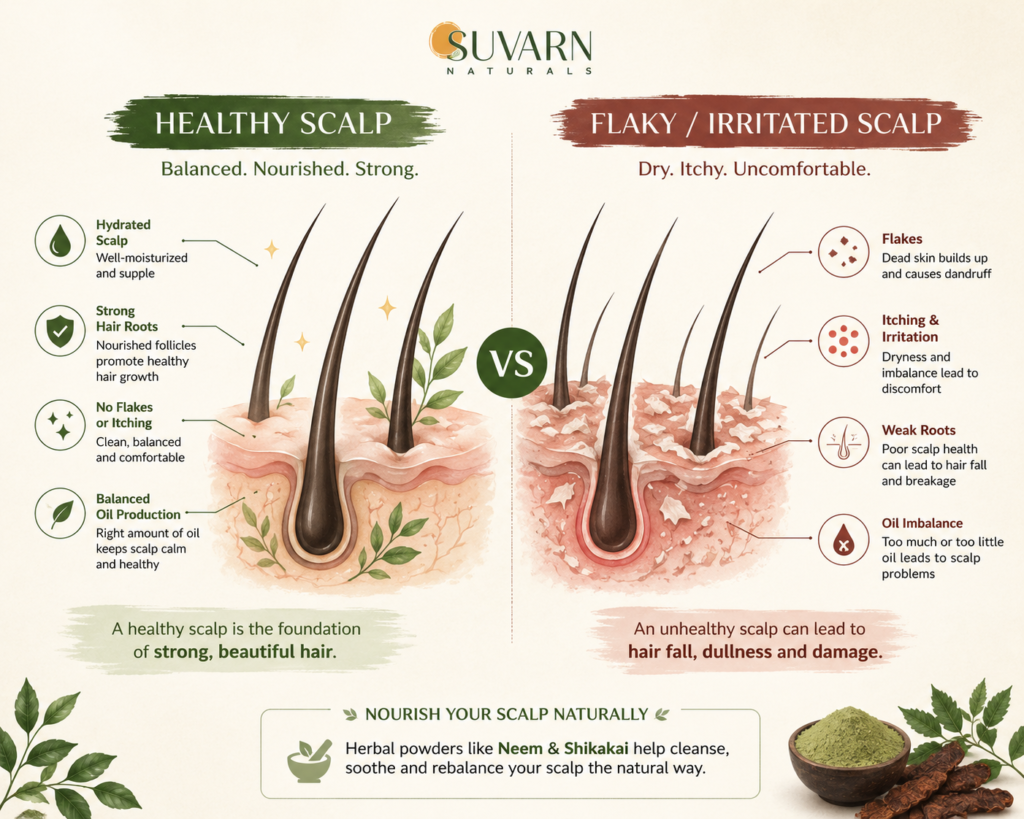
Malassezia is a yeast that lives on everyone’s scalp in small amounts. When it overgrows — often triggered by humidity, oil buildup, or hormonal shifts — it can cause the flaking and itching that shows up as dandruff or seborrheic dermatitis, one of the mildest forms of fungal infections on the scalp. Ayurveda relates this to a Kapha-Pitta imbalance affecting Twak (skin) and Roma (hair follicles). The key botanicals here are neem (Azadirachta indica, Sanskrit: Nimba) and shikakai (Senegalia rugata), both used for centuries as scalp cleansers with documented antimicrobial constituents like nimbidin and saponins.
The Science Behind Fungal Infections on the Scalp — and Ayurveda’s Response
Neem’s antifungal activity against Malassezia and certain dermatophytes has been demonstrated in multiple lab studies, while genuinely diagnosed fungal infections on the scalp, like tinea capitis, still require medical antifungal treatment. Ayurvedic texts describe neem as Krimighna (anti-microbial) and Kushtaghna (skin-clarifying), a framing modern research is beginning to explain through its documented antifungal and anti-inflammatory compounds.
A 2024 randomised study on neem leaf paste found <cite index=”9-1″>a statistically significant reduction in dandruff severity after one week of application compared to a control group</cite>. Separately, in-vitro research combining <cite index=”7-1″>a standardized neem and rosemary extract showed stronger activity against Malassezia furfur and Trichophyton rubrum than the conventional antifungal ketoconazole</cite>. These are promising early findings — not proof that a powder cures a diagnosed infection.
The myth to challenge: Many articles imply that any fungal infection on the scalp means ringworm and needs harsh medical treatment, or the opposite — that any natural remedy can “cure” it. Both oversimplify. Most day-to-day scalp itching and flaking is Malassezia-driven dandruff, which may respond to consistent, gentle care. True dermatophyte infections like tinea capitis are a different, contagious condition that needs a doctor’s diagnosis.
Myth vs Fact
| Myth | Fact |
|---|---|
| Any scalp itching means you have “ringworm” | Most itching and flaking is Malassezia-related dandruff, not tinea capitis |
| Herbal powders can cure diagnosed fungal infections on the scalp | Herbal powders may support scalp hygiene; diagnosed infections need medical antifungals |
| Oiling the scalp heavily fights fungus | Excess oil can worsen Malassezia overgrowth in humid climates |
Benefits for Managing Fungal Infections on the Scalp — Especially for Women
Gentle Antimicrobial Cleansing
Neem powder’s documented antimicrobial compounds may help keep the scalp’s yeast population in balance, particularly useful during monsoon or PCOS-related hormonal flare-ups that trigger fungal infections on the scalp. Quick tip: Use neem powder 2x a week, not daily — overuse can dry out the scalp.
Supports a Calmer, Less Flaky Scalp
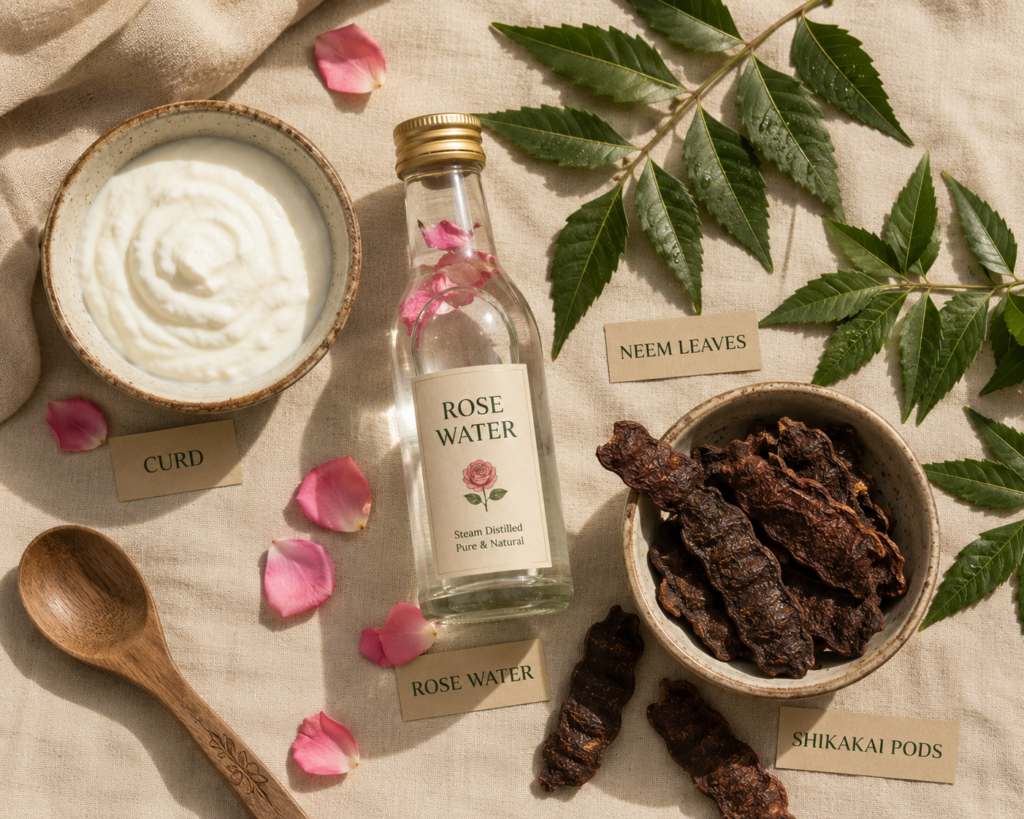
Regular use may help reduce visible flaking and itchiness over time, based on the dandruff studies referenced above. Quick tip: Pair with a light carrier like curd or rose water rather than water alone for sensitive scalps.
Mild, Chemical-Free Cleansing with Shikakai
Shikakai’s natural saponins cleanse without the harsh sulphates that can aggravate an already-irritated scalp barrier. Quick tip: Shikakai lathers less than shampoo — that’s normal, not a sign it isn’t working.
Fits Hormonal and Stress-Related Scalp Changes
Women managing PCOS, postpartum shedding, or exam-season stress often notice scalp sensitivity spike — a gentle herbal routine avoids adding synthetic irritants on top. Quick tip: Track flare-ups against your cycle or stress levels to spot patterns.
Who Should Try This Routine for Fungal Infections on the Scalp?
This routine may suit women dealing with mild dandruff, occasional scalp itching, oily buildup, or those wanting a gentler alternative to medicated shampoo during PCOS, postpartum, or perimenopause.
Not ideal if:
- You have diagnosed tinea capitis or another confirmed fungal infection on the scalp — see a doctor first
- You have open sores, bleeding, or oozing on the scalp
- You’re pregnant or breastfeeding and haven’t checked with your doctor about any new topical routine
- You’ve had an allergic reaction to neem or shikakai before
How to Treat Fungal Infections on the Scalp — Step by Step
Mix neem and shikakai powder into a paste with water or curd, apply to a damp scalp, leave for 15–20 minutes, then rinse thoroughly. Use 2–3 times a week, ideally in the evening before a wash day.
| Do | Don’t |
|---|---|
| Do a patch test before first use | Don’t apply to broken or bleeding skin |
| Use lukewarm water to rinse | Don’t use scalding hot water |
| Follow with a light conditioner on lengths | Don’t skip conditioner if hair feels dry |
| Combine with a soft-bristle massage | Don’t scrub aggressively with nails |
The 3-Minute Ritual for Fungal Infections on the Scalp
★ A quick weekly reset for scalp buildup ★
Show Image
Ingredients
- 2 tbsp Suvarn Naturals Neem Powder
- 2 tbsp Suvarn Naturals Shikakai Powder
- 4–5 tbsp water or plain curd
Steps
- Mix both powders with water or curd into a smooth, lump-free paste.
- Section damp hair and apply the paste directly to the scalp using your fingertips.
- Massage gently in circular motions for 2 minutes to loosen buildup.
- Leave on for 15 minutes while you go about your evening.
- Rinse thoroughly with lukewarm water, then shampoo lightly if needed.
Pro tip: mix with our Rose Water for a calming, fragrance-light rinse that soothes sensitive scalps.
“`html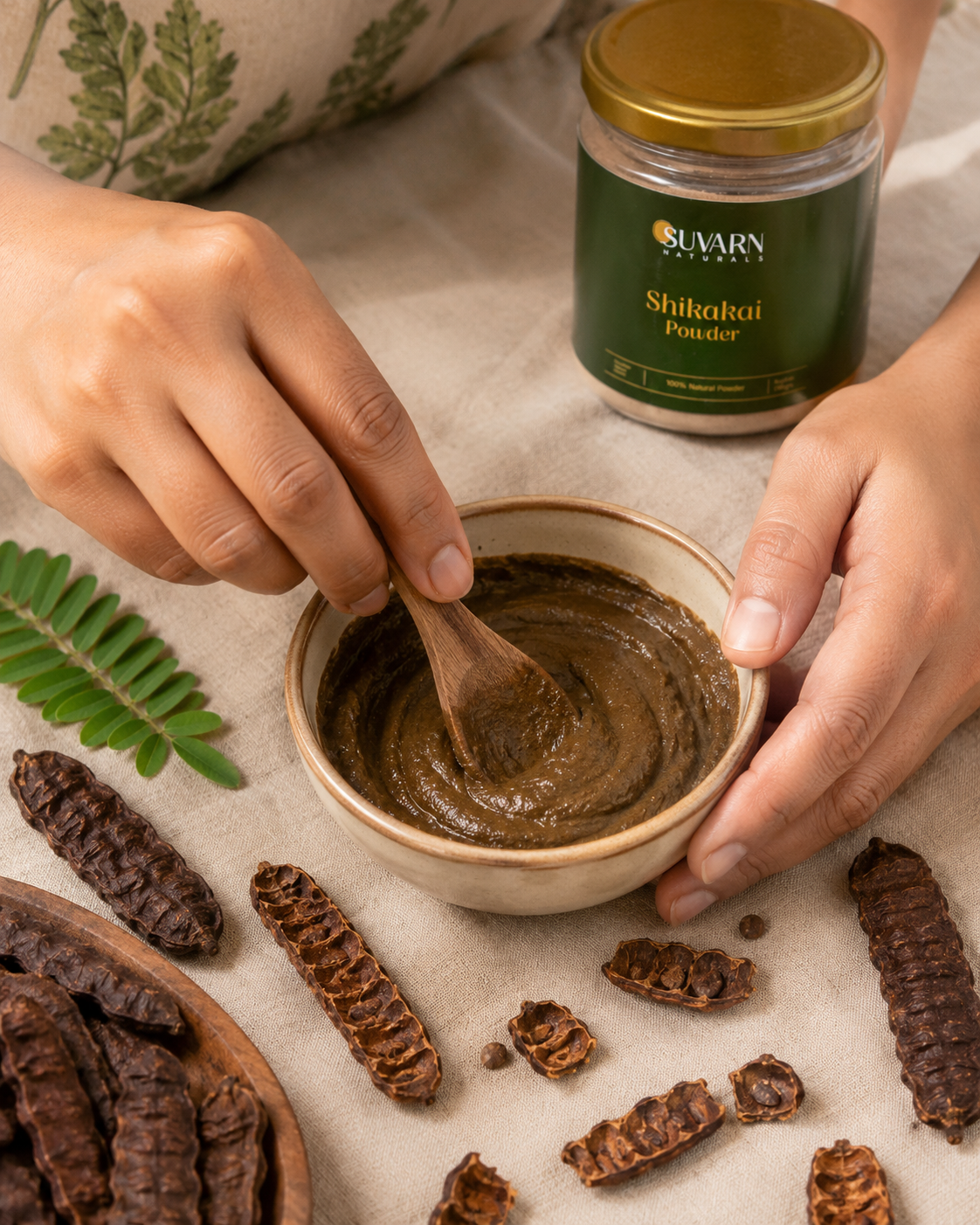
Discover Naturally Healthier Hair with Shikakai Powder
Made from premium-quality Shikakai pods, this traditional Ayurvedic hair care ingredient is ideal for DIY hair masks and natural cleansing routines. Enjoy clean, soft, and refreshed-looking hair with every use.
- ✔ Traditional Ayurvedic Hair Care Ingredient
- ✔ Ideal for DIY Hair Masks & Natural Cleansing
- ✔ Helps Leave Hair Soft, Clean & Manageable
- ✔ 100% Pure with No Additives or Preservatives
Neem-Shikakai Powder vs Alternatives for Fungal Infections on the Scalp
| Metric | Suvarn Naturals Powder | Generic Herbal Powder | Antifungal Capsule | Synthetic Anti-Dandruff Shampoo |
|---|---|---|---|---|
| Ease of use | Moderate (needs mixing) | Moderate | Easy | Very easy |
| Time to visible results | 2–4 weeks | Varies, often untested | Days (prescription-dependent) | 1–2 weeks |
| Skin type suitability | Sensitive, oily | Varies by sourcing | N/A (oral) | Can be drying |
| PCOS-friendliness | Generally gentle | Depends on formulation | Discuss with doctor | Can irritate sensitive scalps |
| Cost | Low-moderate | Low | Prescription cost | Moderate-high |
No option here is a guaranteed cure — a diagnosed fungal infection on the scalp always warrants medical guidance alongside any routine you choose.
Side Effects and Precautions
Neem and shikakai are generally well-tolerated, but some people experience dryness, scalp tightness, or an allergic reaction, especially with frequent use or sensitive skin. Always patch-test on your inner arm 24 hours before scalp use. Avoid use on broken skin, and check with your doctor before trying new topical routines during pregnancy or breastfeeding.
If itching, scaling, redness, or hair loss doesn’t improve within 3–4 weeks, or if you notice spreading round patches, pus, or hair breaking off at the scalp — see a dermatologist. These can be signs of tinea capitis, a more serious form of fungal infection on the scalp that needs prescription oral antifungal medication, not just topical care.
Myths and Mistakes Women Make With Fungal Infections on the Scalp
- Mistake: Assuming all scalp itching is “just dandruff.” Persistent, spreading, or painful patches deserve a proper diagnosis.
- Mistake: Over-washing with the paste daily. This can strip natural oils and worsen irritation.
- Mistake: Mixing in too many strong actives at once (neem, tea tree, apple cider vinegar) — this can overwhelm a sensitive scalp barrier.
- Mistake: Skipping the patch test because “it’s natural, so it’s safe.” Natural ingredients can still cause allergic reactions.
- Mistake: Stopping prescribed antifungal treatment early because symptoms look better, and relying only on herbal powder instead.
Notes from the Suvarn Naturals Founder
A healthy scalp starts with good hygiene and a consistent hair care routine. While herbal ingredients can be part of regular scalp care, persistent itching, scaling, or patchy hair loss should always be evaluated by a qualified healthcare professional.
When I first tested this neem-shikakai blend batch, what stood out was the texture — a fine, consistent powder that doesn’t clump or turn gritty when mixed with water. In our lab, we noticed the earthy neem scent mellows once combined with shikakai, making the paste far more pleasant to sit with for those 15 minutes. We source both leaves through small-batch suppliers and test each lot for microbial safety before it reaches you, because a product meant to support scalp care for fungal infections on the scalp has to meet a higher bar than one meant for the skin of the body.
Frequently Asked Questions
Can neem powder cure a fungal scalp infection?
Neem powder may support scalp hygiene and has shown antifungal activity in lab studies, but it isn’t a substitute for medical treatment of a diagnosed fungal infection like tinea capitis.
Is scalp itching always a fungal infection?
No. Itching can come from dryness, product buildup, allergic reactions, or psoriasis, alongside fungal causes like dandruff or tinea capitis. A dermatologist can confirm the cause..
How often should I use neem and shikakai powder?
Most people find 2–3 times a week works well without over-drying the scalp; daily use may be too stripping for some.
Can shikakai powder replace shampoo entirely?
Yes for many people, though it lathers less and may need a longer rinse to remove buildup fully.
Is this routine safe during PCOS or postpartum hair fall?
It’s generally gentle, but hormonal hair and scalp changes are best discussed with your doctor, especially if shedding is heavy.
Can I use neem powder if I’m pregnant?
Check with your doctor before starting any new topical routine during pregnancy, even with natural ingredients.
What’s the difference between dandruff and tinea capitis?
Dandruff is usually diffuse flaking from Malassezia yeast; tinea capitis is a contagious dermatophyte infection that can cause round patches of hair loss and needs prescription treatment.
Will this routine help with hair fall too?
A cleaner, less irritated scalp may support a healthier growth environment, but it won’t reverse hair fall caused by other factors like genetics or thyroid issues.
How do I know if I need to see a doctor?
See a doctor if symptoms persist beyond 3–4 weeks, spread, cause pain or pus, or come with noticeable bald patches.
Can men use the same neem-shikakai ritual?
Yes, the routine and precautions apply the same way, regardless of gender.
Final Takeaway
Fungal infections on the scalp are common, uncomfortable, and often misunderstood — but you don’t need to choose between “just use chemicals” or “just go natural.” A gentle, consistent neem-shikakai routine may support scalp hygiene and comfort as part of your regular hair care, while genuinely diagnosed infections deserve a dermatologist’s care and proper treatment. Start small: patch test, try the 3-minute ritual once this week, and watch how your scalp responds. If you’re ready to try it, our Neem Powder and Shikakai Powder are a simple place to begin.
