
Sandalwood Powder: The Science-Backed Skin Secret Your Routine Has Been Missing

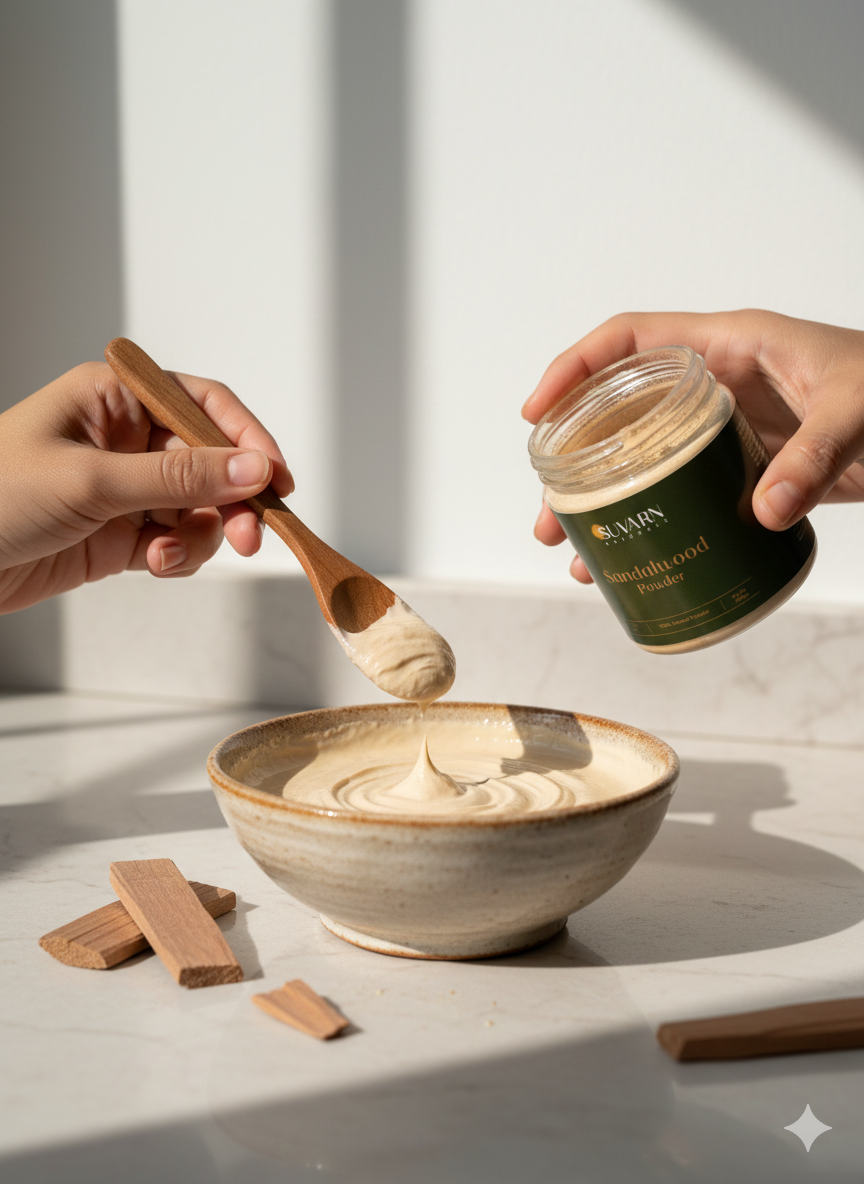
Close your eyes for a moment. Imagine the scent—warm, woody, quietly calming. Chances are it takes you back somewhere: a grandmother’s dresser, a temple, a memory you can’t quite name but somehow trust.
That scent is sandalwood. And for thousands of years, the powder made from its heartwood has been one of the most treasured ingredients in Ayurvedic skincare, traditional medicine, and natural beauty rituals across India and beyond.
But here’s the thing: most blogs about sandalwood powder cover only the surface. They list benefits without explaining why they work. They give DIY recipes without telling you which one suits your skin type. They leave out the side effects, skip the science, and don’t tell you what separates pure sandalwood powder from adulterated junk.
This guide changes that. Whether you’re dealing with acne, dark spots, dull skin, oily T-zones, or just looking for a clean, time-tested addition to your skincare toolkit—you’ll find everything you need here, backed by both Ayurvedic tradition and modern research.
What Is Sandalwood Powder?
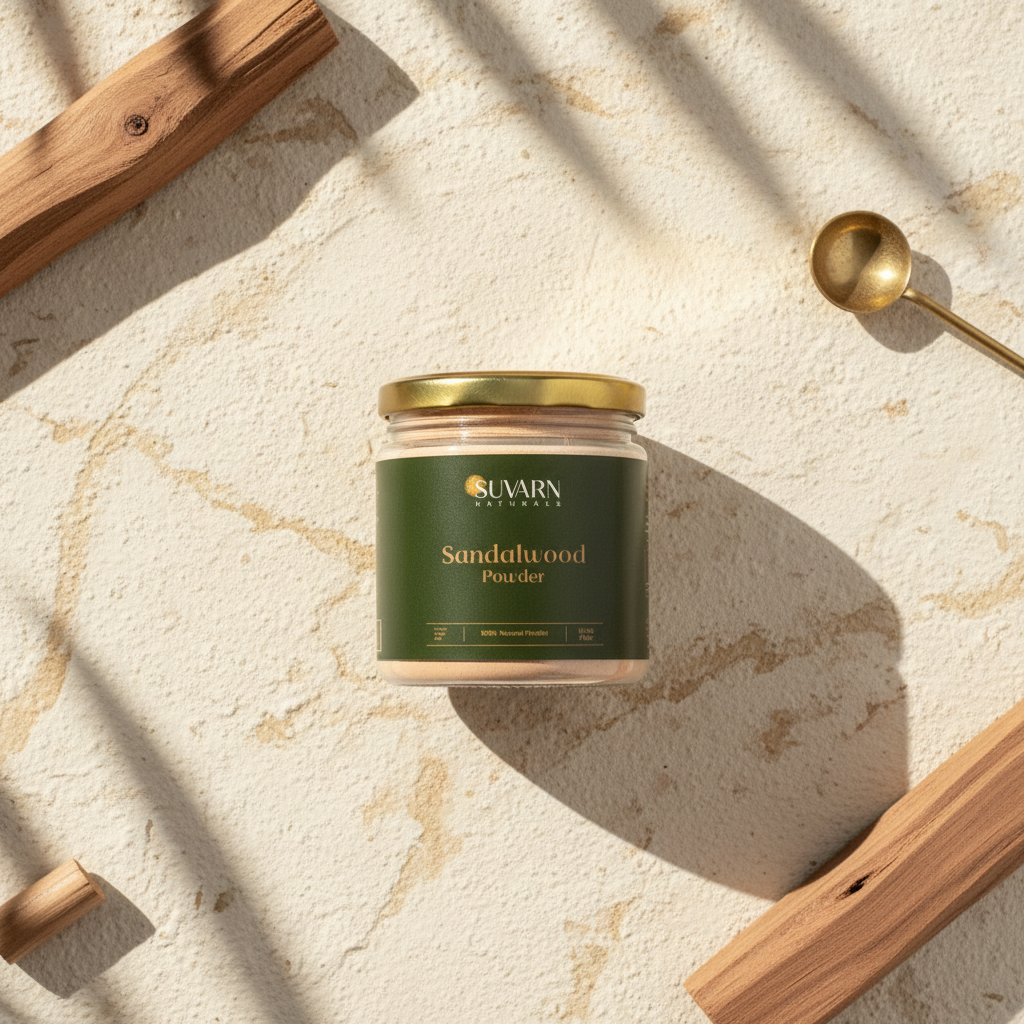
Sandalwood powder is derived from the heartwood of the sandalwood tree, primarily Santalum album—the Indian white sandalwood—which is native to South India and grows across the Western Ghats, Karnataka, and Tamil Nadu. The dried heartwood is finely ground into a pale, smooth powder with a characteristic earthy fragrance.
What makes sandalwood botanically fascinating is that it’s a hemiparasite—it cannot grow without attaching to the roots of host plants like neem, rosewood, or bamboo for nutrients. This unusual biology contributes to the slow, complex development of its aromatic compounds, which peak in trees aged 50–80 years.
“`html
Reveal Naturally Glowing Skin with Sandalwood Powder
Trusted for generations in Ayurvedic skincare, Sandalwood Powder helps refresh your skin, supports an even-looking complexion, and is perfect for DIY face packs.
- ✔ Premium Quality Herbal Powder
- ✔ Ideal for Face Packs & Skincare Rituals
- ✔ No Artificial Colors or Fragrances
- ✔ Suitable for Regular Beauty Use
The two main types you’ll encounter are:
- White sandalwood (Santalum album) – The gold standard for skincare. Lighter in colour, finer in texture, and rich in alpha-santalol (α-santalol) and beta-santalol (β-santalol). These sesquiterpene compounds drive most of its therapeutic and cosmetic effects.
- Red sandalwood (Pterocarpus santalinus) – Darker, slightly coarser, and botanically different (a separate genus). Widely used in Ayurvedic formulations for its astringent and blood-purifying properties, particularly for oily and acne-prone skin.
In Ayurveda, sandalwood—called Chandana—is classified as tridoshic: it pacifies all three doshas (Vata, Pitta, and Kapha), with a primary affinity for cooling aggravated Pitta, which governs inflammation, heat, and skin irritation.
Scientifically, sandalwood powder has been studied for anti-inflammatory, antioxidant, antimicrobial, and antiproliferative properties. It is second only to African Blackwood as the costliest wood in the world, in part because cultivation is government-regulated in India.
Benefits of Sandalwood Powder: What the Science Actually Says
Let’s be clear from the start: many sandalwood benefits are well-supported by traditional use and emerging clinical research, but some claims on the internet outpace the evidence. Here’s an honest, evidence-led breakdown.
1. Fights Acne and Reduces Breakouts
Sandalwood powder contains natural antimicrobial and antibacterial compounds—particularly alpha-santalol—that help inhibit the growth of acne-causing bacteria like Propionibacterium acnes. Its anti-inflammatory properties simultaneously reduce the redness and swelling around active breakouts.
Unlike harsh chemical acne treatments, sandalwood works gently. It doesn’t strip your skin’s natural oils. It dries out pimples while maintaining the skin’s moisture barrier—making it suitable even for sensitive, acne-prone skin.
2. Brightens Skin and Fades Dark Spots
Alpha-santalol is a natural inhibitor of tyrosinase, the enzyme responsible for producing melanin. By slowing melanin overproduction, sandalwood powder gradually reduces hyperpigmentation, dark spots, uneven skin tone, and post-acne marks.
This isn’t an overnight fix—but regular use (2–3 times a week) over 4–6 weeks shows visible improvement in skin tone, particularly when combined with brightening ingredients like turmeric or lemon.
3. Powerful Anti-Inflammatory Action
A 2018 study published in Frontiers in Pharmacology found that East Indian sandalwood oil functions as a phosphodiesterase inhibitor—a mechanism that reduces inflammatory signaling in the skin. In a clinical trial of paediatric patients with atopic dermatitis (eczema), over 75% showed a 50% or greater improvement in symptoms after using a sandalwood oil formulation.
For everyday use, sandalwood powder paste applied to irritated, sunburned, or inflamed skin provides a rapid cooling, soothing effect—consistent with its Ayurvedic classification as a shishira (cooling) ingredient.
4. Anti-Aging: Protects Collagen and Fights Free Radicals
Sandalwood’s antioxidant activity has been shown to outperform Vitamin E in some studies—a remarkable benchmark. Its terpenoid compounds protect skin cells from oxidative stress caused by UV exposure, pollution, and environmental aggressors.
Beyond passive protection, scientific testing has demonstrated that sandalwood can stimulate cell-cycle arrest—essentially intercepting the division of damaged skin cells to make way for the regeneration of new, healthy ones. This mechanism supports younger-looking, more resilient skin over time.
5. Controls Excess Oil Without Over-Drying
Sandalwood powder acts as a natural astringent. It tightens pores, absorbs excess sebum, and helps regulate the skin’s oil production—without the dryness and irritation that synthetic astringents often cause. This makes it ideal for oily skin and combination T-zones.
6. Gentle Exfoliation and Deep Cleansing
The fine granular texture of sandalwood powder provides mild mechanical exfoliation when massaged onto the skin. This removes dead skin cells, unclogs pores, and improves the absorption of other active ingredients. It’s far gentler than walnut or apricot scrubs—meaning less micro-tearing on sensitive skin.
7. Calms the Mind and Supports Sleep
The sesquiterpenes in sandalwood—particularly alpha-santalol—interact with receptors in the brain that regulate alertness and relaxation. Inhaling sandalwood’s aroma has been shown to physically relax the body (lowering systolic blood pressure) while behaviourally increasing feelings of alertness and calm—a paradoxical but well-documented dual effect.
Research also suggests that sandalwood can extend the duration of non-REM sleep stages, which are responsible for physical restoration. This makes it a powerful aromatherapy tool for anyone dealing with stress-related skin concerns.
8. Soothes Skin Conditions (Eczema, Psoriasis, Sunburn)
For chronic skin conditions like eczema and psoriasis, sandalwood’s anti-inflammatory and antimicrobial combination helps reduce the severity of flares, itching, and redness when applied topically. It’s non-irritating enough for most skin types and historically used across Ayurvedic, Hawaiian, and traditional Chinese medicinal systems for inflammatory skin diseases.
How Sandalwood Powder Works: Mechanism, Tradition, and Modern Science
The Chemistry Behind the Benefits
Sandalwood’s power lies in two primary bioactive compounds: alpha-santalol (α-santalol) and beta-santalol (β-santalol). These sesquiterpene alcohols make up roughly 90% of the essential oil extracted from the heartwood.
- α-Santalol: Drives anti-inflammatory, antimicrobial, tyrosinase-inhibiting (skin brightening), and antioxidant effects. Also shown to have antiproliferative effects in preclinical research on damaged skin cells.
- β-Santalol: Contributes to the fragrance profile and has complementary anti-inflammatory properties.
- Terpenoids: Protect the skin from environmental stressors—essentially the tree’s own defense chemicals repurposed for human skin.
When the heartwood is ground into powder, these compounds remain active and bioavailable. When mixed into a paste with water, rosewater, or milk and applied to the skin, they penetrate the surface layers to exert their effects.
Ayurvedic Mechanism: The Dosha Connection
In Ayurveda, most skin problems—acne, inflammation, hyperpigmentation, heat rashes—are attributed to aggravated Pitta dosha. Sandalwood’s shishira (cooling), laghu (light), and snigdha (unctuous) qualities directly pacify excess Pitta.
The Vedic scriptures record the use of chandan paste on the forehead to cool Sadhaka Pitta—the sub-dosha governing emotional balance. This is consistent with modern findings that sandalwood reduces cortisol-driven skin inflammation and lowers blood pressure when inhaled.
Competitor Claims vs. Reality
Many brands and blogs claim sandalwood ‘whitens’ skin or ‘removes tan permanently.’ Here’s the honest truth:
- Sandalwood does not bleach skin or alter your natural melanin permanently. It regulates overactive melanin production, which means it reduces dark spots and uneven pigmentation—not your natural skin tone.
- Sandalwood is not a substitute for sunscreen. Its protective antioxidant properties complement SPF but don’t replace it.
- Sandalwood does not cure eczema or psoriasis. It can significantly reduce symptom severity, but medical conditions require professional treatment.
Honest positioning builds more trust than exaggerated claims—and that’s a value Suvarn Naturals holds at its core.
Who Should Use Sandalwood Powder?
Ideal Candidates
- People with oily or acne-prone skin: The antimicrobial and oil-controlling properties directly address the root causes of breakouts.
- Anyone dealing with hyperpigmentation, dark spots, or uneven skin tone: Alpha-santalol’s tyrosinase-inhibiting action offers natural, gradual brightening.
- Those with sensitive or reactive skin: Sandalwood’s cooling, anti-inflammatory nature makes it one of the safest herbal ingredients for sensitive skin—when used correctly.
- Individuals with dull, stressed, or pollution-damaged skin: Its antioxidant compounds reverse environmental damage and restore radiance.
- People seeking natural, Ayurvedic alternatives to chemical skincare: Sandalwood powder is free of parabens, synthetic fragrances, and harsh chemicals.
- Those managing stress or poor sleep with aromatherapy: The fragrance alone has clinically documented calming and alertness-enhancing effects.
Who Should Proceed with Caution
- Pregnant or breastfeeding women: Topical use is generally considered safe, but oral consumption should be avoided. Always consult your healthcare provider.
- People with known tree or nut allergies: A patch test is essential before first use.
- Those with kidney disease: Sandalwood taken internally (not topically) may worsen kidney conditions. Topical use is generally unrelated.
- Very dry skin types: Sandalwood powder alone can be drying. Always pair it with moisturising bases like milk, honey, or aloe vera.
How to Use Sandalwood Powder: Step-by-Step Recipes by Skin Type
These are time-tested, dermatologist-friendly DIY recipes. Always perform a patch test 24 hours before full application—apply a small amount to the inner wrist and check for any reaction.
The Basic Recipe (All Skin Types)
- Mix 1–2 teaspoons of pure sandalwood powder in a clean bowl.
- Add rosewater gradually, stirring until you get a smooth paste (not too thick, not runny).
- Cleanse your face thoroughly and pat dry.
- Apply the paste evenly with clean fingertips or a face mask brush, avoiding the eye and lip area.
- Leave on for 15–20 minutes, or until mostly dry.
- Rinse off with lukewarm water using gentle circular motions to allow mild exfoliation.
- Follow with your regular moisturiser.
- Frequency: 2–3 times per week for best results.
For Oily & Acne-Prone Skin
- Mix: 1 tsp sandalwood powder + 1 tsp multani mitti (fuller’s earth) + rosewater
- Optional add: a few drops of lemon juice OR a pinch of gram flour
- Why it works: Multani mitti absorbs excess oil and unclogs pores; sandalwood soothes and prevents new breakouts.
For Dry & Mature Skin
- Mix: 1 tsp sandalwood powder + 1 tsp raw honey + a few drops of milk
- Optional add: a drop of almond oil
- Why it works: Honey is a humectant that draws moisture into the skin; milk lactic acid gently exfoliates while sandalwood nourishes.
For Sensitive & Inflamed Skin
- Mix: 1 tsp sandalwood powder + rosewater + 1 tsp aloe vera gel
- Skip: lemon juice, strong essential oils, or turmeric (which can stain)
- Why it works: Aloe vera’s cooling, healing properties combined with sandalwood’s anti-inflammatory action calm redness and irritation without aggravating reactive skin.
For Dull Skin & Brightening
- Mix: 1 tsp sandalwood powder + pinch of turmeric + rosewater
- Optional add: a few drops of lemon juice (if skin is not sensitive)
- Why it works: Turmeric and sandalwood are both tyrosinase inhibitors that work synergistically to brighten skin tone.
For Dark Spots & Tan Removal
- Mix: 1 tsp sandalwood powder + 1 tsp orange peel powder + yogurt
- Why it works: Vitamin C in orange peel combines with sandalwood’s melanin-regulating properties for visible spot reduction over 4–6 weeks.
Key Dos and Don’ts
Do:
- Always use 100% pure sandalwood powder with no fillers or synthetic fragrance
- Store powder in a cool, dry place away from moisture
- Follow up with SPF in the morning, especially after brightening packs
- Be consistent—herbal skincare works gradually, not overnight
Don’t:
- Leave the pack on overnight—can cause excessive drying
- Use on broken, bleeding, or severely irritated skin
- Use internally without consulting an Ayurvedic practitioner
- Expect results in one application—herbal care requires patience
Side Effects & Precautions: What Nobody Tells You
Sandalwood powder is one of the safest herbal skincare ingredients available—but no ingredient is completely without risk. Being informed is part of responsible skincare.
Possible Topical Side Effects
- Contact dermatitis: A small percentage of people may experience itching, redness, or rash upon contact. This is most common with low-quality, adulterated products containing synthetic fragrance or additives.
- Dryness: Used too frequently without a moisturising base, sandalwood powder can dry out the skin—especially in already-dry skin types.
- Sun sensitivity: After any brightening treatment (especially those with lemon), your skin may be slightly more sensitive to UV. Always apply SPF before going out.
Side Effects of Oral Consumption
- Oral sandalwood is classified as possibly unsafe when taken in medicinal doses for more than 6 weeks.
- Side effects can include nausea, itching, blood in urine, and—with prolonged use—potential kidney strain.
- Important: These concerns apply to internal consumption, not topical skincare use.
Contraindications
- Pregnancy: Avoid oral consumption of sandalwood. Topical use should be discussed with your doctor.
- Kidney disease: Do not use sandalwood orally if you have any kidney condition.
- Lithium medication: Sandalwood has mild diuretic properties that may affect lithium levels in the body. Consult your physician if you’re on lithium.
Patch Test Protocol
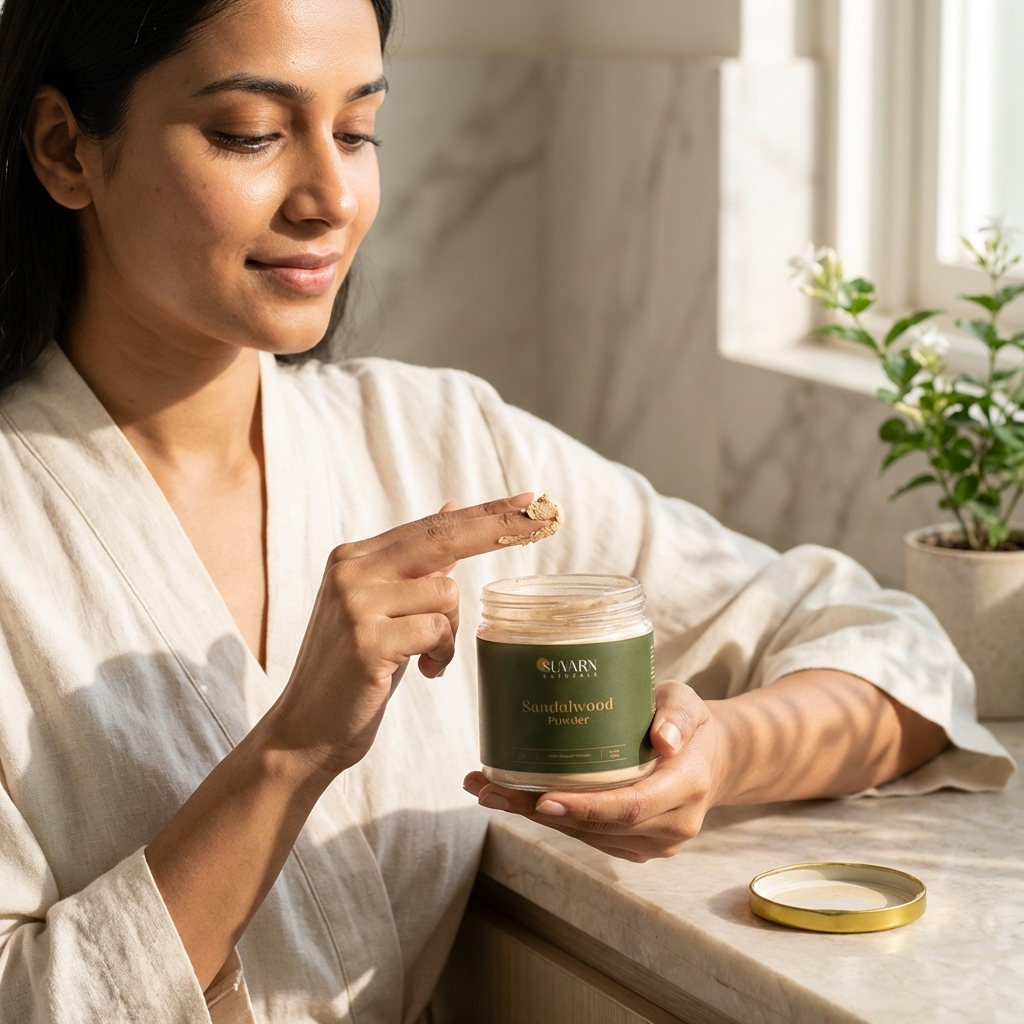
Before using any sandalwood powder product for the first time: apply a pea-sized amount to the inner wrist or behind the ear. Wait 24 hours. If there is no redness, itching, or swelling—you’re safe to use it on your face.
Sandalwood Powder vs. Alternatives: An Honest Comparison
How does sandalwood powder stack up against other popular herbal skincare powders? Here’s a clear, unbiased comparison.
Sandalwood Powder vs. Multani Mitti (Fuller’s Earth)
- Multani Mitti excels at deep cleansing, oil absorption, and pore unclogging. It’s the superior choice for oily skin days.
- Sandalwood Powder excels at soothing, brightening, anti-ageing, and calming inflammation. It’s the better choice for comprehensive skin health.
- The winning combination: Use both together for oily, acne-prone skin—multani mitti draws out impurities; sandalwood heals and soothes what’s left.
Sandalwood Powder vs. Turmeric
- Turmeric is a more potent anti-inflammatory with stronger antimicrobial action, but it can stain the skin yellow and is too strong for very sensitive skin.
- Sandalwood Powder offers gentler, fragrant brightening without the staining risk and with better skin-feel.
- The winning combination: A pinch of turmeric + sandalwood powder is one of the most effective natural brightening duos in Ayurvedic skincare.
Sandalwood Powder vs. Rose Hip Powder
- Rose hip powder is exceptionally high in Vitamin C and is one of the most powerful natural anti-ageing and brightening ingredients available.
- Sandalwood powder offers a more rounded approach—soothing, anti-bacterial, oil-controlling, and antioxidant—without the potency risks of high Vitamin C.
- Best for: If your primary concern is anti-aging and brightening, rosehip wins on potency. If your concern is acne, inflammation, or holistic skin health, sandalwood is the more versatile choice.
White Sandalwood vs. Red Sandalwood: Which Should You Choose?
- White sandalwood (Santalum album): Finer texture, milder scent, higher alpha-santalol content, better for sensitive, dry, and normal skin.
- Red sandalwood (Pterocarpus santalinus): Slightly coarser, more astringent, better for oily, acne-prone, and combination skin.
- Suvarn Naturals sources premium white sandalwood (Santalum album) from its native growing regions in South India—third-party tested for purity, without fillers, synthetic fragrance, or artificial colour.
Sandalwood Powder: The Science-Backed Skin Secret Your Routine Has Been Missing
Close your eyes for a moment. Imagine the scent—warm, woody, quietly calming. Chances are it takes you back somewhere: a grandmother’s dresser, a temple, a memory you can’t quite name but somehow trust.
That scent is sandalwood. And for thousands of years, the powder made from its heartwood has been one of the most treasured ingredients in Ayurvedic skincare, traditional medicine, and natural beauty rituals across India and beyond.
But here’s the thing: most blogs about sandalwood powder cover only the surface. They list benefits without explaining why they work. They give DIY recipes without telling you which one suits your skin type. They leave out the side effects, skip the science, and don’t tell you what separates pure sandalwood powder from adulterated junk.
This guide changes that. Whether you’re dealing with acne, dark spots, dull skin, oily T-zones, or just looking for a clean, time-tested addition to your skincare toolkit—you’ll find everything you need here, backed by both Ayurvedic tradition and modern research.
What Is Sandalwood Powder?
Sandalwood powder is derived from the heartwood of the sandalwood tree, primarily Santalum album—the Indian white sandalwood—which is native to South India and grows across the Western Ghats, Karnataka, and Tamil Nadu. The dried heartwood is finely ground into a pale, smooth powder with a characteristic earthy fragrance.
What makes sandalwood botanically fascinating is that it’s a hemiparasite—it cannot grow without attaching to the roots of host plants like neem, rosewood, or bamboo for nutrients. This unusual biology contributes to the slow, complex development of its aromatic compounds, which peak in trees aged 50–80 years.
The two main types you’ll encounter are:
- White sandalwood (Santalum album) – The gold standard for skincare. Lighter in colour, finer in texture, and rich in alpha-santalol (α-santalol) and beta-santalol (β-santalol). These sesquiterpene compounds drive most of its therapeutic and cosmetic effects.
- Red sandalwood (Pterocarpus santalinus) – Darker, slightly coarser, and botanically different (a separate genus). Widely used in Ayurvedic formulations for its astringent and blood-purifying properties, particularly for oily and acne-prone skin.
In Ayurveda, sandalwood—called Chandana—is classified as tridoshic: it pacifies all three doshas (Vata, Pitta, and Kapha), with a primary affinity for cooling aggravated Pitta, which governs inflammation, heat, and skin irritation.
Scientifically, sandalwood powder has been studied for anti-inflammatory, antioxidant, antimicrobial, and antiproliferative properties. It is second only to African Blackwood as the costliest wood in the world, in part because cultivation is government-regulated in India.
Benefits of Sandalwood Powder: What the Science Actually Says
Let’s be clear from the start: many sandalwood benefits are well-supported by traditional use and emerging clinical research, but some claims on the internet outpace the evidence. Here’s an honest, evidence-led breakdown.
1. Fights Acne and Reduces Breakouts
Sandalwood powder contains natural antimicrobial and antibacterial compounds—particularly alpha-santalol—that help inhibit the growth of acne-causing bacteria like Propionibacterium acnes. Its anti-inflammatory properties simultaneously reduce the redness and swelling around active breakouts.
Unlike harsh chemical acne treatments, sandalwood works gently. It doesn’t strip your skin’s natural oils. It dries out pimples while maintaining the skin’s moisture barrier—making it suitable even for sensitive, acne-prone skin.
2. Brightens Skin and Fades Dark Spots
Alpha-santalol is a natural inhibitor of tyrosinase, the enzyme responsible for producing melanin. By slowing melanin overproduction, sandalwood powder gradually reduces hyperpigmentation, dark spots, uneven skin tone, and post-acne marks.
This isn’t an overnight fix—but regular use (2–3 times a week) over 4–6 weeks shows visible improvement in skin tone, particularly when combined with brightening ingredients like turmeric or lemon.
3. Powerful Anti-Inflammatory Action
A 2018 study published in Frontiers in Pharmacology found that East Indian sandalwood oil functions as a phosphodiesterase inhibitor—a mechanism that reduces inflammatory signaling in the skin. In a clinical trial of paediatric patients with atopic dermatitis (eczema), over 75% showed a 50% or greater improvement in symptoms after using a sandalwood oil formulation.
For everyday use, sandalwood powder paste applied to irritated, sunburned, or inflamed skin provides a rapid cooling, soothing effect—consistent with its Ayurvedic classification as a shishira (cooling) ingredient.
4. Anti-Aging: Protects Collagen and Fights Free Radicals
Sandalwood’s antioxidant activity has been shown to outperform Vitamin E in some studies—a remarkable benchmark. Its terpenoid compounds protect skin cells from oxidative stress caused by UV exposure, pollution, and environmental aggressors.
Beyond passive protection, scientific testing has demonstrated that sandalwood can stimulate cell-cycle arrest—essentially intercepting the division of damaged skin cells to make way for the regeneration of new, healthy ones. This mechanism supports younger-looking, more resilient skin over time.
5. Controls Excess Oil Without Over-Drying
Sandalwood powder acts as a natural astringent. It tightens pores, absorbs excess sebum, and helps regulate the skin’s oil production—without the dryness and irritation that synthetic astringents often cause. This makes it ideal for oily skin and combination T-zones.
6. Gentle Exfoliation and Deep Cleansing
The fine granular texture of sandalwood powder provides mild mechanical exfoliation when massaged onto the skin. This removes dead skin cells, unclogs pores, and improves the absorption of other active ingredients. It’s far gentler than walnut or apricot scrubs—meaning less micro-tearing on sensitive skin.
7. Calms the Mind and Supports Sleep
The sesquiterpenes in sandalwood—particularly alpha-santalol—interact with receptors in the brain that regulate alertness and relaxation. Inhaling sandalwood’s aroma has been shown to physically relax the body (lowering systolic blood pressure) while behaviourally increasing feelings of alertness and calm—a paradoxical but well-documented dual effect.
Research also suggests that sandalwood can extend the duration of non-REM sleep stages, which are responsible for physical restoration. This makes it a powerful aromatherapy tool for anyone dealing with stress-related skin concerns.
8. Soothes Skin Conditions (Eczema, Psoriasis, Sunburn)
For chronic skin conditions like eczema and psoriasis, sandalwood’s anti-inflammatory and antimicrobial combination helps reduce the severity of flares, itching, and redness when applied topically. It’s non-irritating enough for most skin types and historically used across Ayurvedic, Hawaiian, and traditional Chinese medicinal systems for inflammatory skin diseases.
How Sandalwood Powder Works: Mechanism, Tradition, and Modern Science
The Chemistry Behind the Benefits
Sandalwood’s power lies in two primary bioactive compounds: alpha-santalol (α-santalol) and beta-santalol (β-santalol). These sesquiterpene alcohols make up roughly 90% of the essential oil extracted from the heartwood.
- α-Santalol: Drives anti-inflammatory, antimicrobial, tyrosinase-inhibiting (skin brightening), and antioxidant effects. Also shown to have antiproliferative effects in preclinical research on damaged skin cells.
- β-Santalol: Contributes to the fragrance profile and has complementary anti-inflammatory properties.
- Terpenoids: Protect the skin from environmental stressors—essentially the tree’s own defense chemicals repurposed for human skin.
When the heartwood is ground into powder, these compounds remain active and bioavailable. When mixed into a paste with water, rosewater, or milk and applied to the skin, they penetrate the surface layers to exert their effects.
Ayurvedic Mechanism: The Dosha Connection
In Ayurveda, most skin problems—acne, inflammation, hyperpigmentation, heat rashes—are attributed to aggravated Pitta dosha. Sandalwood’s shishira (cooling), laghu (light), and snigdha (unctuous) qualities directly pacify excess Pitta.
The Vedic scriptures record the use of chandan paste on the forehead to cool Sadhaka Pitta—the sub-dosha governing emotional balance. This is consistent with modern findings that sandalwood reduces cortisol-driven skin inflammation and lowers blood pressure when inhaled.
Competitor Claims vs. Reality
Many brands and blogs claim sandalwood ‘whitens’ skin or ‘removes tan permanently.’ Here’s the honest truth:
- Sandalwood does not bleach skin or alter your natural melanin permanently. It regulates overactive melanin production, which means it reduces dark spots and uneven pigmentation—not your natural skin tone.
- Sandalwood is not a substitute for sunscreen. Its protective antioxidant properties complement SPF but don’t replace it.
- Sandalwood does not cure eczema or psoriasis. It can significantly reduce symptom severity, but medical conditions require professional treatment.
Honest positioning builds more trust than exaggerated claims—and that’s a value Suvarn Naturals holds at its core.
Who Should Use Sandalwood Powder?
Ideal Candidates
- People with oily or acne-prone skin: The antimicrobial and oil-controlling properties directly address the root causes of breakouts.
- Anyone dealing with hyperpigmentation, dark spots, or uneven skin tone: Alpha-santalol’s tyrosinase-inhibiting action offers natural, gradual brightening.
- Those with sensitive or reactive skin: Sandalwood’s cooling, anti-inflammatory nature makes it one of the safest herbal ingredients for sensitive skin—when used correctly.
- Individuals with dull, stressed, or pollution-damaged skin: Its antioxidant compounds reverse environmental damage and restore radiance.
- People seeking natural, Ayurvedic alternatives to chemical skincare: Sandalwood powder is free of parabens, synthetic fragrances, and harsh chemicals.
- Those managing stress or poor sleep with aromatherapy: The fragrance alone has clinically documented calming and alertness-enhancing effects.
Who Should Proceed with Caution
- Pregnant or breastfeeding women: Topical use is generally considered safe, but oral consumption should be avoided. Always consult your healthcare provider.
- People with known tree or nut allergies: A patch test is essential before first use.
- Those with kidney disease: Sandalwood taken internally (not topically) may worsen kidney conditions. Topical use is generally unrelated.
- Very dry skin types: Sandalwood powder alone can be drying. Always pair it with moisturising bases like milk, honey, or aloe vera.
How to Use Sandalwood Powder: Step-by-Step Recipes by Skin Type
These are time-tested, dermatologist-friendly DIY recipes. Always perform a patch test 24 hours before full application—apply a small amount to the inner wrist and check for any reaction.
The Basic Recipe (All Skin Types)
- Mix 1–2 teaspoons of pure sandalwood powder in a clean bowl.
- Add rosewater gradually, stirring until you get a smooth paste (not too thick, not runny).
- Cleanse your face thoroughly and pat dry.
- Apply the paste evenly with clean fingertips or a face mask brush, avoiding the eye and lip area.
- Leave on for 15–20 minutes, or until mostly dry.
- Rinse off with lukewarm water using gentle circular motions to allow mild exfoliation.
- Follow with your regular moisturiser.
- Frequency: 2–3 times per week for best results.
For Oily & Acne-Prone Skin
- Mix: 1 tsp sandalwood powder + 1 tsp multani mitti (fuller’s earth) + rosewater
- Optional add: a few drops of lemon juice OR a pinch of gram flour
- Why it works: Multani mitti absorbs excess oil and unclogs pores; sandalwood soothes and prevents new breakouts.
For Dry & Mature Skin
- Mix: 1 tsp sandalwood powder + 1 tsp raw honey + a few drops of milk
- Optional add: a drop of almond oil
- Why it works: Honey is a humectant that draws moisture into the skin; milk lactic acid gently exfoliates while sandalwood nourishes.
For Sensitive & Inflamed Skin
- Mix: 1 tsp sandalwood powder + rosewater + 1 tsp aloe vera gel
- Skip: lemon juice, strong essential oils, or turmeric (which can stain)
- Why it works: Aloe vera’s cooling, healing properties combined with sandalwood’s anti-inflammatory action calm redness and irritation without aggravating reactive skin.
For Dull Skin & Brightening
- Mix: 1 tsp sandalwood powder + pinch of turmeric + rosewater
- Optional add: a few drops of lemon juice (if skin is not sensitive)
- Why it works: Turmeric and sandalwood are both tyrosinase inhibitors that work synergistically to brighten skin tone.
For Dark Spots & Tan Removal
- Mix: 1 tsp sandalwood powder + 1 tsp orange peel powder + yogurt
- Why it works: Vitamin C in orange peel combines with sandalwood’s melanin-regulating properties for visible spot reduction over 4–6 weeks.
Key Dos and Don’ts
Do:
- Always use 100% pure sandalwood powder with no fillers or synthetic fragrance
- Store powder in a cool, dry place away from moisture
- Follow up with SPF in the morning, especially after brightening packs
- Be consistent—herbal skincare works gradually, not overnight
Don’t:
- Leave the pack on overnight—can cause excessive drying
- Use on broken, bleeding, or severely irritated skin
- Use internally without consulting an Ayurvedic practitioner
- Expect results in one application—herbal care requires patience
Side Effects & Precautions: What Nobody Tells You
Sandalwood powder is one of the safest herbal skincare ingredients available—but no ingredient is completely without risk. Being informed is part of responsible skincare.
Possible Topical Side Effects
- Contact dermatitis: A small percentage of people may experience itching, redness, or rash upon contact. This is most common with low-quality, adulterated products containing synthetic fragrance or additives.
- Dryness: Used too frequently without a moisturising base, sandalwood powder can dry out the skin—especially in already-dry skin types.
- Sun sensitivity: After any brightening treatment (especially those with lemon), your skin may be slightly more sensitive to UV. Always apply SPF before going out.
Side Effects of Oral Consumption
- Oral sandalwood is classified as possibly unsafe when taken in medicinal doses for more than 6 weeks.
- Side effects can include nausea, itching, blood in urine, and—with prolonged use—potential kidney strain.
- Important: These concerns apply to internal consumption, not topical skincare use.
Contraindications
- Pregnancy: Avoid oral consumption of sandalwood. Topical use should be discussed with your doctor.
- Kidney disease: Do not use sandalwood orally if you have any kidney condition.
- Lithium medication: Sandalwood has mild diuretic properties that may affect lithium levels in the body. Consult your physician if you’re on lithium.
Patch Test Protocol
Before using any sandalwood powder product for the first time: apply a pea-sized amount to the inner wrist or behind the ear. Wait 24 hours. If there is no redness, itching, or swelling—you’re safe to use it on your face.
Sandalwood Powder vs. Alternatives: An Honest Comparison
How does sandalwood powder stack up against other popular herbal skincare powders? Here’s a clear, unbiased comparison.
Sandalwood Powder vs. Multani Mitti (Fuller’s Earth)
- Multani Mitti excels at deep cleansing, oil absorption, and pore unclogging. It’s the superior choice for oily skin days.
- Sandalwood Powder excels at soothing, brightening, anti-ageing, and calming inflammation. It’s the better choice for comprehensive skin health.
- The winning combination: Use both together for oily, acne-prone skin—multani mitti draws out impurities; sandalwood heals and soothes what’s left.
Sandalwood Powder vs. Turmeric
- Turmeric is a more potent anti-inflammatory with stronger antimicrobial action, but it can stain the skin yellow and is too strong for very sensitive skin.
- Sandalwood Powder offers gentler, fragrant brightening without the staining risk and with better skin-feel.
- The winning combination: A pinch of turmeric + sandalwood powder is one of the most effective natural brightening duos in Ayurvedic skincare.
Sandalwood Powder vs. Rose Hip Powder
- Rose hip powder is exceptionally high in Vitamin C and is one of the most powerful natural anti-ageing and brightening ingredients available.
- Sandalwood powder offers a more rounded approach—soothing, anti-bacterial, oil-controlling, and antioxidant—without the potency risks of high Vitamin C.
- Best for: If your primary concern is anti-aging and brightening, rosehip wins on potency. If your concern is acne, inflammation, or holistic skin health, sandalwood is the more versatile choice.
White Sandalwood vs. Red Sandalwood: Which Should You Choose?
- White sandalwood (Santalum album): Finer texture, milder scent, higher alpha-santalol content, better for sensitive, dry, and normal skin.
- Red sandalwood (Pterocarpus santalinus): Slightly coarser, more astringent, better for oily, acne-prone, and combination skin.
- Suvarn Naturals sources premium white sandalwood (Santalum album) from its native growing regions in South India—third-party tested for purity, without fillers, synthetic fragrance, or artificial colour.
By Suvarn Naturals Wellness Team | Medically Reviewed | Last Updated: 2026
Imagine a single plant so therapeutically rich that ancient Vedic scholars named it Sarva Roga Nivarini — ‘the one that cures all ailments.’ That plant is neem. And today, its most accessible, affordable, and versatile form is neem powder — finely ground dried leaves of the Azadirachta indica tree.
If you’ve been searching for a natural solution for stubborn acne, flaky scalp, sluggish digestion, or weakened immunity, you’ve likely come across neem powder. But with hundreds of articles making vague promises, it can be hard to separate fact from fiction.
This guide is different. Drawing from published clinical research, Ayurvedic tradition, and transparent ingredient science, we’re going to cover exactly what neem powder does, how to use it safely and effectively, and — critically — what competitors aren’t telling you. Whether you’re new to herbal wellness or a seasoned Ayurvedic practitioner, this is the most complete neem powder resource you’ll find.
Frequently Asked Questions About Neem Powder
Can I use sandalwood powder every day?
A:For most skin types, daily use is fine if mixed with a hydrating base like rosewater or milk. However, 2–3 times per week is the recommended routine for optimal results without over-drying. Oily or acne-prone skin may tolerate daily use better than dry or sensitive skin.
How long does it take to see results?
A:Sandalwood powder is a herbal ingredient—not an instant-fix formula. Most people notice improved texture and a healthy glow within 1–2 weeks of regular use. Dark spots and hyperpigmentation take longer, typically 4–8 weeks of consistent application. The key is regularity.
Can sandalwood powder remove pimples overnight?
A:No herbal ingredient reliably clears pimples overnight. Sandalwood powder reduces the inflammation and redness around active breakouts quite quickly (within hours), and with regular use, it prevents new ones from forming by controlling bacteria and oil. It’s a long-term acne management tool, not a spot-treatment replacement.
What’s the difference between sandalwood powder and sandalwood essential oil?
A: Sandalwood powder is the ground heartwood—it contains active compounds in their natural matrix and is used as a topical paste or scrub. Sandalwood essential oil is steam-distilled and highly concentrated—a few drops go a long way, and it must always be diluted with a carrier oil before skin application. Both offer benefits, but powder is more accessible, affordable, and beginner-friendly.
u003cstrongu003eQ: Does neem powder really stop hair fall?u003c/strongu003e
A: Neem powder can address hair fall caused by scalp infections, dandruff, or inflammation — which are common underlying causes. By improving scalp health, reducing fungal overgrowth, and supporting circulation, it can create better conditions for hair retention and growth. It will not address hair fall caused by hormonal imbalances, nutritional deficiencies, or genetic factors.
Can sandalwood powder be used on hair?
A:Yes. Sandalwood powder can be added to hair masks to soothe an itchy, inflamed scalp, reduce dandruff, and add a mild fragrance. Mix with coconut oil or yogurt and apply to the scalp, leave for 30 minutes, then wash out. It’s particularly helpful for those dealing with scalp psoriasis or folliculitis.
Is sandalwood powder safe for men?
A: Absolutely. Sandalwood is suitable for all genders and skin types. It works well as a natural aftershave-calming treatment, helps with razor bumps and ingrown hair inflammation, and is a grounding addition to men’s grooming routines.
How do I know if sandalwood powder is pure and not adulterated?
A: Pure sandalwood powder should have a genuine, warm woody fragrance (not sharp or synthetic), a fine, pale-beige texture, and no added colour or strong odour. Look for products that are third-party tested, clearly labeled with the botanical name (Santalum album), and free from synthetic fragrance. Suvarn Naturals’ sandalwood powder undergoes purity testing to ensure you get exactly what the label says.
Can I mix sandalwood powder with coconut oil for skin?
Yes—and it’s a great choice for dry or mature skin. Coconut oil’s lauric acid adds moisturisation and mild antimicrobial action, complementing sandalwood’s healing properties. Mix 1 teaspoon of sandalwood powder with 1–2 teaspoons of virgin coconut oil, apply, and leave for 15 minutes before rinsing.
Does sandalwood powder expire?
Pure, dry sandalwood powder has a shelf life of 12–24 months when stored properly in an airtight container, away from moisture, heat, and direct sunlight. Always check for rancid or musty smells—these indicate spoilage or poor storage. Pre-mixed pastes should always be prepared fresh.
Final Summary: Why Sandalwood Powder Deserves a Permanent Place in Your Skincare
Over 4,000 years of use across Ayurvedic, Chinese, Hawaiian, and Arabic traditions. Backed by peer-reviewed research on anti-inflammatory, brightening, antioxidant, and antimicrobial mechanisms. Safe for most skin types. Versatile enough to work for acne, dark spots, dry skin, oily skin, and everything in between.
Sandalwood powder isn’t a trend. It’s a foundation.
Where modern skincare often sacrifices gentleness for potency, sandalwood offers both. It works with your skin—not against it. It addresses the root causes of common skin problems without the long list of side effects that synthetic alternatives carry.
The key is purity. Not all sandalwood powders are created equal. Many products on the market contain synthetic fragrance, added colour, or low-grade fillers that mimic the look and scent of real sandalwood. At Suvarn Naturals, we believe you deserve better.
Our sandalwood powder is sourced from Santalum album heartwood, third-party tested for purity, and free from artificial additives—because real herbal skincare starts with real ingredients.
Start with the basic recipe. Be consistent. Let the ancient science of Chandana do what it has always done—quietly, beautifully, and effectively.
Your skin has been waiting for this for a long time.
2 Comments