
Reduce Pigmentation & Dark Spots Naturally

Published: June 12, 2026
📋 TL;DR — Read this first
- Orange peel powder is rich in Vitamin C and citric acid — both of which may support a brighter, more even skin tone.
- • Rose powder soothes inflammation; sandalwood calms Pitta-driven pigmentation; neem keeps acne-linked dark spots in check.
- • A 2023 exploratory study found orange peel extracts may help treat hyperpigmentation and uneven skin tone.
- • Results with natural powders typically show after 6–8 weeks of consistent use — patience is part of the ritual.
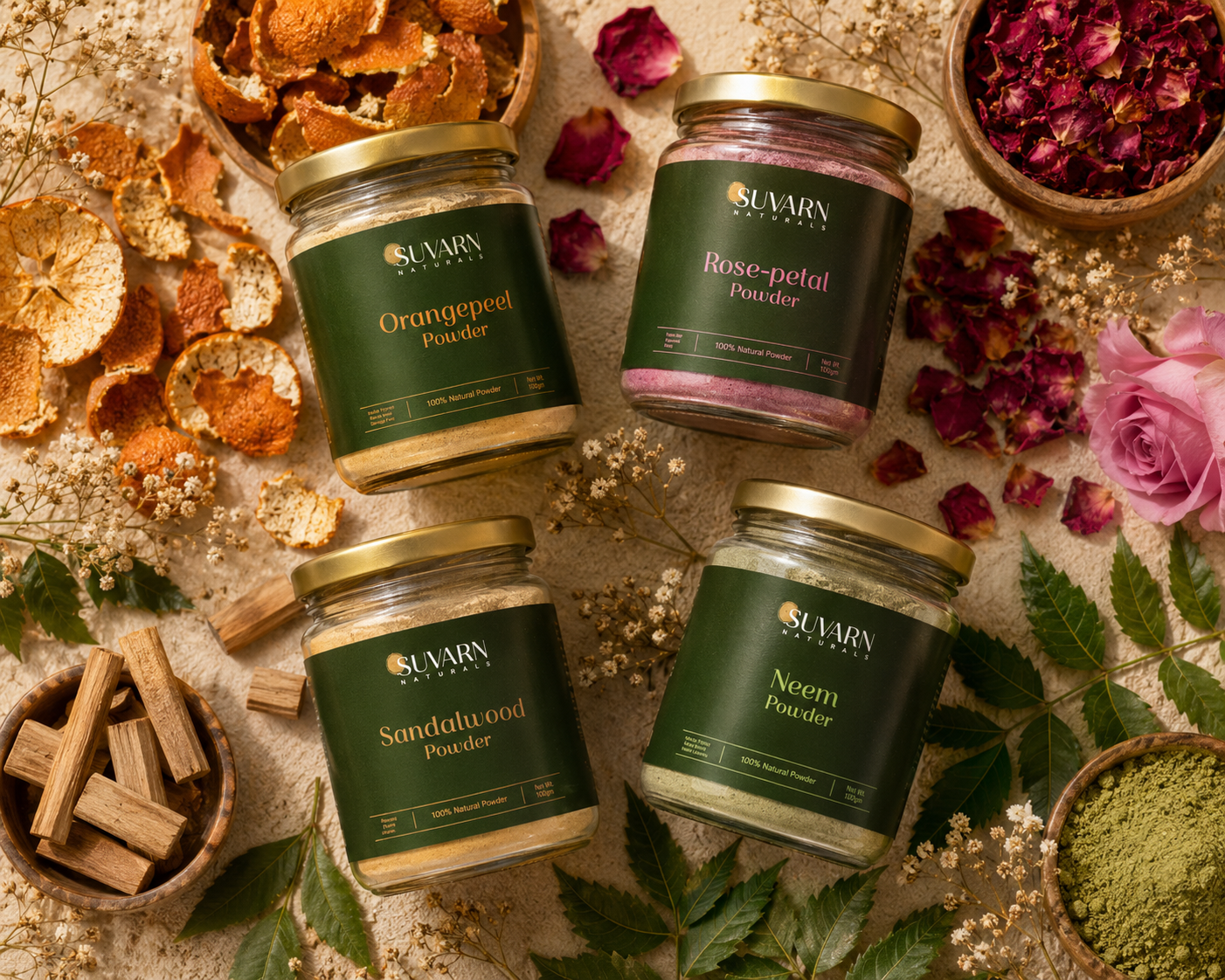
- • This guide covers science, Ayurvedic context, step-by-step rituals, comparisons, and FAQs specific to women’s skin concerns. • Try Suvarn Naturals Orange Peel Powder, Rose Powder, Sandalwood Powder, or Neem Powder — available individually or as a skincare ritual set.
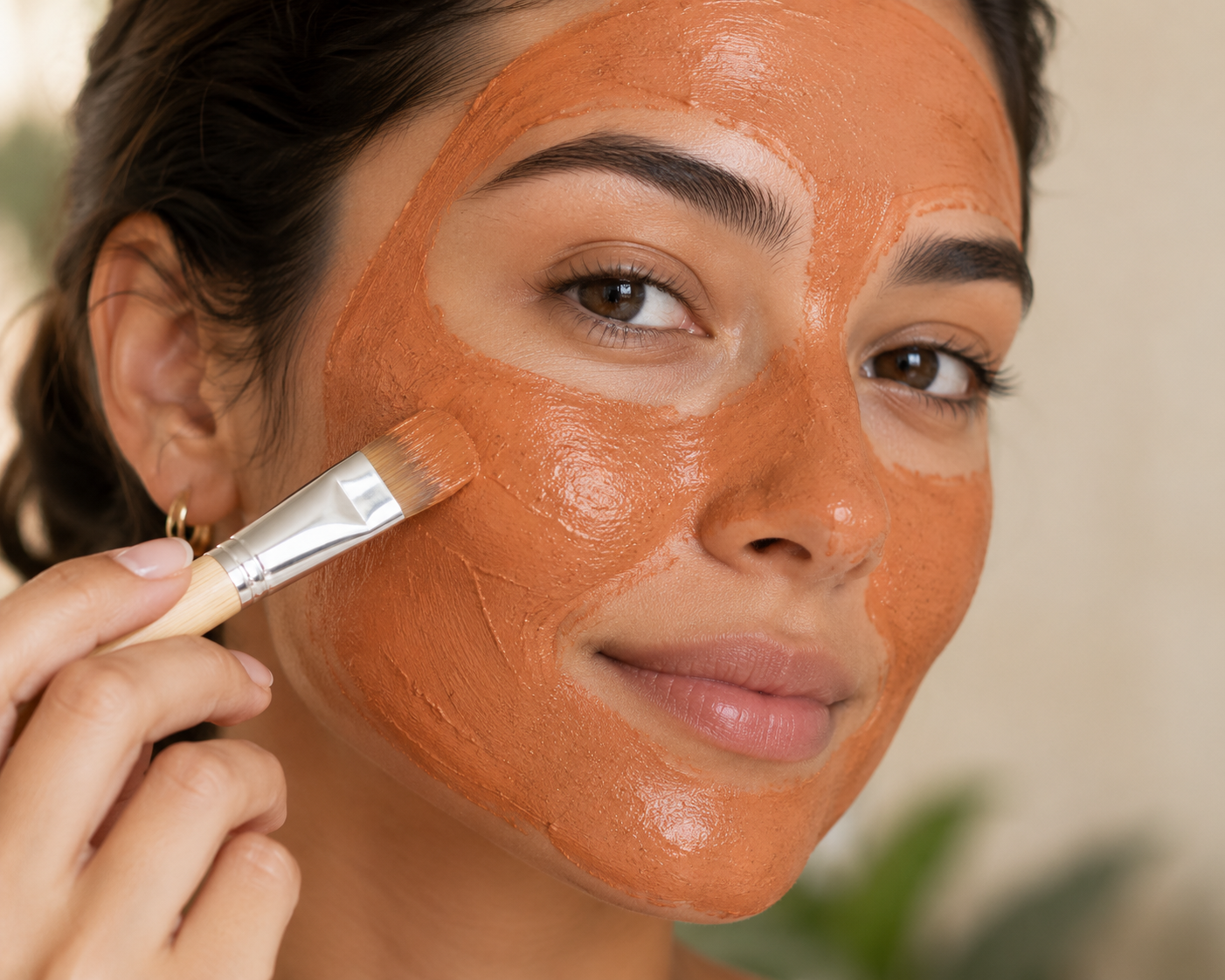
You apply a chemical brightening cream for weeks. The dark spots fade slightly — then come back. Sound familiar? Hormonal shifts, post-inflammatory marks from breakouts, summer tan that just won’t lift — millions of women in India deal with this every day. And more of them are now asking the same question: can the powders sitting in my kitchen actually help? Updated for June 2026, this guide looks at four Ayurvedic heroes — orange peel powder, rose powder, sandalwood powder, and neem powder — and breaks down exactly how each one may support clearer, more even-toned skin. Our founder’s note at the end explains why Suvarn Naturals sources and processes these ingredients the way they do.
What Are These Four Herbal Powders? (And Why Do They Work Together?)
Orange peel powder, rose powder, sandalwood powder, and neem powder are four single-ingredient Ayurvedic botanicals known to address pigmentation through complementary mechanisms — exfoliation, anti-inflammation, melanin regulation, and antimicrobial action. Together, they tackle the three root causes of dark spots: sun damage, hormonal melanin overproduction, and acne-related marks.
Orange Peel Powder (Narangi Chilka)
Botanical name: Citrus sinensis. Sanskrit reference: Narangi. Key actives: Vitamin C (ascorbic acid), citric acid, hesperidin, naringin, limonene, and flavonoids. Vitamin C may inhibit tyrosinase — the enzyme responsible for melanin production — which is why it appears in most evidence-based brightening formulations. The mild citric acid acts as a natural AHA, gently lifting dead, darkened skin cells over time.
Rose Powder (Gulab Pankh Churna)
Botanical name: Rosa damascena. Sanskrit: Shatapatrika. Key actives: Flavonoids, tannins, anthocyanins, gallic acid, and natural astringents. Rose has been used in Ayurvedic skin rituals for centuries for its ability to calm inflamed skin, reduce post-acne redness, and balance excess Pitta. For women experiencing hormonal flushing, rosacea-prone skin, or heat-related pigmentation, rose powder may offer a gentle but effective reset.
Sandalwood Powder (Chandan)
Botanical name: Santalum album. Sanskrit: Chandana. Key actives: Alpha-santalol, beta-santalol, santalene, and santyl acetate. Sandalwood has one of the longest records of use in Indian skincare — referenced in Charaka Samhita for its skin-clearing and complexion-brightening properties. Research suggests alpha-santalol may modulate melanogenesis, while its anti-inflammatory action helps reduce the redness that often accompanies pigmentation.
Neem Powder (Nimba)
Botanical name: Azadirachta indica. Sanskrit: Nimba. Key actives: Nimbin, nimbidol, nimbolide, azadirachtin, and quercetin. Neem’s primary role in a pigmentation routine is preventive. By reducing bacterial colonisation on skin and calming post-inflammatory signals, neem helps prevent the breakouts that leave dark marks behind. For women with PCOS-related acne, this makes neem a particularly relevant addition to a natural skincare routine.
The Science + Ayurvedic Perspective
Pigmentation happens when melanocytes produce excess melanin in response to UV exposure, hormonal fluctuation, or skin trauma. Modern cosmetic science targets this through tyrosinase inhibition, AHA-mediated cell turnover, and antioxidant protection. Ayurveda arrived at similar solutions — through different language. Pitta dosha imbalance, particularly Bhrajaka Pitta (the sub-dosha governing skin complexion), is the classical explanation for hyperpigmentation. Ingredients that cool, calm, and detoxify Pitta are the traditional solution.
A 2023 exploratory study published in the Journal of Food Chemistry and Nanotechnology found that orange peel extracts contain flavonoids, limonoids, and carotenoids that may protect against UV-induced oxidative stress and have the potential to treat hyperpigmentation. A 2025 pharmaceutical sciences paper further characterised orange peel extract serums for their brightening and hydrating effects on skin.
Myth vs Fact
| Myth | Fact |
| Natural powders work immediately | Most herbal powders show visible results after 6–8 weeks of consistent use. Results vary by skin type, severity, and routine. |
| Orange peel is too acidic for daily use | As a dried, diluted powder mixed with a liquid base, orange peel powder is much milder than lemon juice or direct citrus. Patch test first; sensitive skin may prefer 2–3 times weekly. |
| Sandalwood lightens skin colour permanently | Sandalwood may help even out uneven tone and reduce redness. It does not alter your natural melanin production permanently. |
Benefits — Especially for Women
1. May Brighten Uneven Skin Tone
Orange peel powder’s Vitamin C content may inhibit tyrosinase activity, which could help reduce the overproduction of melanin responsible for dark patches. When combined with sandalwood’s alpha-santalol, the duo may support a more even complexion over time.
| Quick tip: Mix 1 tsp orange peel powder + 1/2 tsp sandalwood powder + rose water. Apply for 15 minutes, 3x weekly. This combo is particularly popular in the Suvarn Naturals community. |
2. May Reduce Post-Acne Dark Marks (PIH)
Post-inflammatory hyperpigmentation — the dark marks left after a breakout — is one of the most common skin concerns among women with PCOS. Neem’s antimicrobial compounds may reduce the bacterial activity that triggers breakouts, while orange peel’s AHAs may help turn over darkened skin cells. Research suggests consistent use supports gradual fading of PIH.
| Quick tip: After a breakout heals, apply a thin neem + rose powder paste with aloe vera gel to the affected area. It may help calm post-breakout redness before it sets into a dark mark. |
3. Traditionally Used to Soothe Hormonal Skin Flare-Ups
Rose powder is high in tannins and gallic acid — compounds traditionally used to calm inflamed, reactive skin. For women experiencing skin flushing during PMS, perimenopause, or postpartum hormonal shifts, a rose powder mask may offer a gentle, cooling ritual that helps skin feel more settled.
| Quick tip: Mix rose powder with chilled rose water and apply as a compress (not rubbed in) on reactive, flushed skin. Leave for 10 minutes. |
4. Supports Natural Exfoliation Without Harsh Scrubbing
Citric acid in orange peel powder functions as a mild alpha-hydroxy acid (AHA), encouraging the shedding of dead, discoloured skin cells. Unlike synthetic AHAs in high-concentration form, the natural version in orange peel powder works gently — making it suitable for women who find chemical exfoliants too stripping, particularly during hormonal cycles when skin is more reactive.
| Quick tip: Use orange peel powder as your exfoliant on days you’re skipping your usual scrub. Mix with raw honey for a non-abrasive glow mask. |
5. May Help Protect Against Environmental Oxidative Stress
The flavonoids and carotenoids in orange peel may help neutralise free radicals from pollution and UV exposure — two of the leading external triggers for pigmentation in urban Indian women. Sandalwood’s antioxidant compounds add a second layer of protection.
| Quick tip: Use a sandalwood + orange peel morning mask before going out — rinse fully before applying sunscreen (always apply SPF after any topical treatment). |
Who Should Use These Herbal Powders?
This combination of powders may work particularly well for the following groups:
- Women with PCOS-related acne and post-acne dark spots
- Postpartum women dealing with melasma or hormonal pigmentation
- Women in perimenopause noticing increasing sun spots or uneven tone
- College-age women with oily or combination skin and recurring breakout marks
- Anyone dealing with summer tan or pollution-related dullness
Not Ideal If…
- You have open wounds, active eczema, or severe rosacea
- You are allergic to citrus (patch test orange peel powder first)
- You are looking for overnight results — herbal powders work gradually
- Your pigmentation is deep or has been present for many years (consult a dermatologist)
How to Use These Powders — Step by Step
These powders can be used individually or in combination. Below are three formats that suit different schedules and skin types.
Format 1: Simple Face Pack (15–20 minutes, 3x weekly)
- Choose 1–2 powders based on your concern (orange peel + neem for acne-prone; sandalwood + rose for sensitive)
- Mix 1–2 tsp of powder with rose water, raw milk, aloe vera gel, or plain water to form a paste
- Apply to a clean, damp face — avoid eye area
- Leave for 15–20 minutes (not until completely hard-dry on the skin)
- Rinse with lukewarm water using gentle circular motions
- Follow with your regular moisturiser
Format 2: Overnight Spot Treatment (Targeted Use)
- Mix a small pinch of neem or sandalwood powder with aloe vera gel to a thin consistency
- Apply only to dark spots or post-acne marks — not the entire face
- Leave overnight; rinse in the morning
- Use 3–4 times per week
Format 3: Morning Glow Rinse (Quick Ritual)
- Mix 1/2 tsp orange peel powder in a bowl of lukewarm water
- Use as a final rinse after cleansing — gently splash on face
- Pat dry — do not rub
- Follow immediately with sunscreen (Vitamin C increases photosensitivity slightly)
Dos and Don’ts
| Do | Don’t |
| Always patch test a new powder on your wrist first | Apply to broken, irritated, or sunburned skin |
| Mix with soothing liquids like rose water, milk, or aloe | Use dry powder directly on face without a base |
| Use SPF after any brightening treatment | Skip sunscreen after orange peel masks |
| Be consistent — minimum 6 weeks for visible change | Expect overnight results |
| Store powders in an airtight container away from moisture | Use powders past their shelf life or if they smell rancid |
The 3-Minute Brightening Ritual (Weekend Night Version)
This is a signature 3-step ritual combining all four Suvarn Naturals powders. Weekend evenings are ideal because your skin has two sleep cycles to absorb the benefits — and you’re not rushing to apply SPF immediately after.
What You Need
- 1 tsp Suvarn Naturals Orange Peel Powder
- 1/2 tsp Suvarn Naturals Sandalwood Powder
- 1/2 tsp Suvarn Naturals Rose Powder
- 1/4 tsp Suvarn Naturals Neem Powder
- 2–3 tsp cold rose water (or raw milk for dry skin)
- Optional: a drop of pure honey for extra moisture
Steps
- Cleanse your face with a gentle cleanser. Pat dry.
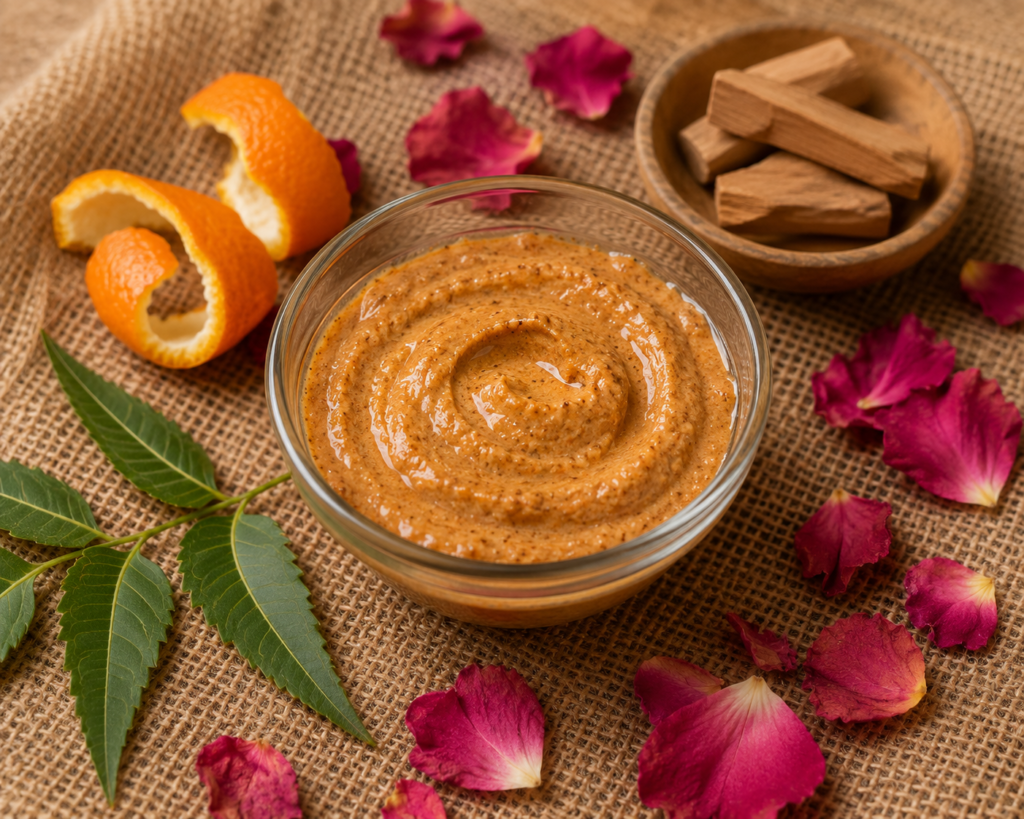
- In a small bowl, combine all four powders. Add rose water gradually, stirring until you reach a smooth, spreadable paste.
- Apply evenly over face and neck. Avoid the under-eye area.
- Leave for 15–20 minutes. You can meditate, stretch, or just breathe — this is your ritual, not a task.
- Rinse with lukewarm water using gentle upward strokes. Pat dry.
- Apply a light, non-comedogenic moisturiser while skin is still slightly damp.
| Pro tip: Mix with our Suvarn Naturals Rose Powder and a drop of honey for an extra moisture boost — especially helpful during winter months or if your skin tends toward dryness. |
Herbal Powders vs Alternatives: Honest Comparison
| Metric | Suvarn Naturals Herbal Powders | Generic Loose Powder | Synthetic Brightening Cream | Chemical Peel (Professional) |
| Ease of Use | Moderate (mix needed) | Moderate | Easy (ready-to-use) | Low (clinic visit) |
| Time to Visible Results | 6–8 weeks | 6–8 weeks | 4–6 weeks | 1–2 sessions |
| Skin Type Suitability | All (patch test) | All (less tested) | Often targeted | Not for sensitive skin |
| PCOS-Friendly | Yes — gentle, hormone-safe | Depends on additives | Check ingredients | Not recommended |
| Approximate Cost | Accessible; ₹200–400/month | Low but variable quality | Moderate–High (₹500–2000+) | High (₹2000–5000/session) |
Note: Results vary significantly by individual skin type, consistency of use, and combination with SPF. None of the above options guarantee results.
Side Effects and Precautions
Natural does not automatically mean risk-free. Here is what you should know before starting a herbal powder skincare routine.
- Citrus sensitivity: Some women react to orange peel powder. Always patch test on your inner wrist 24 hours before facial use.
- Photosensitivity: Vitamin C and citric acid may make your skin slightly more sensitive to UV. Always apply SPF 30+ after any orange peel treatment.
- Pregnancy and breastfeeding: Topical use of these four powders is generally considered low-risk, but consult your gynaecologist before adding any new topical product during pregnancy.
- Drug interactions: No known significant topical drug interactions, but if you are on prescription skin treatments (tretinoin, hydroquinone), consult your dermatologist before combining with herbal powders.
- Neem in large quantities: Neem is potent. For face use, keep concentrations low (1/4 tsp or less mixed into a formula) and limit use to 3–4 times weekly.
| When to see a doctor: If your pigmentation is spreading rapidly, is accompanied by scaling or pain, or has not responded to any topical routine in 3+ months, consult a dermatologist. Certain conditions like melasma or post-inflammatory hyperpigmentation may require clinical treatment. |
Myths and Mistakes Women Make With Herbal Skin Powders
Myth 1: ‘More powder = faster results’
Thicker isn’t better. A thick layer that dries completely hard on the skin can actually pull and irritate it when you remove it. Keep the paste consistency smooth and even — like a face yogurt, not cement.
Myth 2: ‘I can skip sunscreen if I’m using natural ingredients’
This is the single biggest mistake women make. Brightening ingredients — natural or synthetic — work by influencing the skin’s melanin response. Without SPF protecting you from UV, you’re removing pigmentation during the mask and triggering more of it the moment you step outside. SPF is non-negotiable.
Myth 3: ‘Sandalwood powder will make my skin lighter’
Sandalwood may help even out uneven tone, reduce redness, and calm post-breakout marks. It does not permanently alter your skin’s natural melanin level or your genetic skin colour. Be wary of any product making that claim.
Myth 4: ‘Orange peel powder is the same as lemon juice’
Both contain Vitamin C and mild acids, but orange peel powder in dried, diluted form is significantly gentler than direct citrus juice. Lemon juice can cause irritation and photosensitivity at full strength. Orange peel powder in a face pack is mixed, diluted, and applied briefly — a very different level of acid exposure.
Myth 5: ‘If I don’t see results in 2 weeks, it’s not working’
Skin cell turnover takes approximately 28 days in young adults and longer as we age. A herbal powder working on melanin and cell turnover needs at minimum 6 weeks of consistent use to show results. Most women who see genuine improvement report being at the 8–12 week mark.
Notes from the Suvarn Naturals Founder
| “Traditional skincare has always fascinated us because many ingredients were chosen for their simplicity rather than complexity. Orange peel, rose, sandalwood, and neem have been part of beauty rituals for generations. At Suvarn Naturals, we aim to make these time-tested ingredients accessible for modern skincare routines. When we first formulated our orange peel powder, what struck us most was the texture after drying — when done correctly, it should have a very fine, almost silky feel, with a warm citrus scent that tells you the essential oils are still intact. We test each batch for this. A powder that smells flat or musty has lost much of what makes it effective. Our sandalwood is sourced from Karnataka; our rose from Rajasthan; our neem from Central India. Each herb is processed gently low-temperature drying to preserve active compounds — and milled to a consistency that blends without clumping. We don’t add fillers, colourants, or artificial fragrance. — Suvarn Naturals Team |
Frequently Asked Questions
Q1. Can I use orange peel powder daily on my face?
Daily use is generally not recommended. Orange peel powder contains citric acid (a mild AHA), and over-exfoliating can thin the skin barrier over time. Most skin types respond best to 3–4 applications per week. Those with sensitive skin should start at 2x weekly and monitor for redness.
Q2. I have PCOS and hormonal breakouts. Which of these powders should I start with?
Start with neem powder — its antimicrobial and anti-inflammatory properties may help reduce the bacterial component of PCOS-related breakouts. Once skin settles, introduce rose powder for redness, then orange peel for brightening post-acne marks. Add sandalwood last for overall tone-evening.
Q3. Can I use these powders during my period when my skin is more reactive?
Yes, but scale back the exfoliating ingredients during your cycle. Stick to rose powder or sandalwood only during the 3–4 days of heightened skin sensitivity. Resume the full combination after your period ends.
Q4. Can men use these face packs?
Absolutely. Pigmentation, dark spots, and post-shave marks affect men equally. The powders work the same way on male skin. The only adjustment: men with very oily or thick skin may benefit from leaving the pack on for up to 20 minutes (vs. 15 for drier skin types).
Q5. How long before I see a difference in my dark spots?
Most users report visible lightening of mild dark spots between 6–8 weeks of consistent 3x weekly use. Deeper marks (post-acne PIH, melasma) may take 10–12 weeks. Results are gradual — take weekly photos in the same lighting to track progress.
Q6. Can I mix all four powders together in one pack?
Yes — that’s exactly what the 3-Minute Brightening Ritual above does. Each powder targets a different mechanism, so they are complementary, not redundant. Start with small quantities of each and increase once you know your skin tolerates the combination.
Q7. Should I refrigerate the powder packs?
Store the dry powders in an airtight container at room temperature, away from moisture and direct sunlight. Do not refrigerate the dry powder (humidity changes can affect the texture). If you pre-mix a paste, store in the refrigerator and use within 2–3 days.
Q8. Can I use these powders on my neck and chest for pigmentation?
Yes. The skin on the neck and chest is slightly thinner and more sensitive than the face. Use the same mixture but leave it on for only 10–12 minutes (not the full 15–20). Always apply sunscreen to the neck and chest when using brightening treatments.
Q9. Is it safe to use these powders postpartum while breastfeeding?
Topical application of these four powders in standard face-pack quantities is generally considered safe during breastfeeding — the systemic absorption through skin is minimal. However, always check with your gynaecologist or lactation consultant before introducing any new skincare product postpartum.
Q10. What should I mix with the powders for dry vs oily skin?
For dry skin: mix with raw milk, aloe vera gel, or honey. These add moisture and reduce any drying effect from citric acid. For oily skin: mix with rose water, plain water, or diluted yogurt. Avoid oils as a base if you are acne-prone.
Final Takeaway
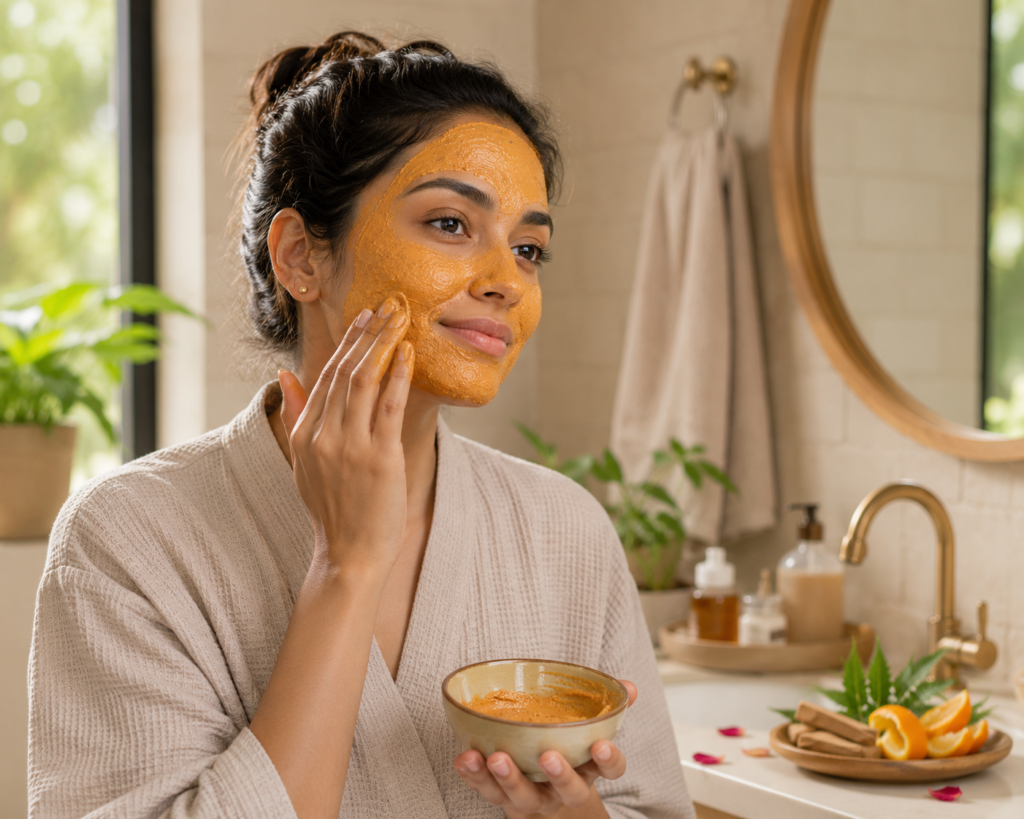
Pigmentation and dark spots are among the most common skin concerns Indian women face — driven by sun, hormones, breakouts, and stress. Orange peel powder, rose powder, sandalwood powder, and neem powder offer a layered, complementary approach to addressing each of these causes gently and consistently. None of these are quick fixes, but that’s exactly the point — they work with your skin, not against it.
Start with one powder. Build your ritual. Be patient with your skin. And remember — every ingredient that’s stood the test of thousands of years has earned its place on your shelf.
| Ready to begin? Explore Suvarn Naturals Orange Peel Powder, Rose Powder, Sandalwood Powder, and Neem Powder individually or as a complete brightening ritual set at suvarnnaturals.com/shop/ |